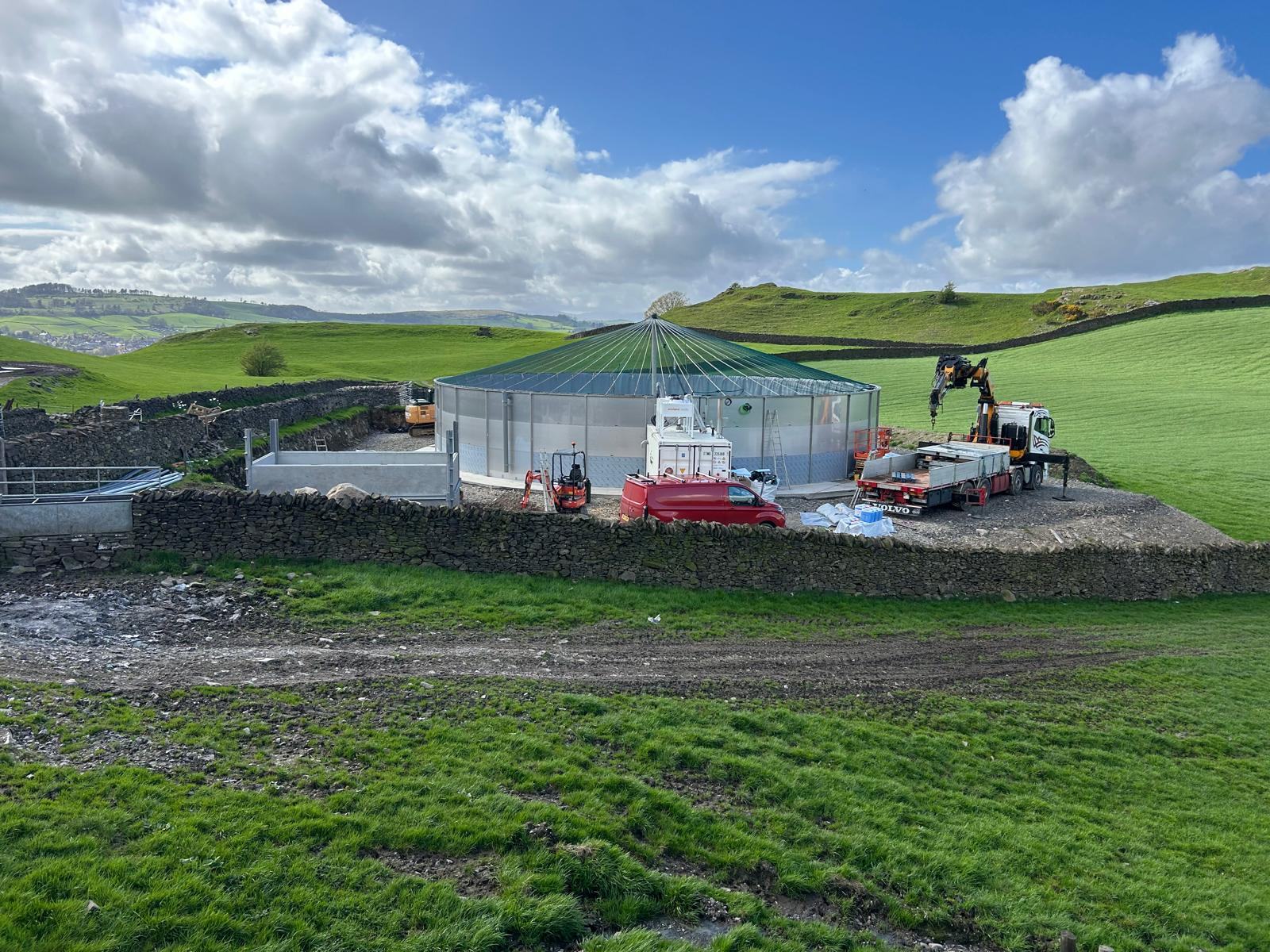
Getting Started
What Is Anaerobic Digestion?
The basics of farm-scale anaerobic digestion — what goes in, what comes out, and the infrastructure a working plant actually needs.
10 min readRead Guide

Knowledge Library
Plain-English guides to farm-scale anaerobic digestion — what it involves, what it costs, and what a real installation looks like — written for farmers weighing it up, not engineers.
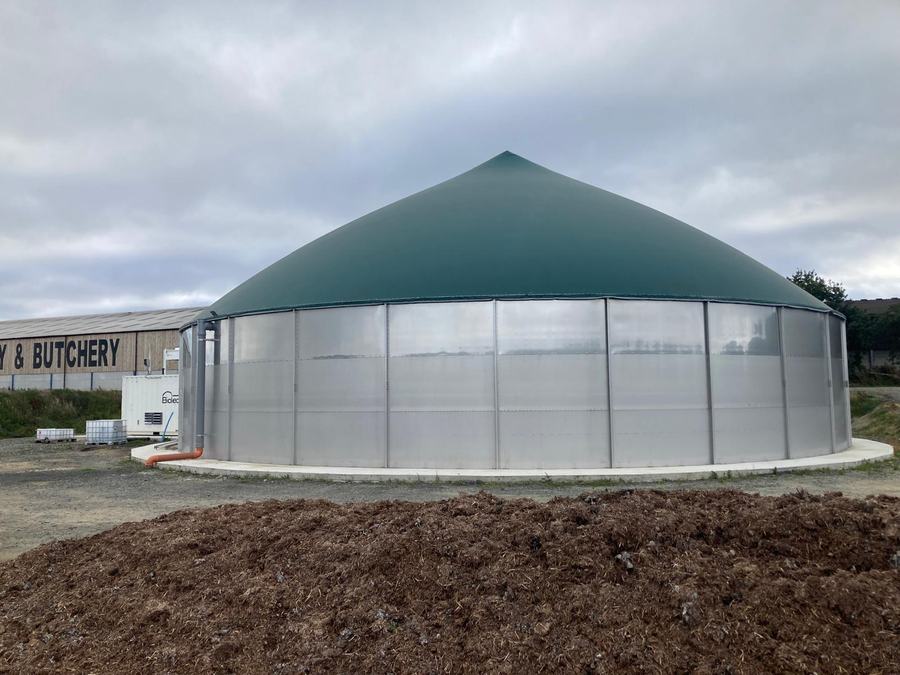
Is AD Worth It for a Dairy Farm?
AD can make sense for dairy farms with reliable slurry, sustained energy demand and a suitable site — but there's no universal return. Here's what actually drives it.
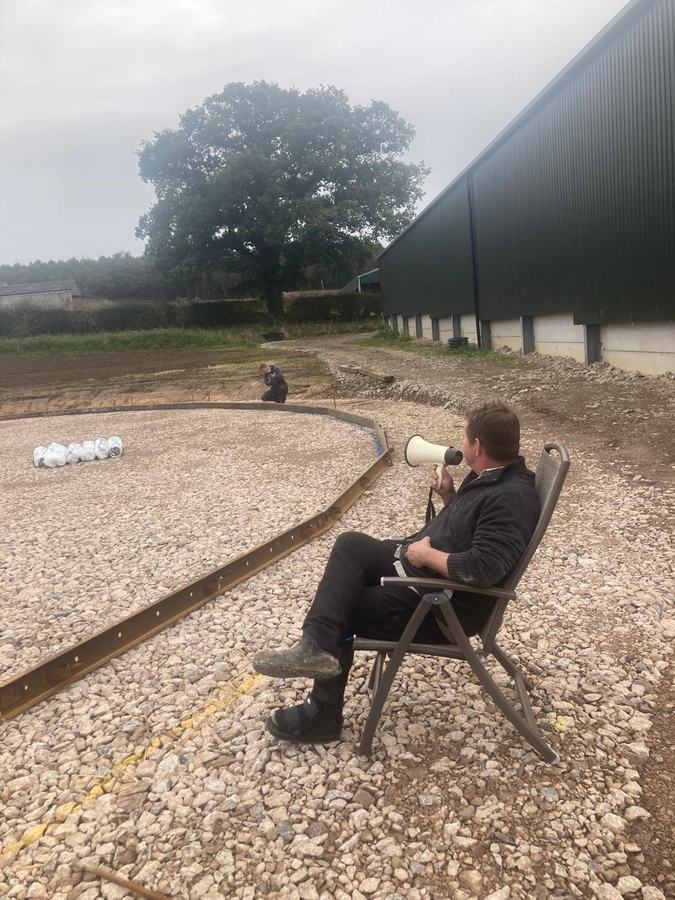
How Many Cows Do You Need?
Herd size is only a starting point. What matters more is how much slurry can actually be collected, how consistently, and the farm's energy demand.
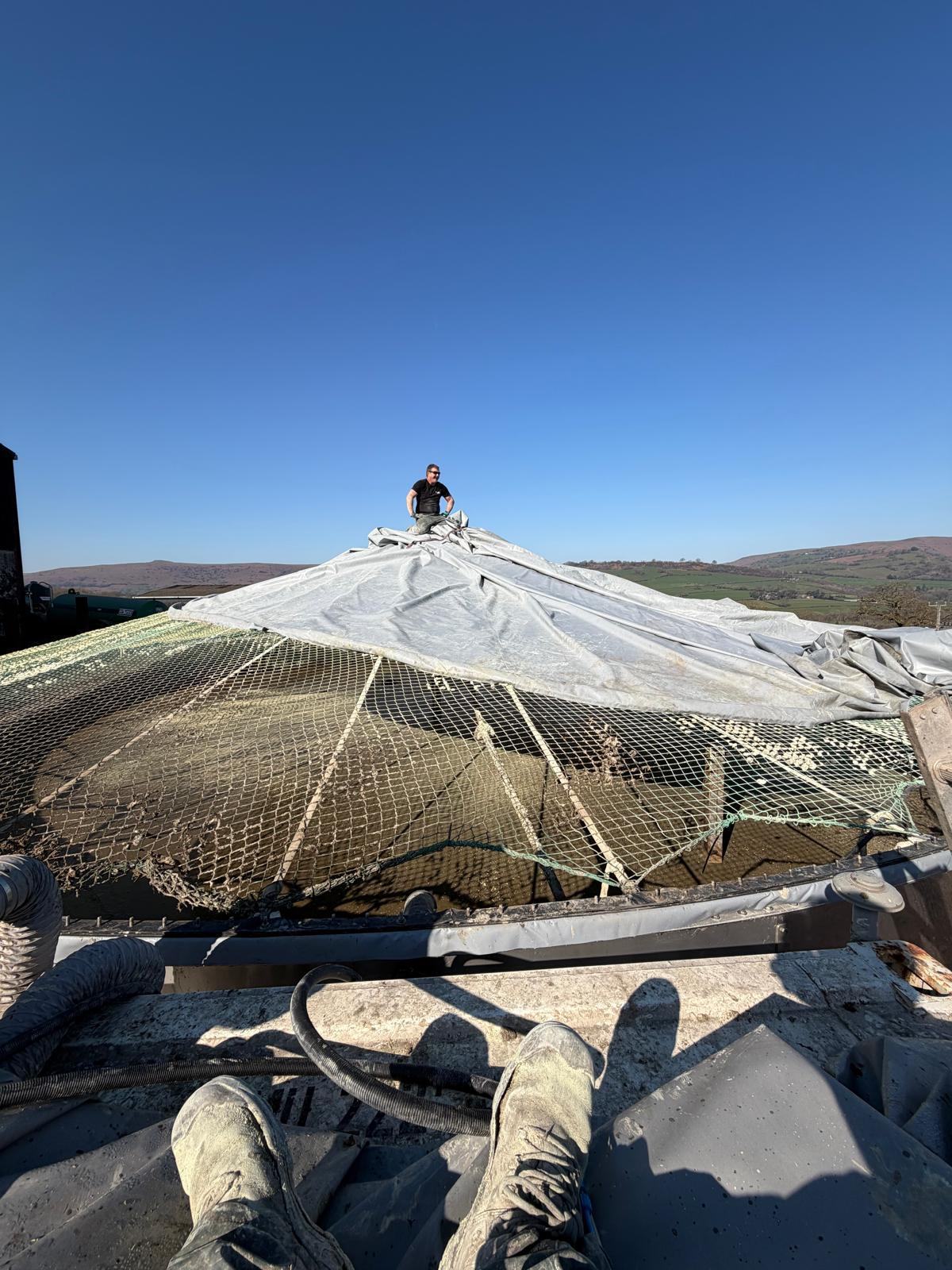
Can AD Run on Slurry Alone?
Yes — slurry-only AD is already operating on UK dairy farms. Here's what affects gas production, how slurry actually moves through the system, and what it needs to work well.
AD for Dairy Farms: Full Guide
A practical overview of dairy farm anaerobic digestion in the UK — slurry, plant size, electricity, digestate, costs, installation and farm suitability in one place.
What Can Go Into a Digester?
Slurry, manure and suitable plant material are the common farm feedstocks — but what a specific plant can accept depends on its design and the regulatory regime.
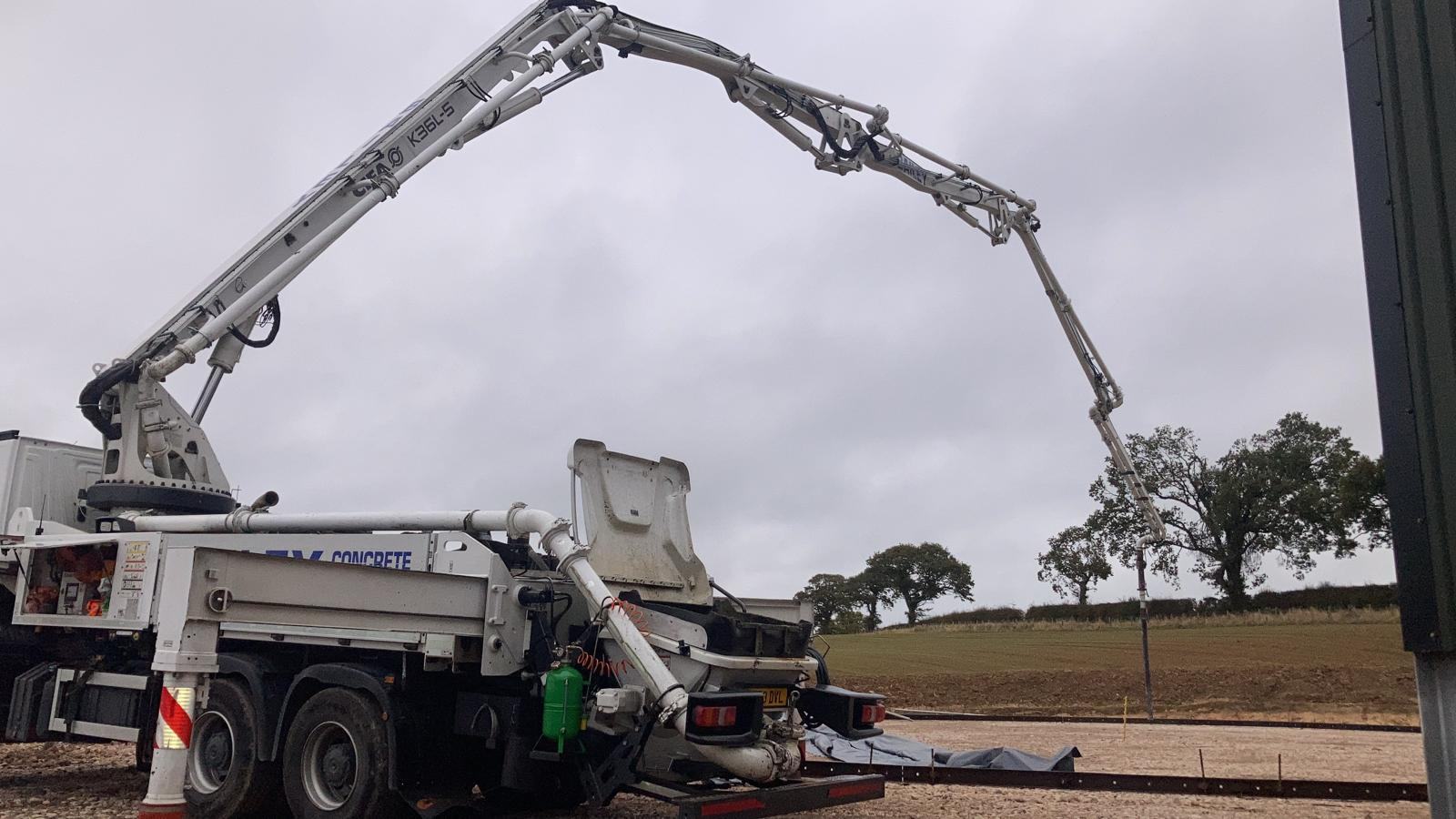
Slurry vs Manure vs Crops
Slurry, manure and crops all work as AD feedstock, but behave very differently in the digester and change what equipment and handling a plant needs.
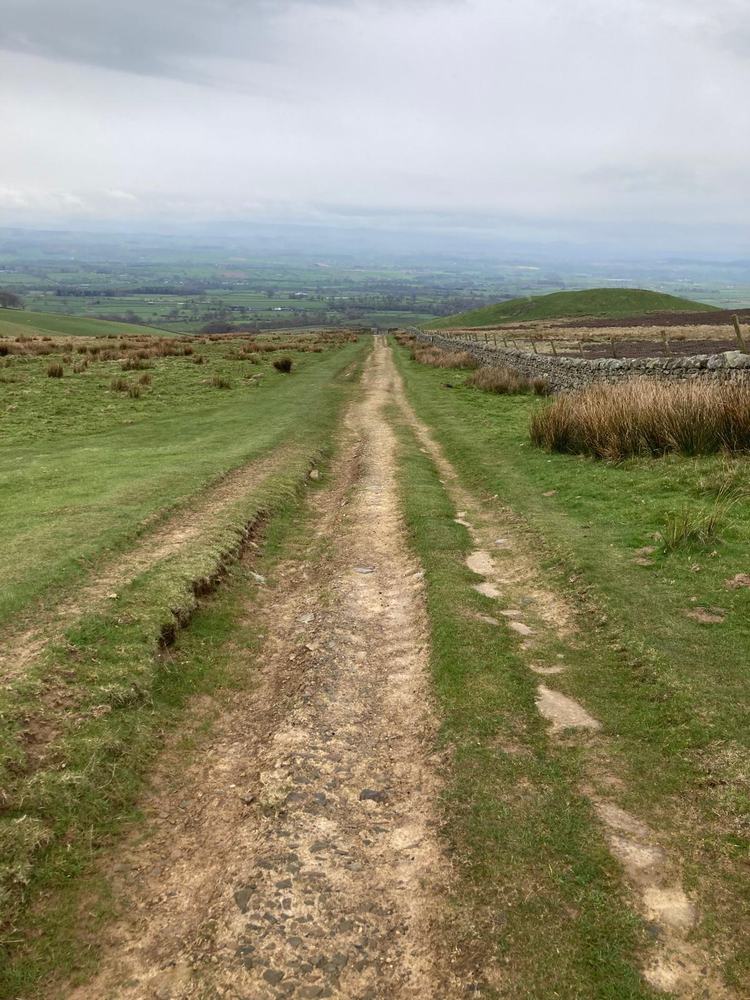
How Much Slurry Does a Cow Produce?
Generic litres-per-cow figures are a rough guide at best — wash water, housing and dilution change the picture. Here's what actually matters for AD sizing.
What Happens to Slurry in AD?
Follow cattle slurry from the yard through the digester to biogas and digestate, and see where odour actually changes along the way.
Does AD Reduce Slurry Smell?
Digestion changes slurry's chemistry in ways that can reduce its odour, but that's a different question from whether an AD site itself smells — see both.
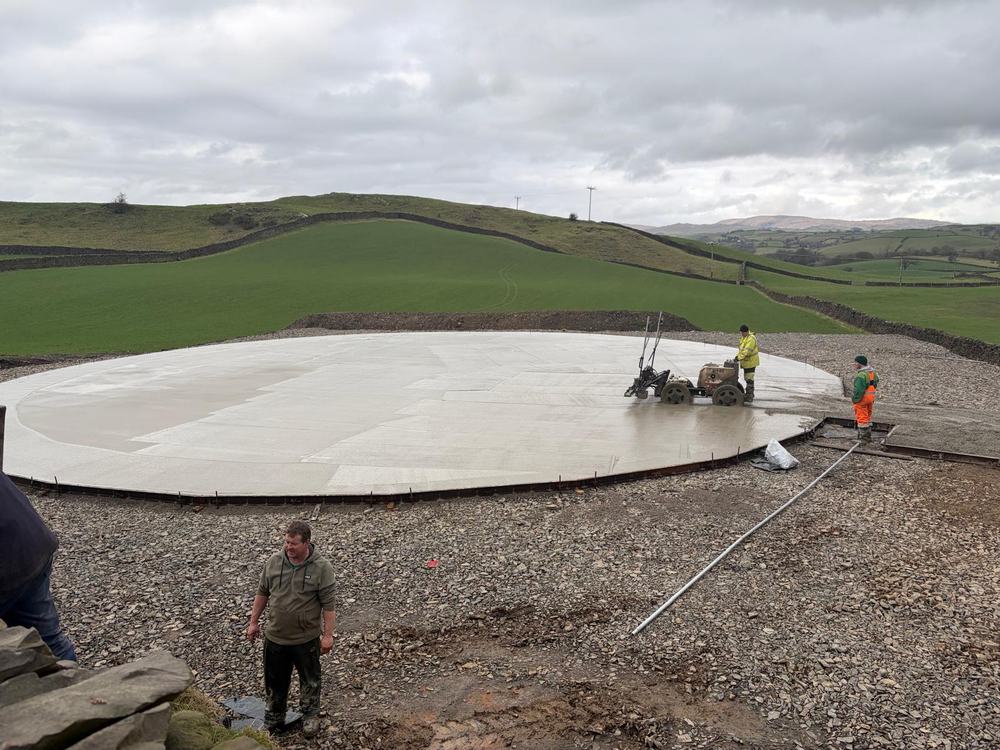
Do You Still Need Slurry Storage?
Yes — AD changes the material but doesn't remove the need for storage, before digestion, after it, or both, depending on the system and farm.
AD Plant Cost in the UK
There's no single reliable price for a farm AD plant — total project cost depends on the plant plus civils, infrastructure, installation and site-specific requirements.
Is My Farm Suitable?
Ten practical questions covering slurry, energy, site and storage — a starting checklist for assessing whether AD could genuinely work on your farm.
AD: Advantages & Disadvantages
AD can turn slurry into energy and retain its nutrients as digestate — but it needs real capital, space, feedstock and ongoing maintenance. Here's the honest balance.
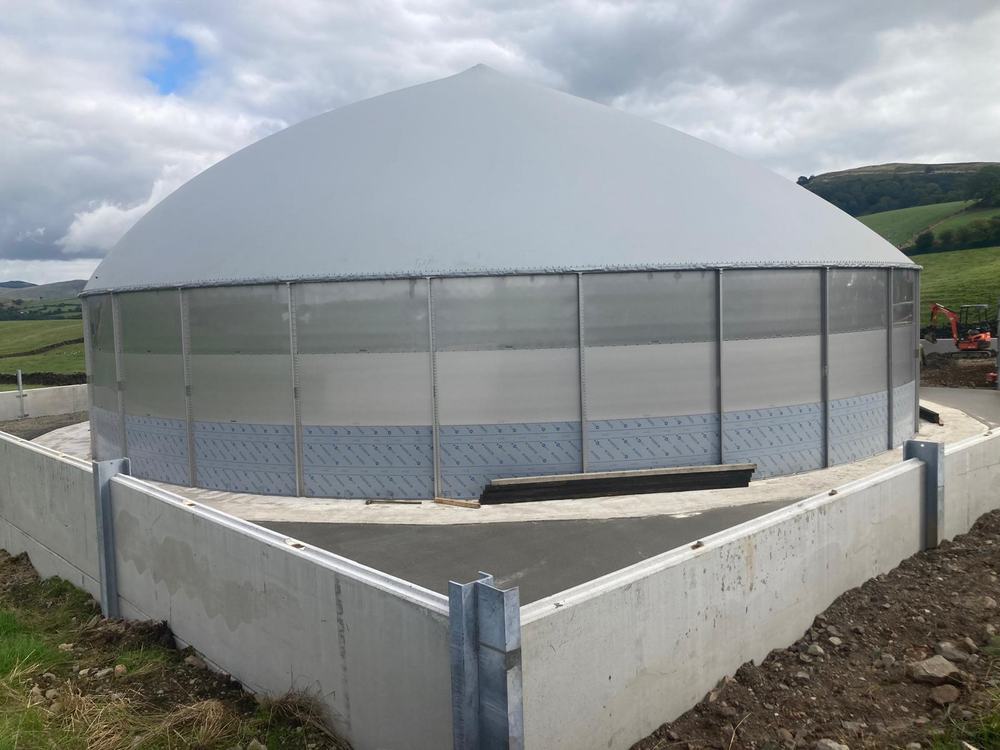
What Size Digester Do I Need?
Digester size can't be calculated from cow numbers alone — it depends on feedstock volume, dry matter, retention time and the farm's actual energy demand.
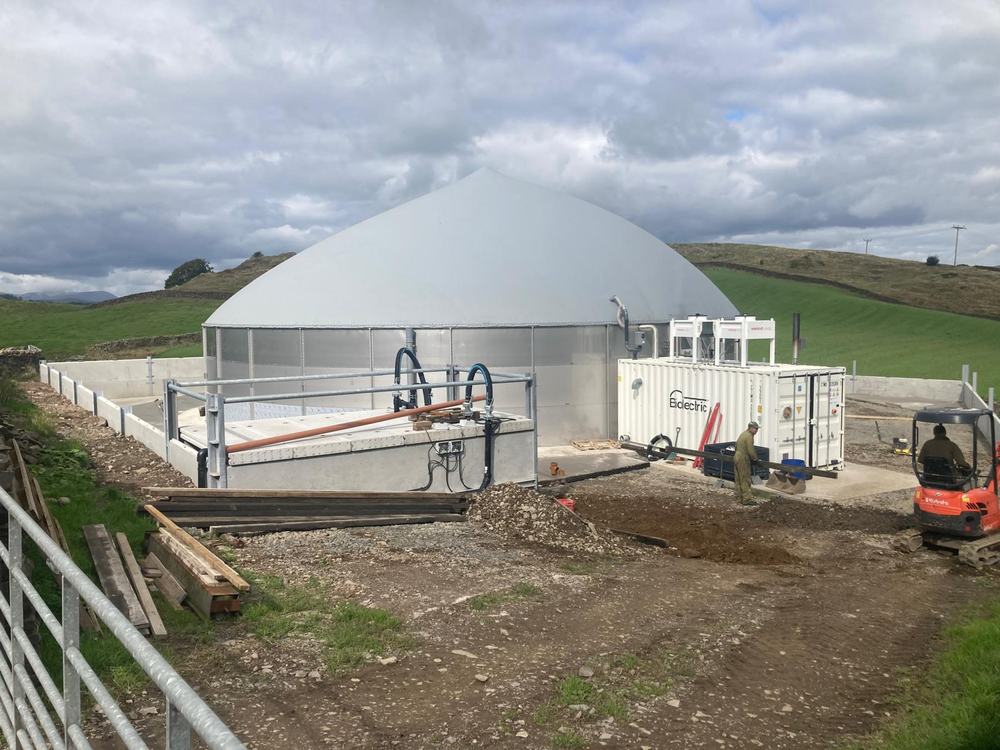
Does Small-Scale AD Work?
Compact, slurry-fed AD systems are already running on UK dairy farms — real examples from 22kW upward show it doesn't require an industrial-scale facility.
AD Pumps & Mixers
Pumps and mixers keep an AD plant's biology and material transfer working — selecting and installing them around the actual duty matters as much as choosing the digester.
AD Pipework
The shortest pipe route isn't always the best one. Route, bends, valves and future maintenance access all shape what a real AD pipework design looks like.
What Does AD Installation Involve?
Installing an AD plant involves far more than delivering the digester — from site assessment and agreed scope through groundworks, connections, testing and commissioning.
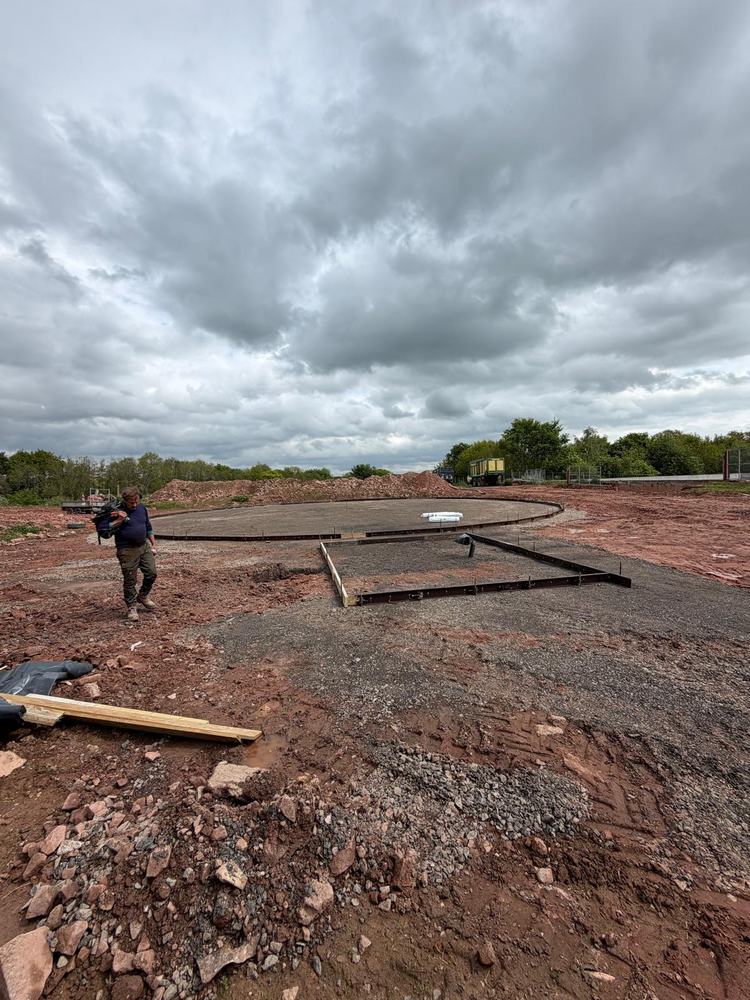
How Long Does AD Installation Take?
Plant erection and total project duration aren't the same thing. Here's the general sequence a farm AD build moves through, and what actually drives the timeline.
What Groundworks Does AD Need?
Almost everything else in an AD installation depends on the groundworks being right — levels, foundations, drainage, service routes and future maintenance access.
How Much Space Does AD Need?
There's no universal footprint — the digester itself is only part of the space needed once tanks, CHP, access and maintenance room are all accounted for.
What Happens in an AD Site Survey?
A proper site survey looks past the farm plan — slopes, buried services, existing concrete and livestock movements all shape a workable AD layout.
Preparing a Farm for AD
From confirming scope through to a pre-delivery readiness check — the enabling works a farm needs completed before AD equipment can go in.
Concrete for AD Plants
Concrete bases, tanks and equipment pads for an AD plant need project-specific design — loads, ground conditions and levels vary too much for a generic spec.
Why AD Site Layout Matters
Where the plant sits affects pumping, pipework, electrical connections, access and future farm development — for years, not just on installation day.
Retrofitting AD Onto a Dairy Farm
Adding AD to a working dairy farm is possible, but the plant has to integrate with slurry collection, tanks, buildings, roads and daily operation as they already exist.
Common AD Installation Problems
Most installation delays trace back to something outside the digester itself — late decisions, incomplete groundworks or an unclear division of responsibility.
AD Installation Readiness Checklist
A practical, section-by-section checklist covering scope, site, concrete, slurry, pipework, electrical, equipment, logistics and outstanding decisions.
How Much Electricity Does AD Generate?
Output depends on feedstock, methane content, CHP efficiency and how the plant is run — not a fixed per-cow figure. Here's what actually determines it.
Can AD Reduce Electricity Bills?
Real UK case studies report substantial bill reductions — but the saving depends on generation, self-consumption, tariffs and plant availability, not a fixed figure.
AD vs Solar for Dairy Farms
Solar depends on daylight; AD can generate continuously. For many dairy farms with round-the-clock demand, the two technologies end up complementing each other.
What Is Digestate?
Digestate is what's left after slurry passes through a digester — still nutrient-rich, still needing storage, and usable as fertiliser where the rules are met.
Is Digestate Better Than Slurry?
Digestate isn't simply superior to slurry across the board — digestion changes the material in specific ways, and its value depends on what a farm needs from it.
Digestate's Fertiliser Value
Digestate contains useful nitrogen, phosphorus and potassium, but its real value depends on testing, timing and what it actually displaces — not a fixed £/m³ figure.
Can You Spread Digestate on Farmland?
Yes, where the relevant requirements are met — but the position depends on feedstock, waste status and jurisdiction, and England and Scotland aren't the same.
Nitrogen in Slurry During AD
AD doesn't remove most of slurry's nitrogen — it converts some of it into a form crops can use more readily, which changes how it needs to be managed.
Does AD Smell?
AD can substantially reduce slurry odour, but a farm AD site isn't odour-free — feedstock handling, storage and transfers all still need managing.
Is AD Safe?
AD is an established technology, but it involves genuine hazards — flammable biogas, machinery, confined spaces and electrical systems all need proper management.
AD Planning Permission
Often yes, sometimes not — the position depends on the development, scale, site and jurisdiction. Establishing the planning route early matters more than guessing.