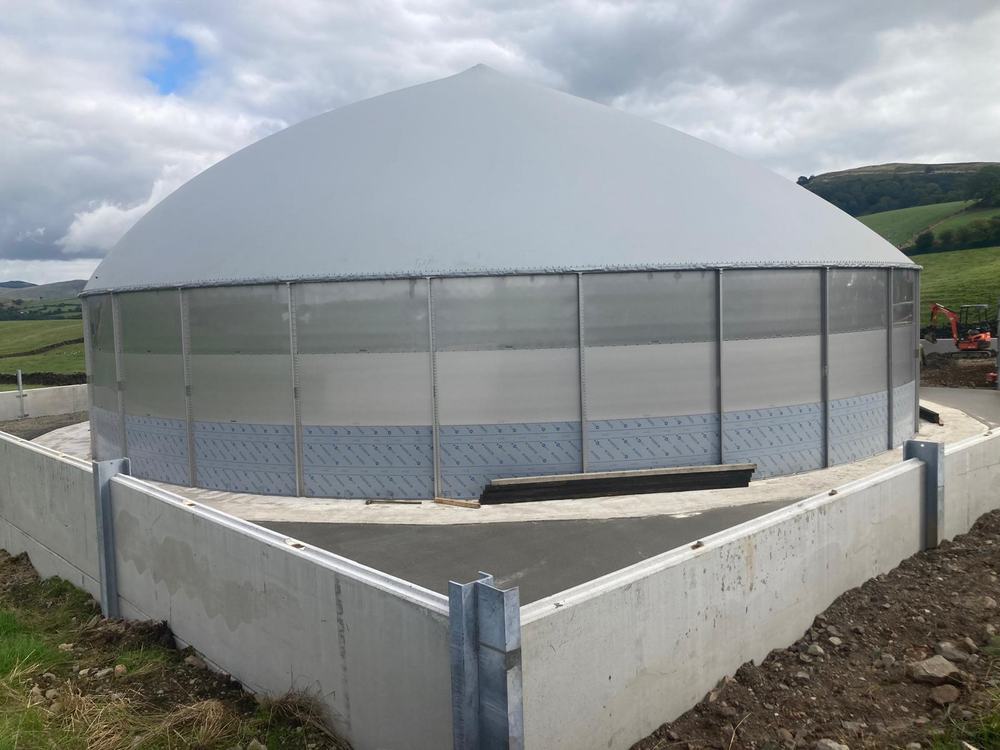
Equipment
What Size Digester Do I Need?
Digester size can't be calculated from cow numbers alone — it depends on feedstock volume, dry matter, retention time and the farm's actual energy demand.
9 min readRead Guide

Small-scale AD isn't a compromise version of a 'real' AD plant — it's a genuine, established category, and real UK farms are already running it.
6 min read · Reviewed September 2026
Quick Answer
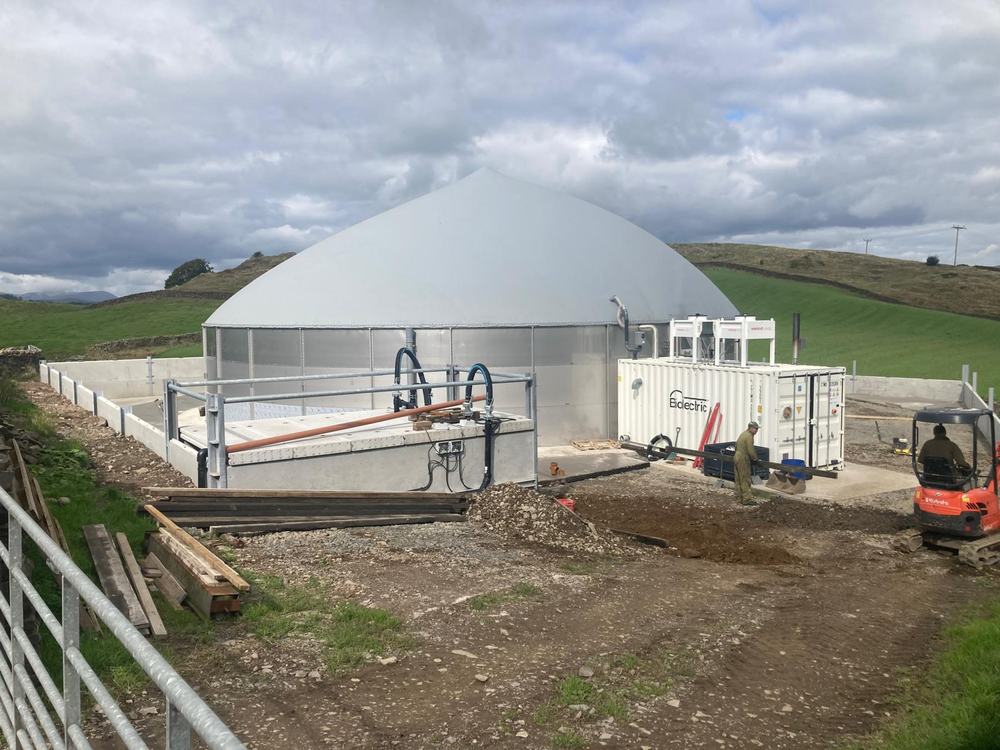
Yes. Small-scale AD systems can be designed around individual farms and, in particular, dairy slurry. Rather than importing large quantities of feedstock, some systems use slurry already produced by the herd to generate electricity and heat for use on site.
Key Points
There's no single universal definition. In the farm context, the term is often used to distinguish compact farm systems — focused on one dairy unit, its own slurry, and on-site electricity use — from large commercial AD facilities handling very large quantities of crops, wastes or imported feedstocks.
Yes. Askham Bryan College's teaching dairy farm runs a 22kW slurry-fed Biolectric plant (the 'Electric Cow' project) serving its roughly 180-cow herd. Alderstone Mains Farm in southeast Scotland uses a similarly compact Biolectric system alongside six robotic milkers, chosen specifically because the robots' continuous power draw suits steady AD generation. These examples show AD doesn't necessarily mean a very large crop-fed industrial facility.
Small-scale slurry AD can use a material already produced on the farm, generate electricity close to where it's consumed, provide relatively consistent generation, retain digestate for agricultural use, and reduce dependence on purchased energy.
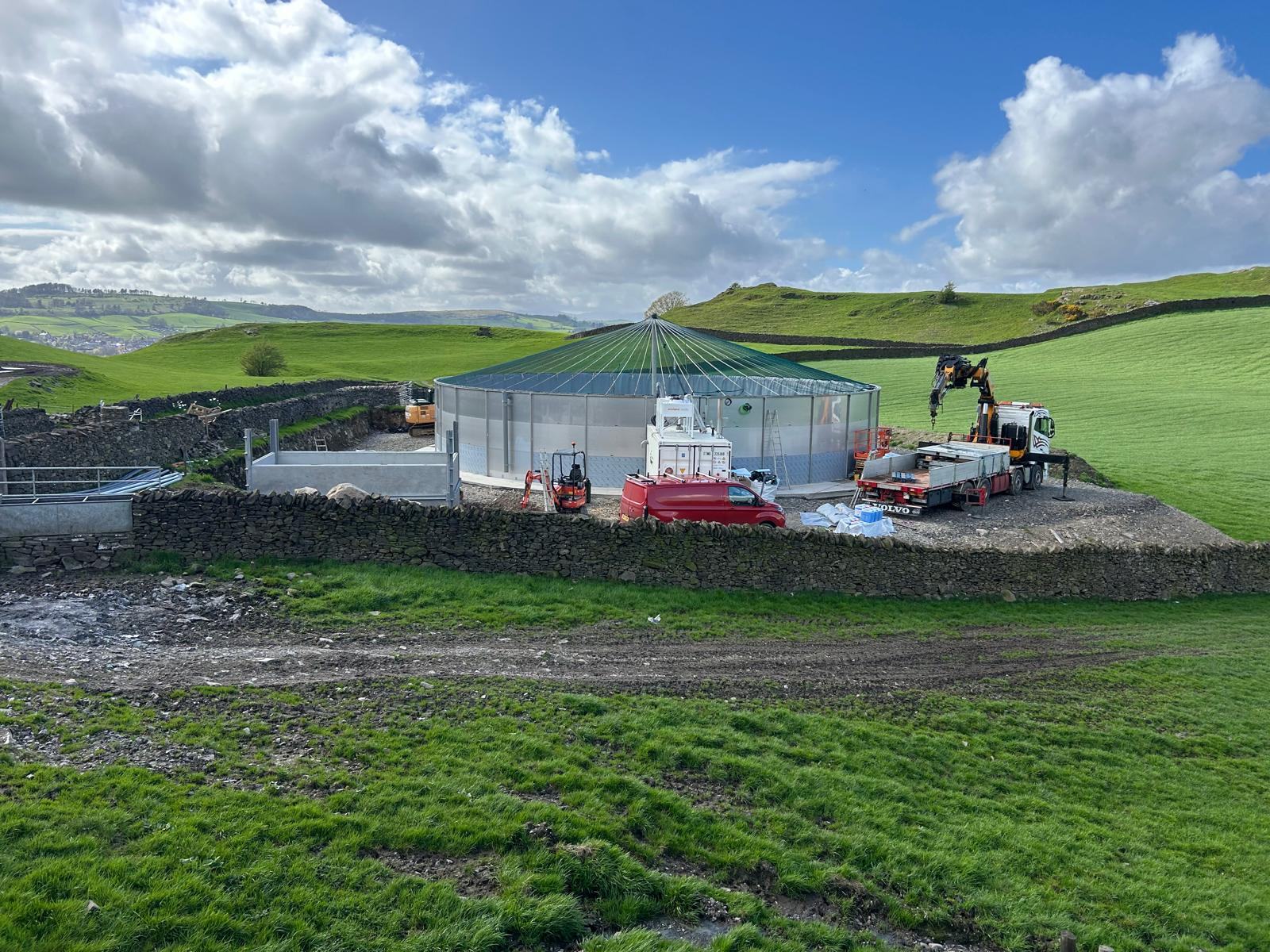
It still requires investment, suitable slurry, space, construction, servicing, digestate management, and planning and regulatory consideration. 'Small scale' shouldn't be interpreted as 'no infrastructure required' — the groundworks and supporting equipment are still a real project.
Sources
What Size Digester Do I Need?
Digester size can't be calculated from cow numbers alone — it depends on feedstock volume, dry matter, retention time and the farm's actual energy demand.
How Many Cows Do You Need?
Herd size is only a starting point. What matters more is how much slurry can actually be collected, how consistently, and the farm's energy demand.
AD for Dairy Farms: Full Guide
A practical overview of dairy farm anaerobic digestion in the UK — slurry, plant size, electricity, digestate, costs, installation and farm suitability in one place.
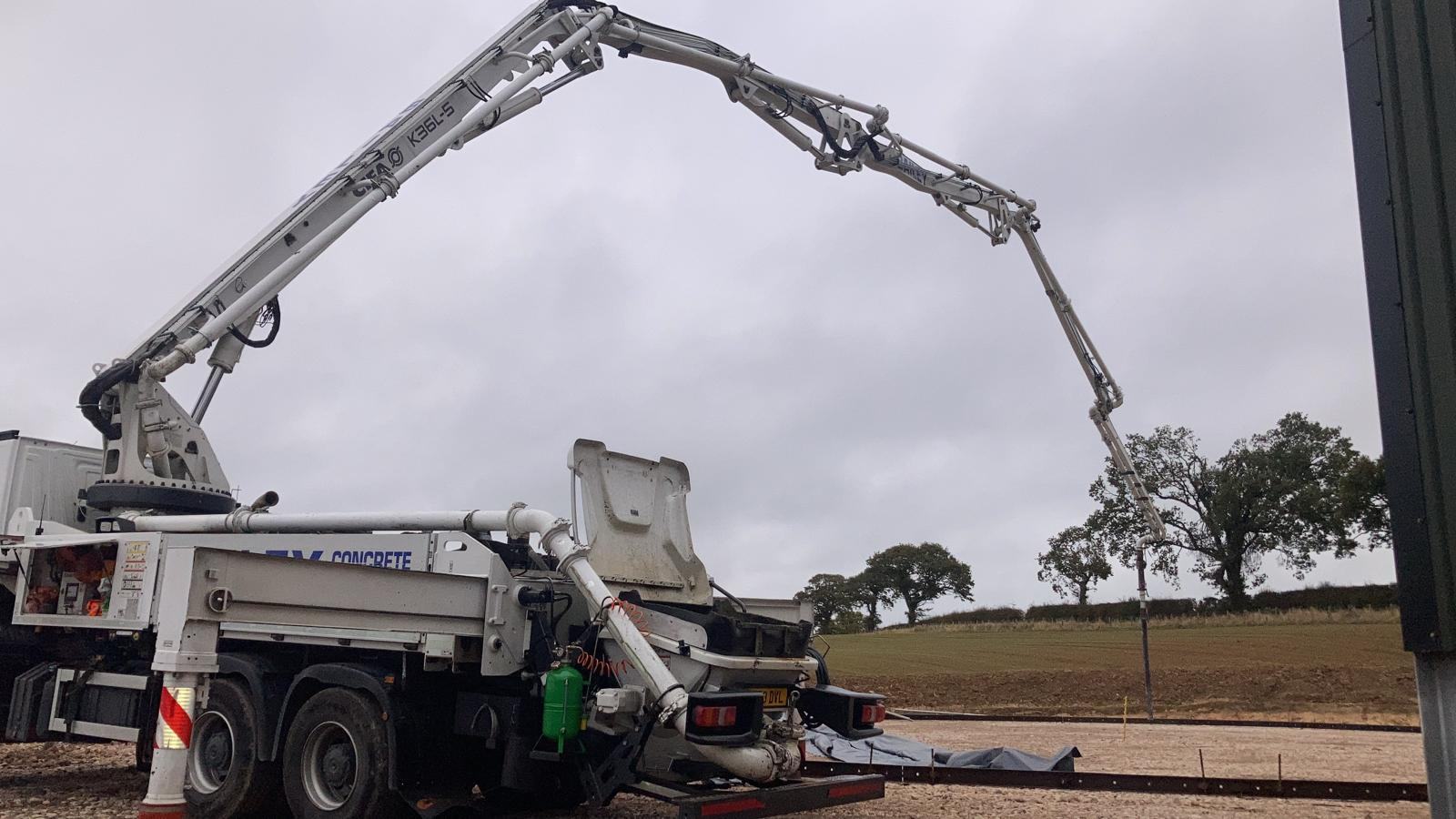
AD Plant Cost in the UK
There's no single reliable price for a farm AD plant — total project cost depends on the plant plus civils, infrastructure, installation and site-specific requirements.
Charlie Bell Building supports farm-scale anaerobic digestion installations from site preparation and groundworks through to equipment installation and commissioning support.