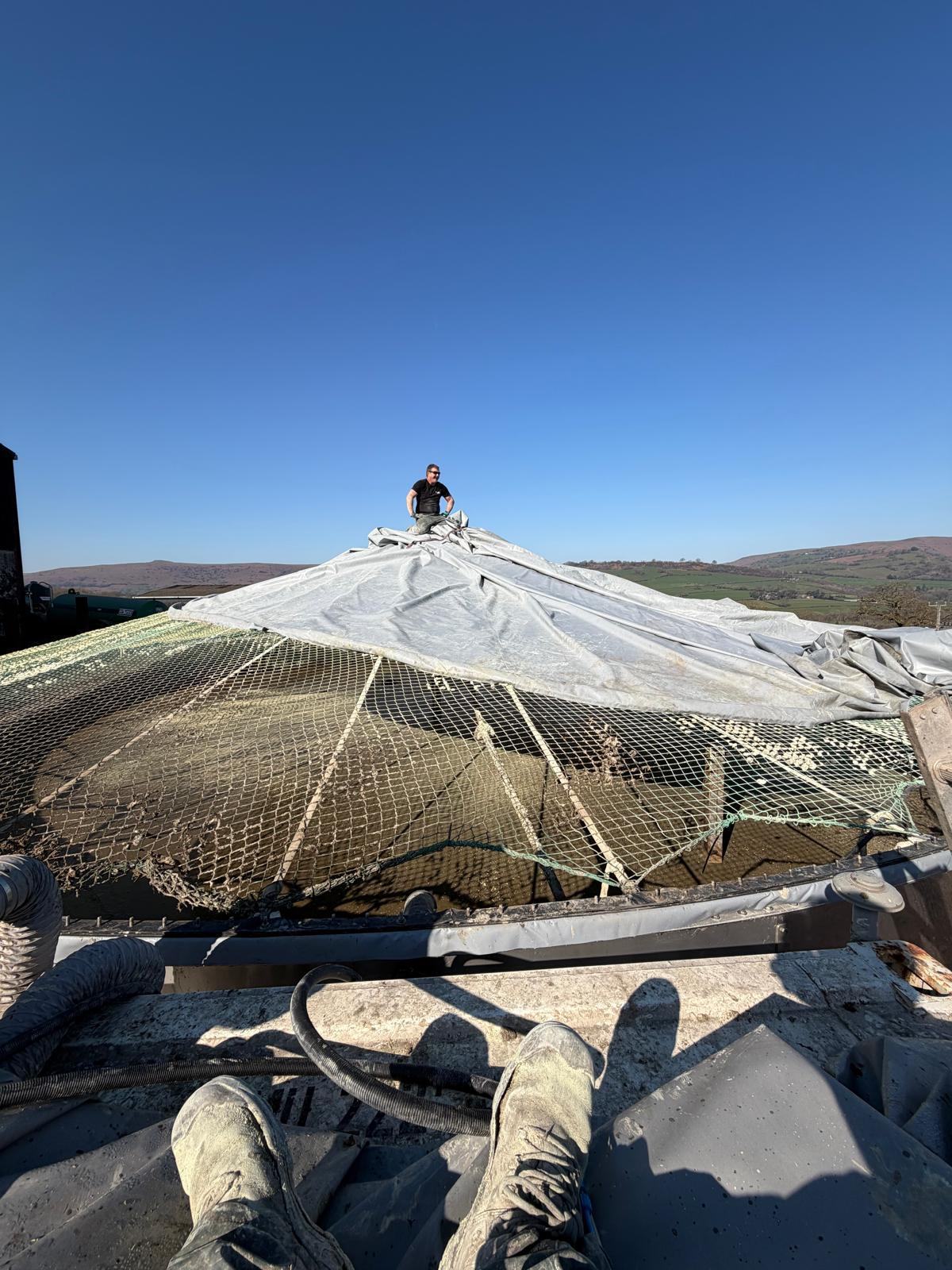
Dairy & Slurry
Can AD Run on Slurry Alone?
Yes — slurry-only AD is already operating on UK dairy farms. Here's what affects gas production, how slurry actually moves through the system, and what it needs to work well.
10 min readRead Guide

It's a natural question, but herd size alone doesn't answer it. What actually matters is how much slurry your system can realistically collect — which depends on far more than cow numbers.
9 min read · Reviewed September 2026
Quick Answer
There is no single number of cows that makes a dairy farm suitable for anaerobic digestion. Herd size is only a starting point. What matters more is how much slurry can actually be collected, how consistently it is available, its characteristics, the farm's energy demand and the type of AD plant being considered.
Key Points
This is the most important concept in this guide: number of cows does not equal quantity of usable AD feedstock.
Consider two 300-cow herds. Farm A houses its cows for much of the year and captures a large proportion of the slurry. Farm B relies heavily on grazing. The two farms have exactly the same number of cows, but the amount of slurry available to an AD plant could be significantly different. A manufacturer therefore cannot sensibly size a farm digester from the cattle count alone.
Because it is an easy figure to understand — farmers usually know their herd size immediately. By contrast, fewer farms know precisely their daily slurry volume, annual collectable slurry, percentage captured, dry matter content or seasonal variation. Herd size can provide an initial indication, but proper sizing needs more information.
Beyond the headline number of cattle, several factors determine how much usable feedstock a herd actually produces.
A second mistake is to size the plant only around maximum potential gas production — the energy still needs to be useful. A farm with consistent electricity demand may benefit from a different configuration from a farm with low and highly intermittent consumption. AD sizing should therefore consider both what the farm can feed into the plant, and what energy the farm can actually use.
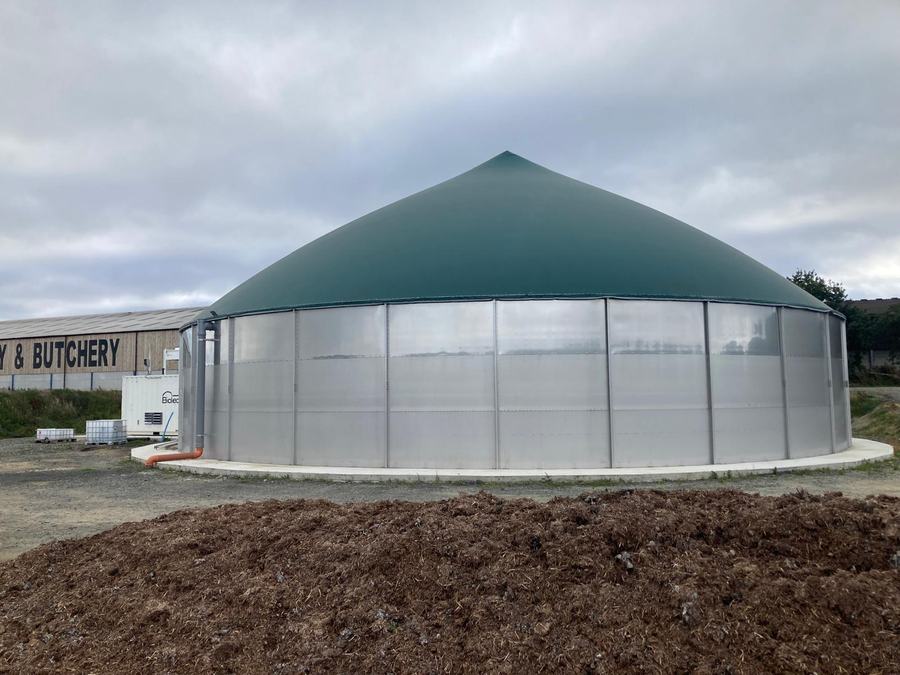
Yes. Farm systems specifically designed around cattle slurry are already operating in the UK. One documented example is Bays Leap Farm in Northumberland, an organic dairy farm with around 1,000 cows that uses a Biolectric slurry-fed AD system to generate a substantial share of its own electricity.
That doesn't imply a farm needs anything close to 1,000 cows — it simply demonstrates the principle of matching available slurry and farm energy demand with an appropriately designed system, covered further in our guide on running a digester on slurry alone.
Not necessarily. More feedstock may support a larger plant, but a larger installation also involves greater capital cost, more infrastructure, larger storage requirements, larger equipment and greater maintenance requirements. The objective is not to build the biggest plant the farm could theoretically feed — it's to build an appropriately sized plant that works effectively within the wider farm business.
If you are seriously exploring AD, useful information spans livestock numbers, housing patterns, slurry volumes and energy use — far more useful than simply asking 'we have 400 cows, what size plant do we need?'
There is no responsible universal minimum. The technically correct answer is that the minimum viable herd depends on the quantity and quality of collectable feedstock, plant technology, energy demand and the economics of the individual project. Some small farm systems are specifically designed for relatively modest dairy operations, while larger farms can justify substantially greater generation. The appropriate starting point is a farm and feedstock assessment, not a rule of thumb.
Sources
Can AD Run on Slurry Alone?
Yes — slurry-only AD is already operating on UK dairy farms. Here's what affects gas production, how slurry actually moves through the system, and what it needs to work well.
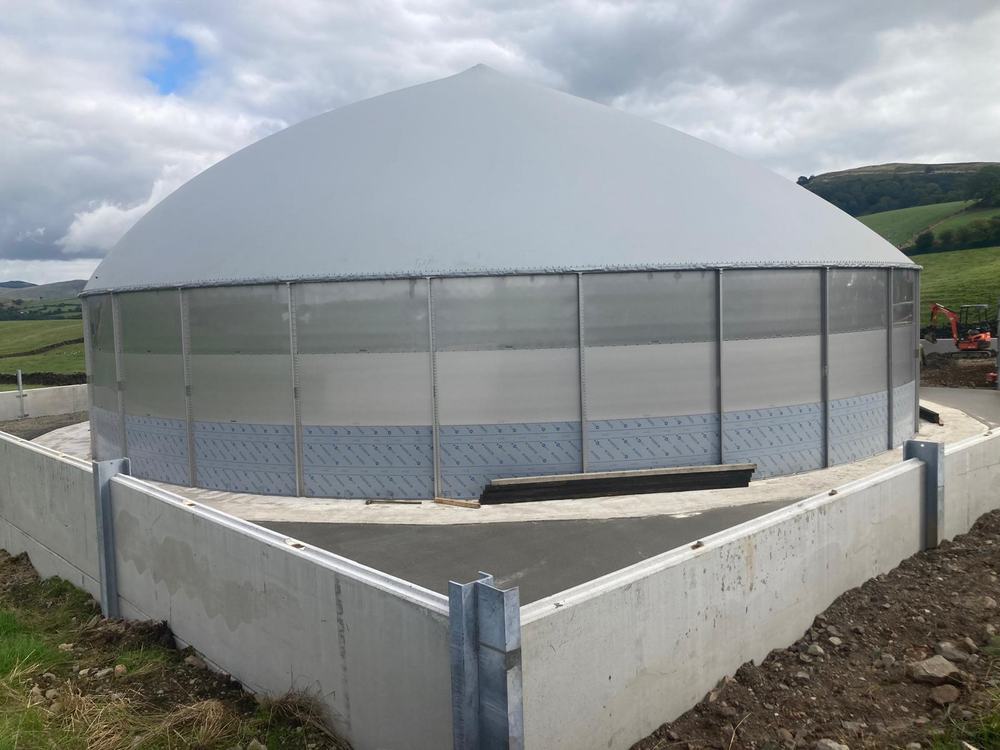
What Size Digester Do I Need?
Digester size can't be calculated from cow numbers alone — it depends on feedstock volume, dry matter, retention time and the farm's actual energy demand.
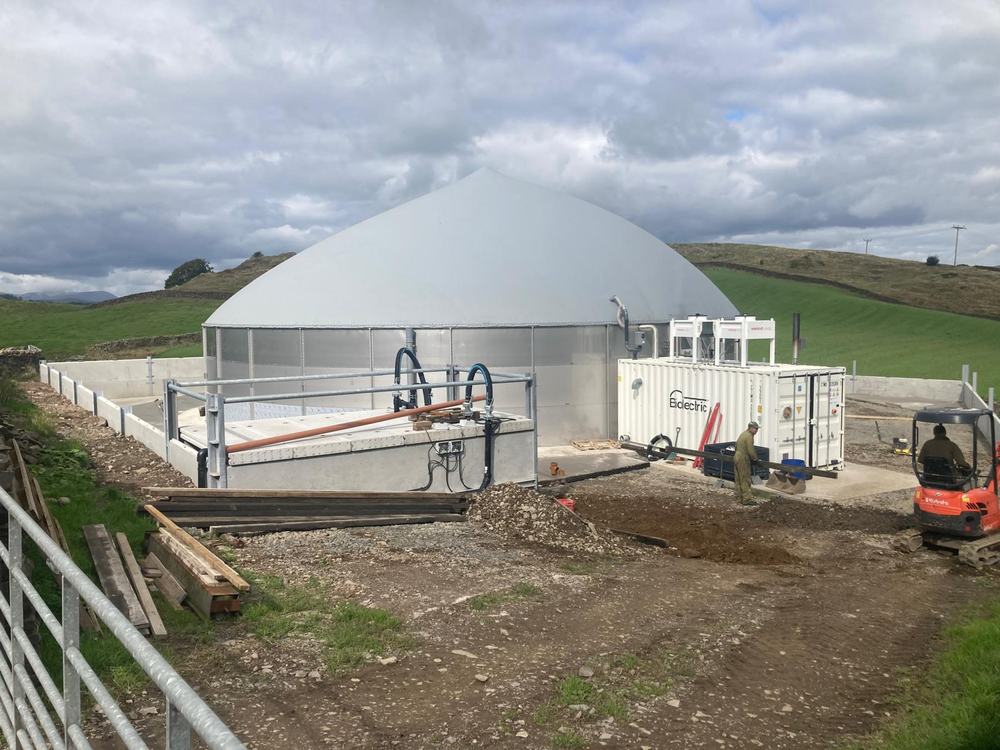
How Much Electricity Does AD Generate?
Output depends on feedstock, methane content, CHP efficiency and how the plant is run — not a fixed per-cow figure. Here's what actually determines it.
Is AD Worth It for a Dairy Farm?
AD can make sense for dairy farms with reliable slurry, sustained energy demand and a suitable site — but there's no universal return. Here's what actually drives it.
Charlie Bell Building supports farm-scale anaerobic digestion installations from site preparation and groundworks through to equipment installation and commissioning support.