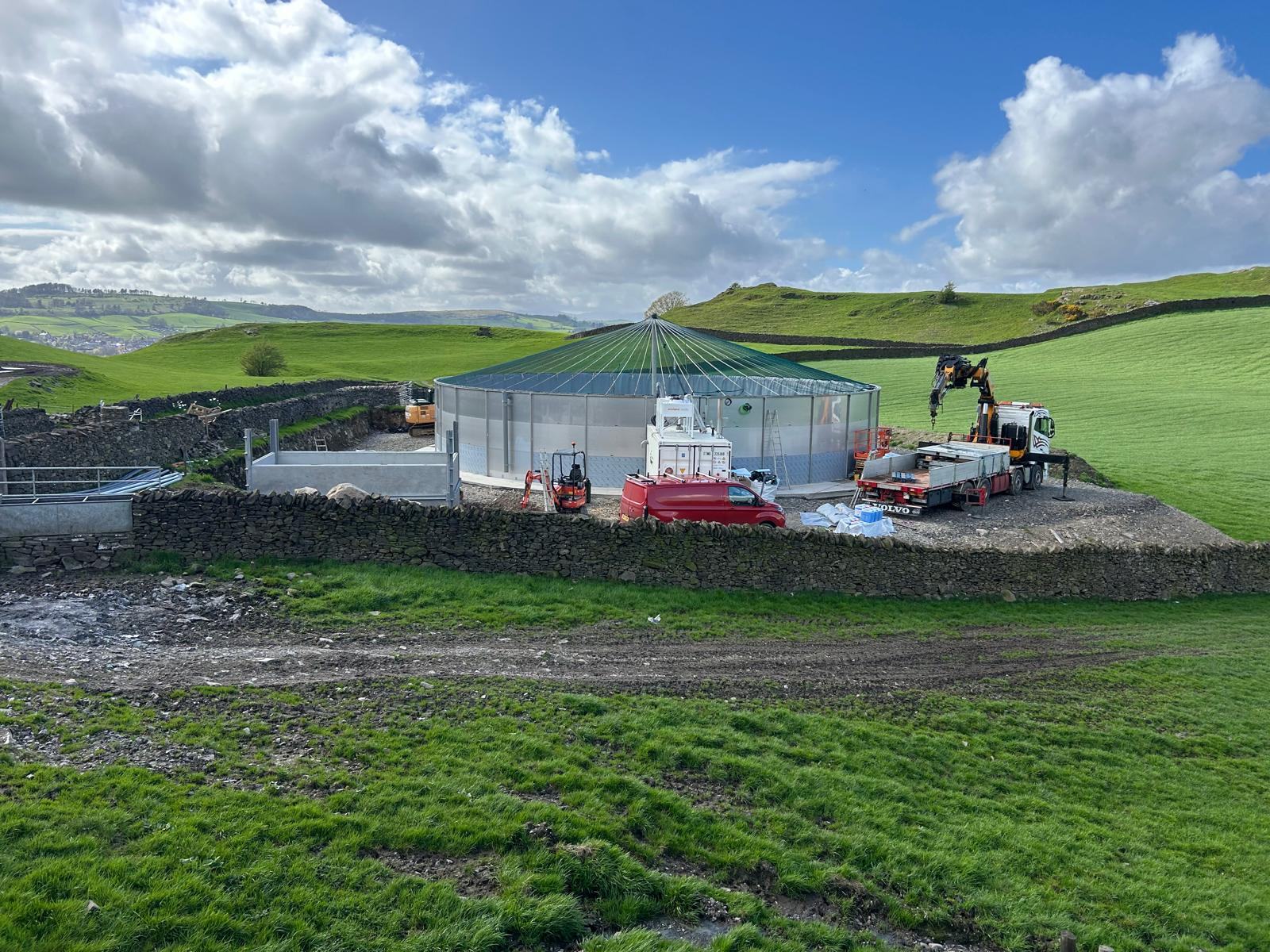
Getting Started
What Is Anaerobic Digestion?
The basics of farm-scale anaerobic digestion — what goes in, what comes out, and the infrastructure a working plant actually needs.
10 min readRead Guide

Slurry-only AD is one of the most common setups on UK dairy farms. Here's how slurry actually moves through the system, and what determines how well it performs.
10 min read · Reviewed September 2026
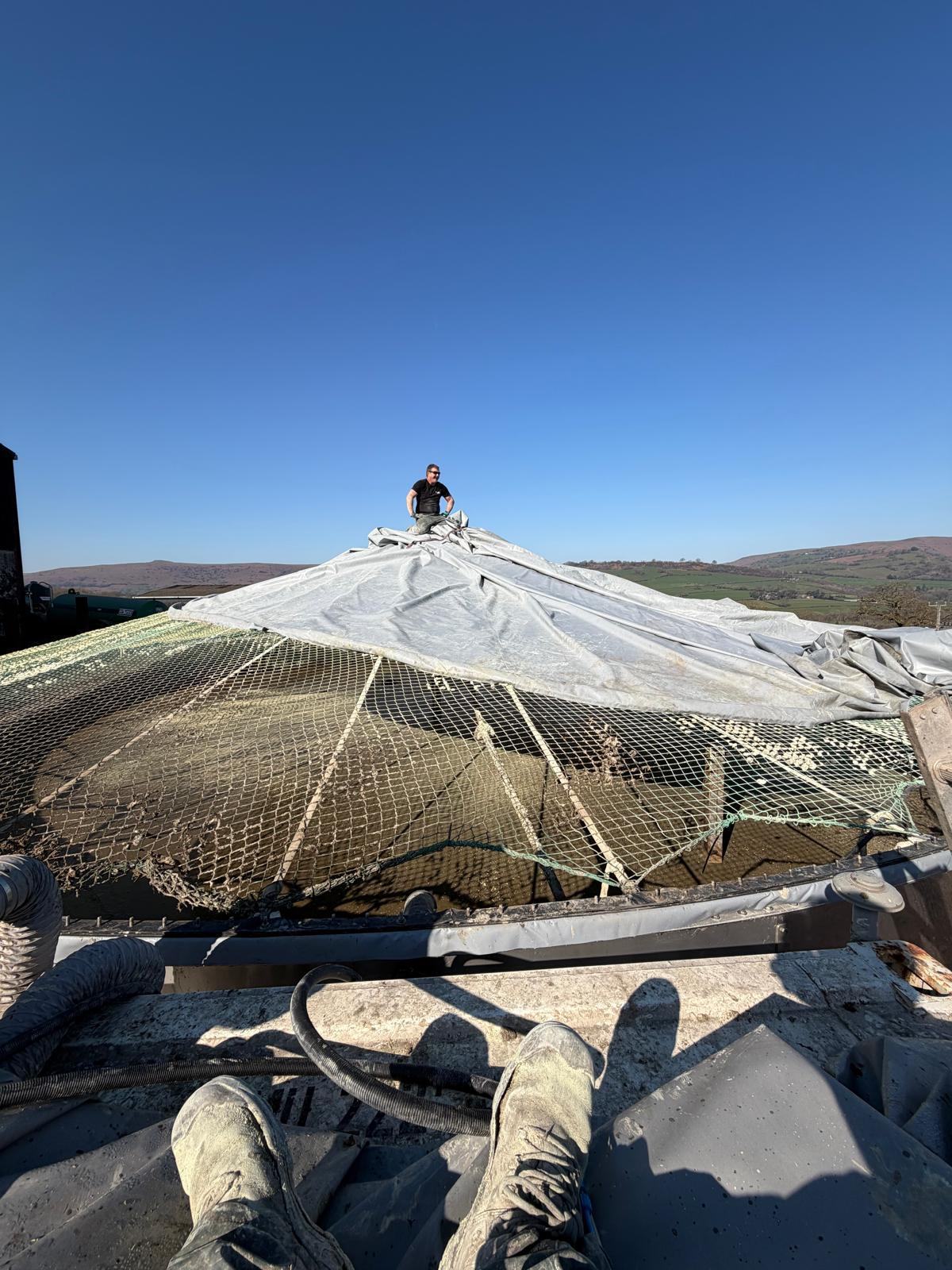
Quick Answer
Yes. Anaerobic digesters can be designed to operate using farm slurry as the principal feedstock without relying on purpose-grown energy crops. However, slurry has to be available in sufficient and reasonably consistent quantities, and the AD system must be designed around its characteristics and the farm's actual energy requirements.
Key Points
Yes. Cattle slurry contains biodegradable organic material. Inside an anaerobic digester, microorganisms break down this material and produce biogas, which can then be used as a fuel — in smaller farm systems, commonly burned in a CHP engine that produces electricity and useful heat.
The Environment Agency explicitly recognises farmyard manure and slurry as suitable agricultural wastes for treatment under its T24 farm anaerobic digestion exemption in England, subject to the exemption's requirements.
Not necessarily. There are different AD business models — some larger plants use significant quantities of maize, grass silage, other crops or imported feedstocks. But there are also systems designed specifically around farm slurry, which can be appealing to dairy farmers who want to make use of an existing material stream rather than growing significant areas of crops specifically for the digester.
Defra's Farm Practices Survey shows both crops and slurry or manure continuing to be used as AD feedstocks by English farms — the two approaches coexist rather than one replacing the other.
Generally, comparing a tonne of dilute slurry with a tonne of higher-energy organic material is misleading, because slurry contains a significant amount of water. What ultimately matters for biogas production is the biodegradable organic material available to microorganisms — which is why simply knowing your daily slurry volume in cubic metres isn't enough to predict electricity generation accurately.
Several characteristics beyond raw volume determine how much biogas a given slurry stream can actually produce.
The process often begins well before the digester itself, and this part of the installation matters — poorly considered transfer infrastructure can create problems even if the biological digester is well designed.
For Charlie Bell Building, these are core practical installation questions that shape the transfer route as much as the digester's own design.
Putting the AD plant close to an appropriate slurry source can reduce unnecessary transfer distance. But proximity alone isn't enough — the site also needs to work in relation to access, buildings, electrical services, digestate storage, ground conditions, planning, future maintenance and other farm traffic. The final arrangement is therefore a compromise between several engineering and operational requirements.
It becomes digestate. The digestion process removes some of the biodegradable energy content, but it does not remove the bulk of the material, so storage and land management remain part of the system.
The Environment Agency notes that where farmyard manure or slurry is the only waste feedstock under the T24 exemption, digestate can be spread agriculturally as fertiliser or soil conditioner without being regulated as waste, although other agricultural requirements still apply. In other situations, additional waste and digestate rules can apply.
Anaerobic digestion changes the nature of the material and can affect odour, but it would be misleading to claim an AD system makes farm slurry completely odour-free — performance depends on the process and on how material is subsequently stored and handled, so specific claims should be based on the actual installation rather than broad marketing statements.
AD does not eliminate the need to think about storage either. A farm needs to consider incoming slurry, transfer capacity, digester throughput, digestate storage, seasonal land application restrictions and contingency arrangements. In England, some permitted AD installations have specific Environment Agency requirements around tank construction, covered digestate storage, drainage and infrastructure inspection; Scotland's equivalent requirements sit with SEPA.
No. It tends to make more sense where there is sufficient collectable slurry, reasonably consistent availability, a workable site, useful energy demand, suitable infrastructure (or scope to build it), and a viable economic case. A grazing-heavy farm with limited collectable slurry may have a very different opportunity from a housed dairy operation.
A slurry-fed AD project isn't simply 'buy a digester and connect a slurry pipe' — it's an integrated farm infrastructure project. The biological process, pumps, pipework, tanks, concrete, electricity, slurry handling and digestate storage all need to work together, and that integration is where the quality of the installation becomes particularly important.
Sources
What Is Anaerobic Digestion?
The basics of farm-scale anaerobic digestion — what goes in, what comes out, and the infrastructure a working plant actually needs.
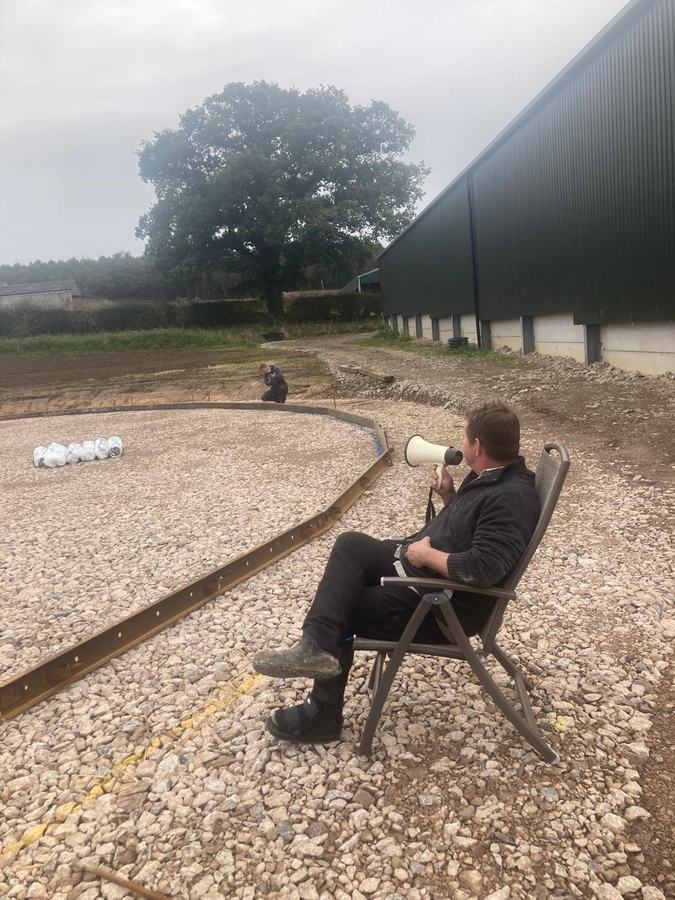
How Many Cows Do You Need?
Herd size is only a starting point. What matters more is how much slurry can actually be collected, how consistently, and the farm's energy demand.
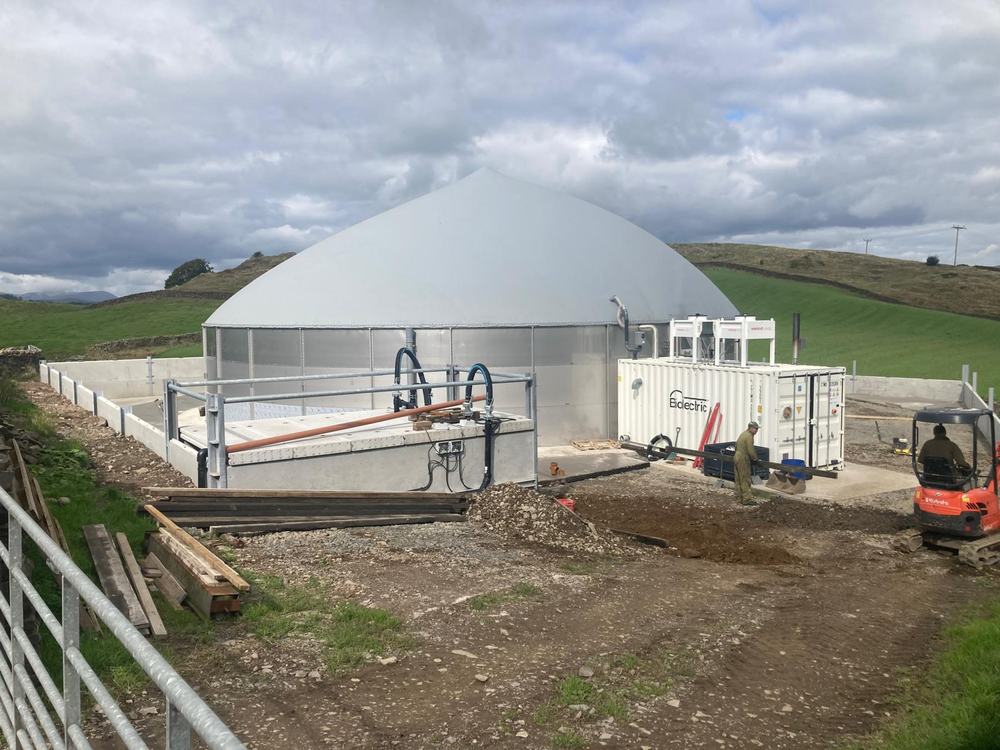
Does Small-Scale AD Work?
Compact, slurry-fed AD systems are already running on UK dairy farms — real examples from 22kW upward show it doesn't require an industrial-scale facility.
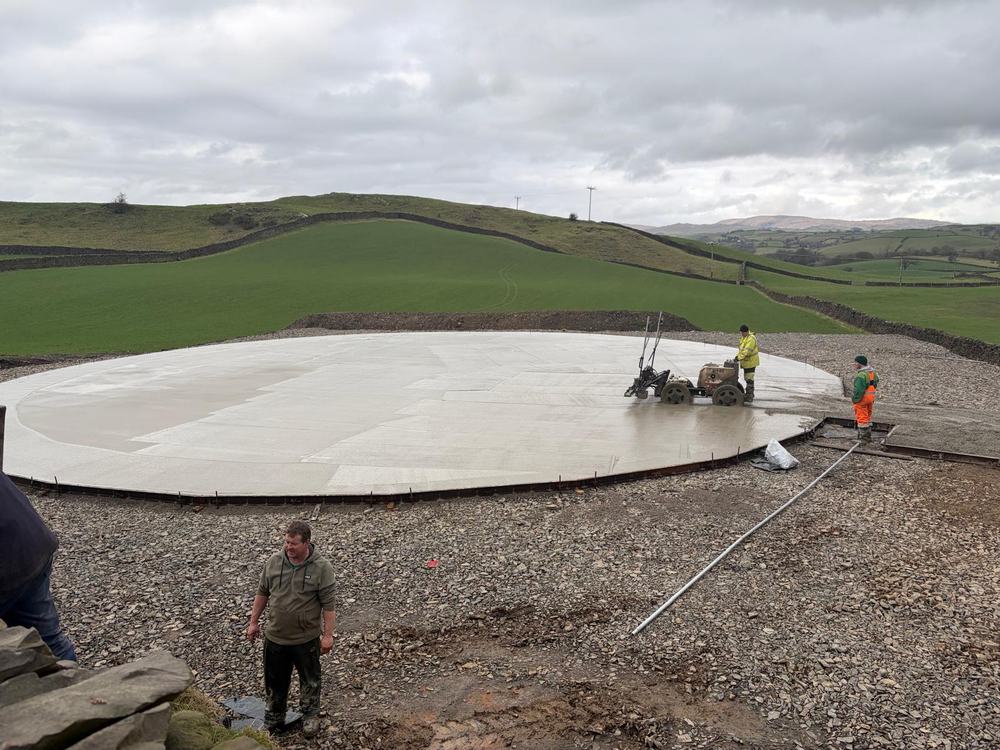
What Does AD Installation Involve?
Installing an AD plant involves far more than delivering the digester — from site assessment and agreed scope through groundworks, connections, testing and commissioning.
Charlie Bell Building supports farm-scale anaerobic digestion installations from site preparation and groundworks through to equipment installation and commissioning support.