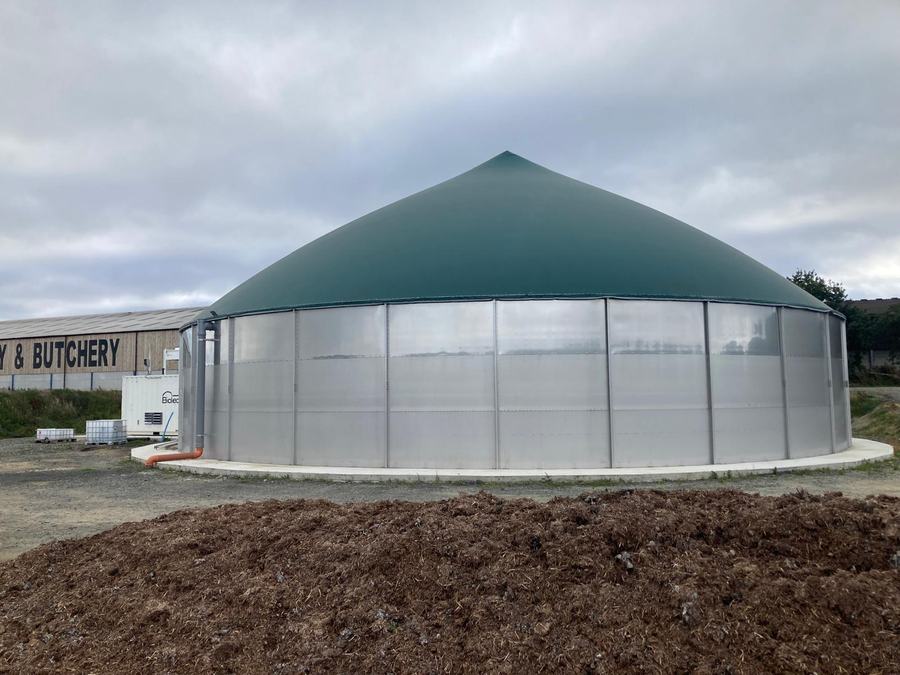
Dairy & Slurry
Is AD Worth It for a Dairy Farm?
AD can make sense for dairy farms with reliable slurry, sustained energy demand and a suitable site — but there's no universal return. Here's what actually drives it.
10 min readRead Guide

Before comparing costs or plant sizes, it helps to know what anaerobic digestion actually is and what a working farm installation looks like day to day.
10 min read · Reviewed September 2026
Quick Answer
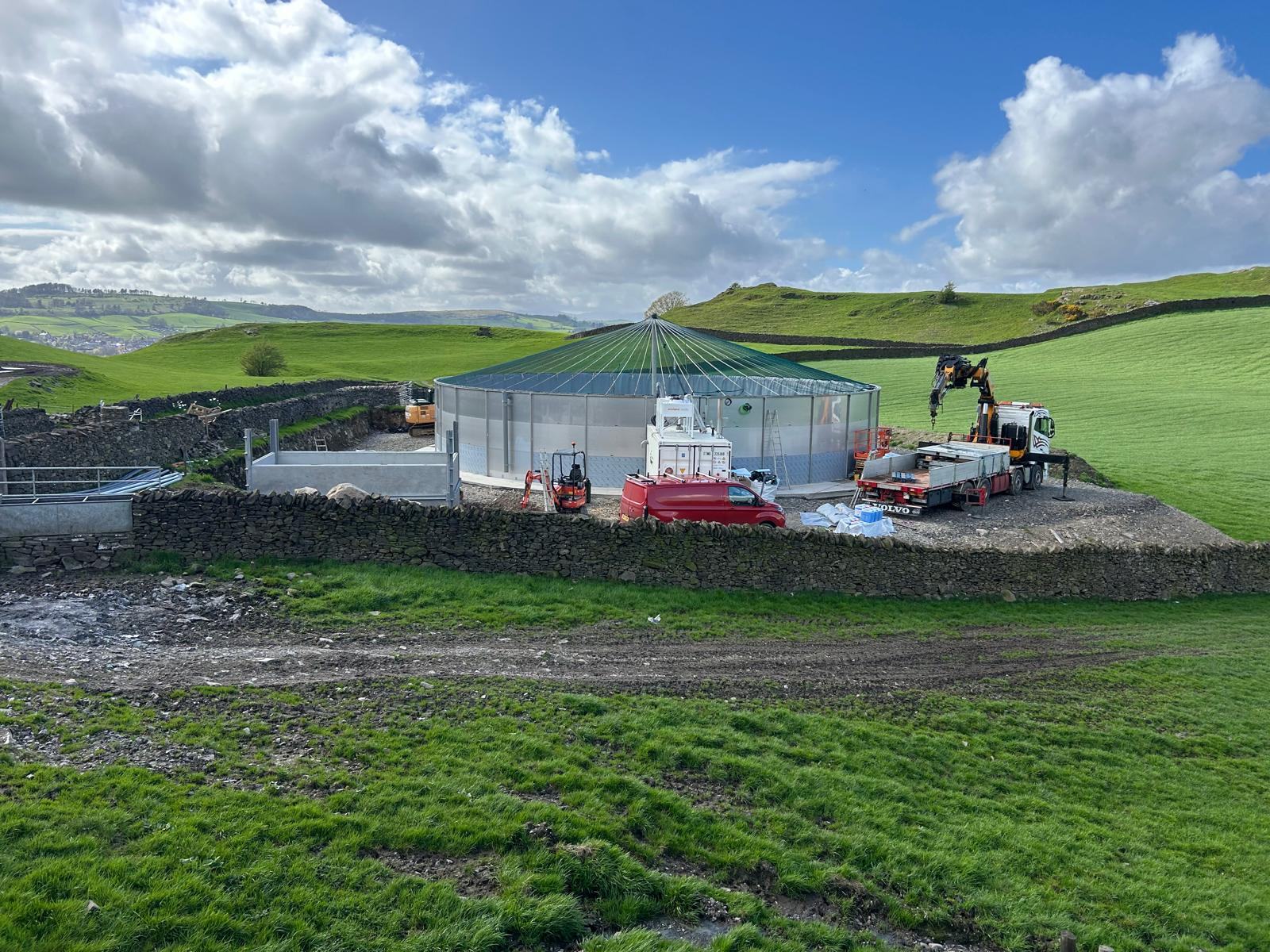
Anaerobic digestion, usually shortened to AD, is a biological process in which microorganisms break down organic material in the absence of oxygen. On farms, materials such as cattle slurry, manure and plant material can be fed into an anaerobic digester. The process produces biogas, which can be used to generate energy, and digestate, a nutrient-containing material that can be returned to agricultural land where the relevant requirements are met.
Key Points
Anaerobic digestion is a natural biological process. Microorganisms break down organic material inside a controlled environment where oxygen is absent.
The idea is relatively straightforward. Instead of simply storing organic material such as cattle slurry before spreading it to land, suitable material can first pass through an anaerobic digestion plant. During that process, microorganisms consume biodegradable material and produce a gas mixture known as biogas. A second material, known as digestate, leaves the process after digestion.
Defra describes anaerobic digestion as a process that can improve the capture and treatment of nutrients and greenhouse gas emissions from animal slurry and manure, compared with directly spreading untreated material.
Although individual AD systems vary, the overall process can be understood as a sequence of stages, from collecting the raw material through to using the energy it produces.
The way slurry is collected matters. A farm where cattle are housed for significant periods may have a very different quantity of collectable slurry from a grazing-based system where much of the manure is deposited directly onto fields.
Getting material from the farm's existing slurry infrastructure to the digester also isn't just a question of the shortest route on paper. The shortest theoretical route between two pieces of equipment is not necessarily the best route once existing buildings, roads, underground services, drainage, access requirements and future maintenance are taken into account — which is why this stage of planning matters as much as the digester itself.
Inside the digester, temperature, mixing, loading and retention time are controlled according to the particular process and plant design, to create suitable conditions for the anaerobic microorganisms doing the work.
Depending on the system, biogas may be used in equipment such as a combined heat and power unit, commonly called a CHP. A CHP engine can use the gas to produce both electricity and useful heat — electricity can potentially be consumed on the farm, while useful heat may also be recovered depending on the installation.
The Environment Agency's T24 farm AD exemption specifically recognises the production of biogas that can be burned to provide power on the farm or export electricity to the National Grid, where the installation meets the relevant exemption conditions.
The answer depends on the type of plant and the regulatory arrangements that apply. Farm-scale AD commonly involves the following kinds of material, though not every digester can legally or practically accept every type.
The Environment Agency's T24 exemption in England permits specified agricultural wastes including slurry, farmyard manure, certain plant tissue wastes and fully biodegradable animal bedding, subject to its conditions. Importing or processing other types of material can change the regulatory requirements considerably.
This is why the feedstock strategy should be established early, rather than decided after the plant has already been designed.
Biogas is the gaseous product of anaerobic digestion. Its energy value comes primarily from methane. Instead of allowing organic material to decompose without making deliberate use of the resulting gas, AD captures the gas within a controlled system so that it can be used as an energy source.
On many smaller farm systems the most obvious use is generating electricity and heat through CHP. Larger and different types of AD facilities may also upgrade biogas into biomethane, but that is a different proposition from the smaller farm-scale installations that are the main focus of this guide.
Digestate is the material remaining after anaerobic digestion. Importantly, the process does not simply make the slurry disappear — much of the nutrient content remains in the digestate, which can potentially be used agriculturally.
Where slurry or farmyard manure is the only waste feedstock under the T24 exemption, the Environment Agency states that the resulting digestate can be spread on agricultural land as fertiliser or soil conditioner without being regulated as waste, although other agricultural rules still apply.
Digestate storage therefore needs to form part of the overall farm infrastructure plan. A farmer considering AD should think beyond where the digester will go, and also ask where everything entering and leaving the digester will go.
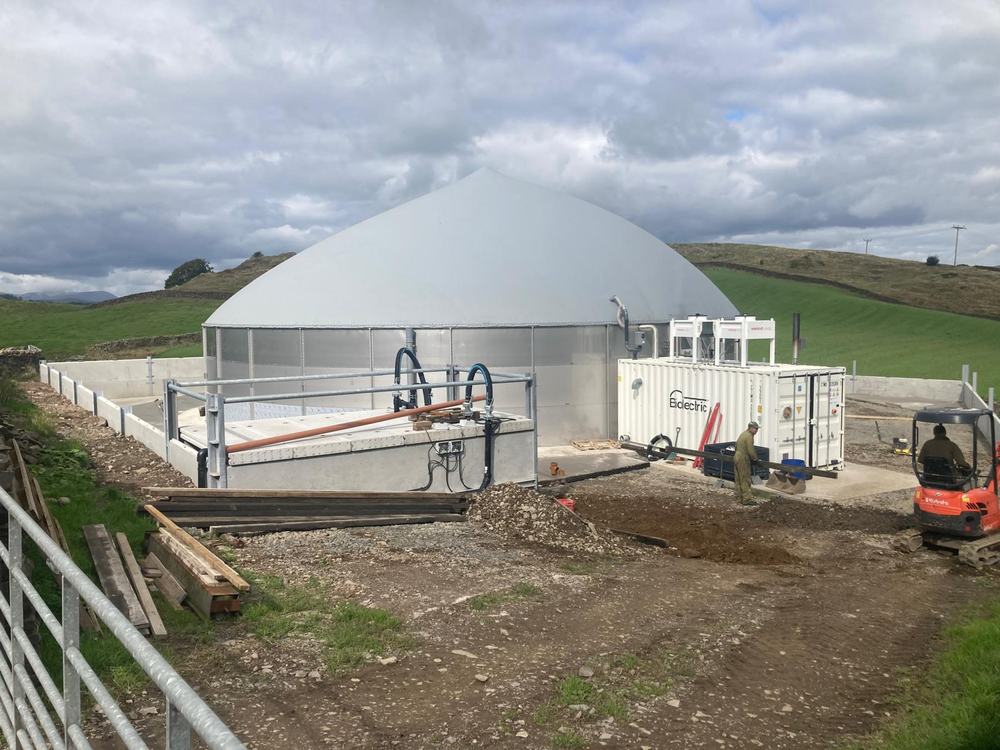
An anaerobic digester does not operate in isolation. Depending on the farm and the system, an installation may involve a considerable amount of supporting infrastructure.
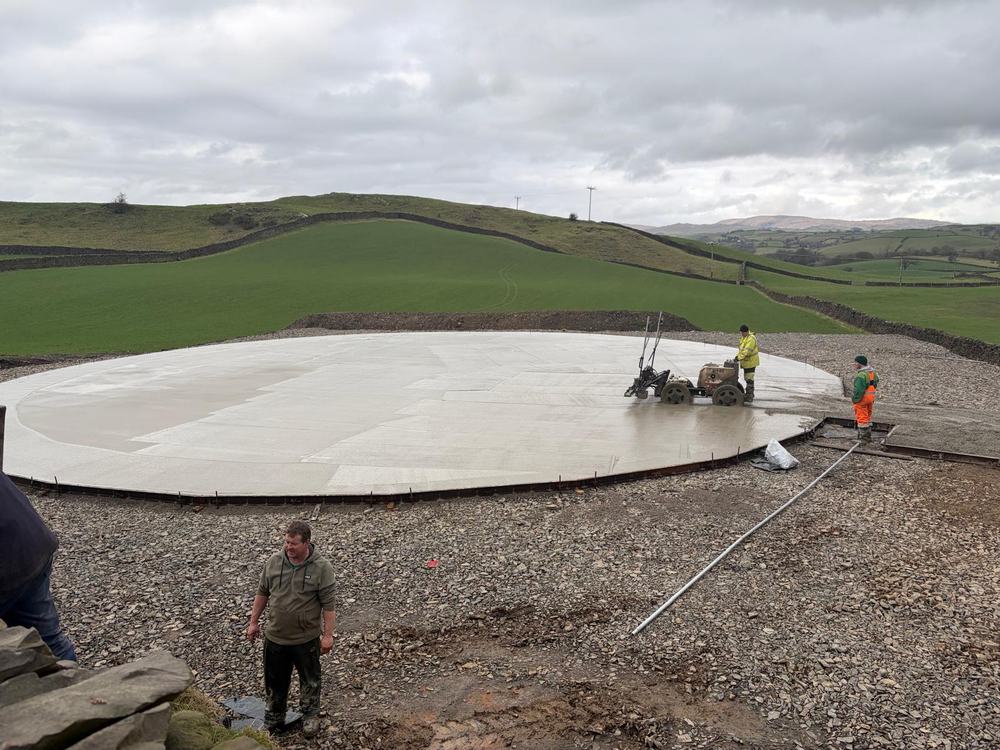
This supporting infrastructure is one of the reasons two farms installing similar AD technology can still require very different projects. One farm may already have useful tanks, concrete and slurry infrastructure. Another may require substantial enabling works before the AD equipment can be installed.
There is no universal answer. The best location needs to be considered as part of the whole farm, rather than simply finding an empty patch of ground.
Defra's Farm Practices Survey provides useful context on how widely farm-scale AD has actually been adopted across England, rather than relying on anecdote.
of surveyed English farm holdings reported processing material through anaerobic digestion in 2026, up from 8% in 2022 (Defra Farm Practices Survey).
Source: GOV.UK — Farm Practices Survey 2026
That doesn't mean AD is right for every farm. It does show that anaerobic digestion is an established part of the agricultural energy and nutrient management landscape, rather than an experimental technology.
No. Suitability depends on considerably more than simply owning cattle. A good AD project starts by understanding the farm, rather than selecting equipment first and trying to make the farm fit around it afterwards.
The physical AD unit is only one part of the project. A farm-scale installation typically spans site assessment and layout, agreeing project scope, groundworks and concrete, tanks and associated infrastructure, trenches, pumps, mixers and pipework, electrical services, plant positioning and mechanical connection, and finally testing and commissioning support.
Charlie Bell Building specialises in this practical installation side of farm-scale AD projects, bringing together the farm, equipment and site infrastructure required to make the installation work as a whole — covered in more depth in our guide on what AD installation actually involves.
Sources
Is AD Worth It for a Dairy Farm?
AD can make sense for dairy farms with reliable slurry, sustained energy demand and a suitable site — but there's no universal return. Here's what actually drives it.
Can AD Run on Slurry Alone?
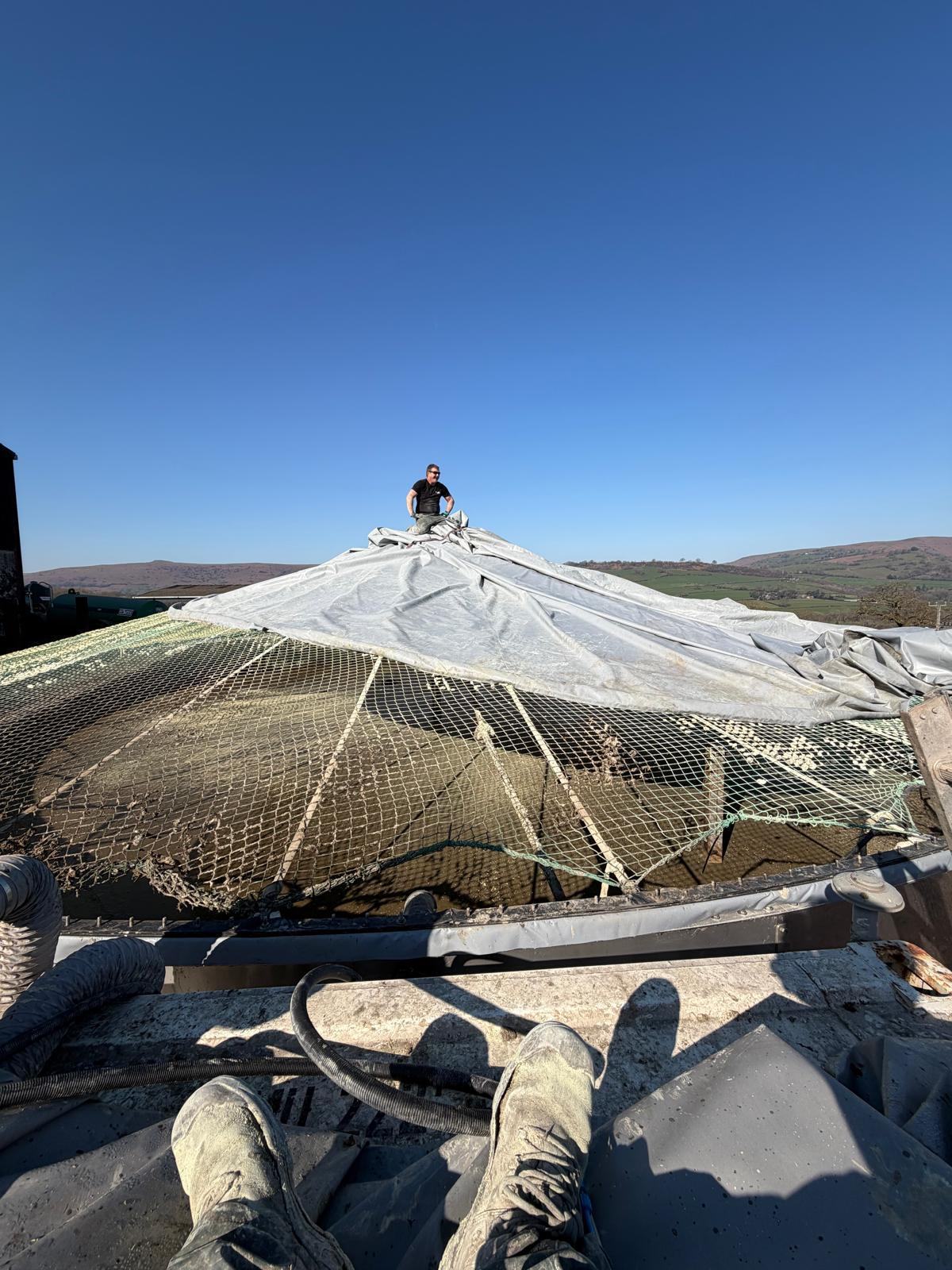
Yes — slurry-only AD is already operating on UK dairy farms. Here's what affects gas production, how slurry actually moves through the system, and what it needs to work well.
How Much Electricity Does AD Generate?
Output depends on feedstock, methane content, CHP efficiency and how the plant is run — not a fixed per-cow figure. Here's what actually determines it.
What Does AD Installation Involve?
Installing an AD plant involves far more than delivering the digester — from site assessment and agreed scope through groundworks, connections, testing and commissioning.
Charlie Bell Building supports farm-scale anaerobic digestion installations from site preparation and groundworks through to equipment installation and commissioning support.