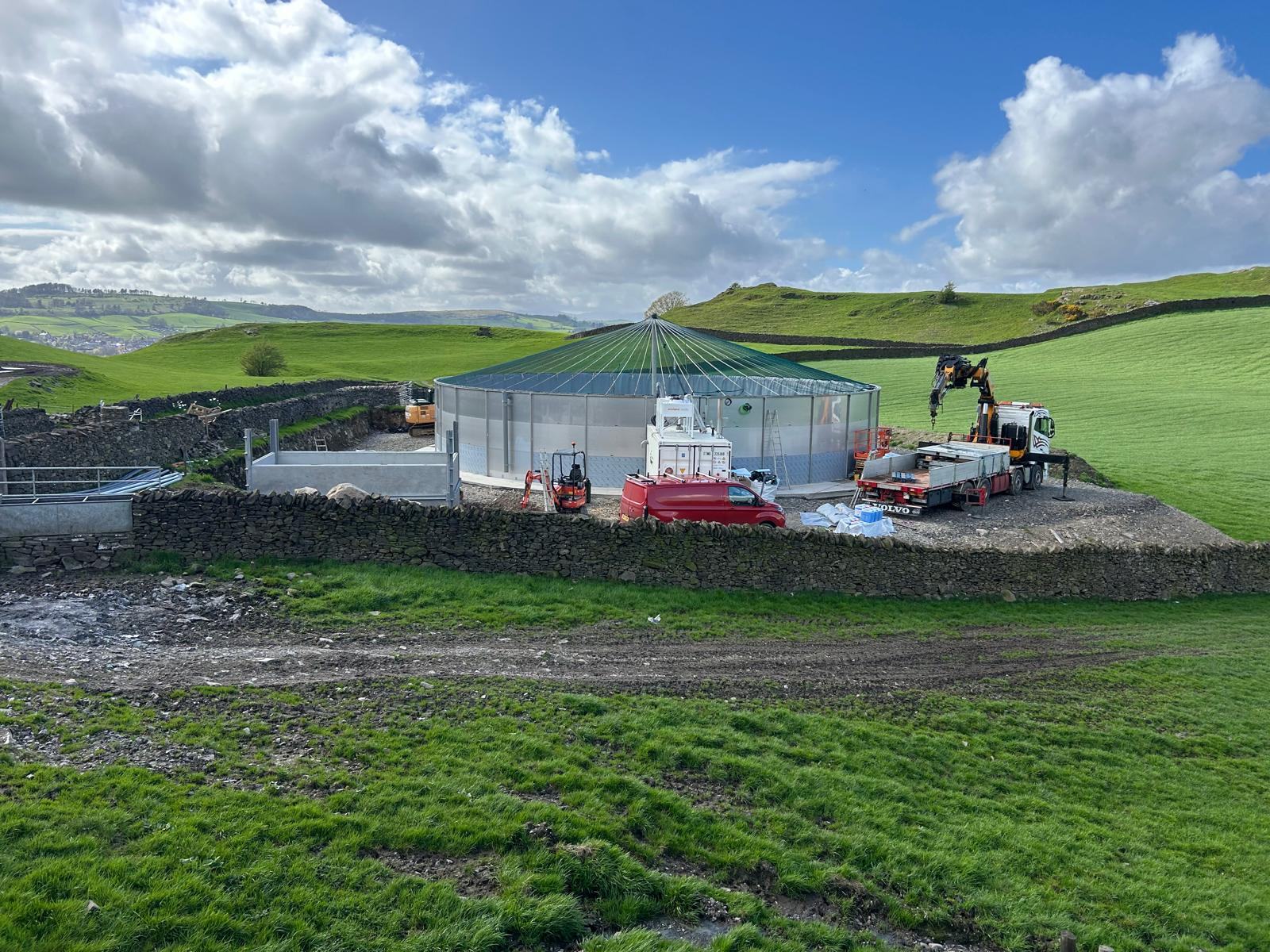
Getting Started
What Is Anaerobic Digestion?
The basics of farm-scale anaerobic digestion — what goes in, what comes out, and the infrastructure a working plant actually needs.
10 min readRead Guide

There's no single answer that applies to every dairy farm. What follows is what actually drives whether the numbers work, so you can weigh it up properly rather than go on a headline figure.
10 min read · Reviewed September 2026
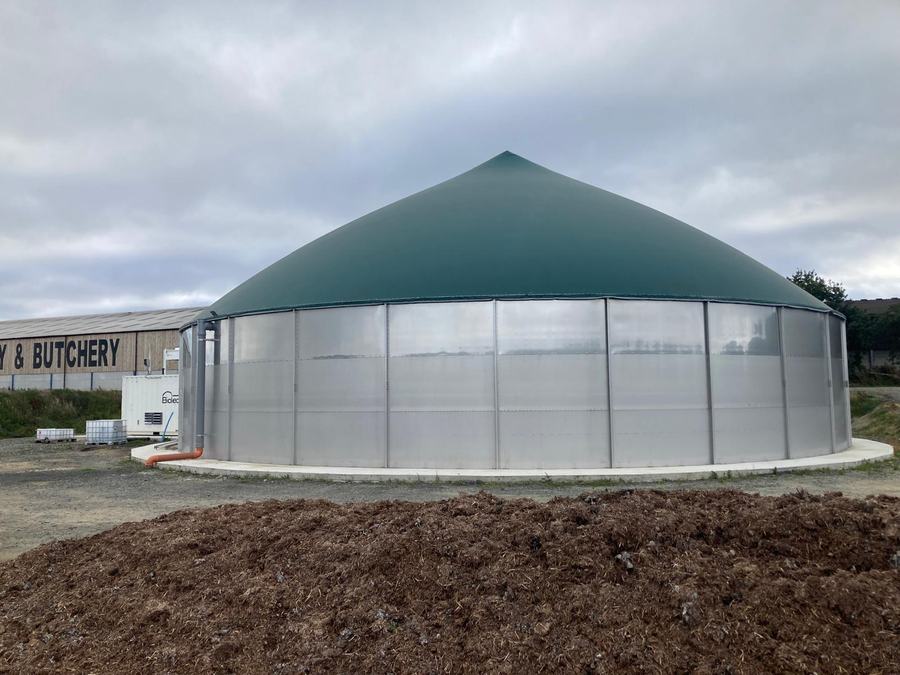
Quick Answer
Anaerobic digestion can make sense for dairy farms with a reliable supply of collectable slurry, sustained energy demand and a suitable site, but there is no universal return on investment. The economics depend on plant cost, groundworks, existing infrastructure, maintenance, energy use, slurry availability and how effectively the electricity and heat produced can be used.
Key Points
Dairy farming can combine two characteristics that are helpful for anaerobic digestion: a potentially consistent supply of slurry, and consistent energy consumption. Depending on the dairy system, electricity may be required for milking, milk cooling, water heating, pumps, lighting, ventilation, robotic equipment and ancillary farm buildings.
AD has the potential to connect those two sides of the farm — organic material already being produced by the livestock can be used to generate biogas, and that gas can be converted into useful energy. That does not automatically make the economics work, but it creates a strong starting point.
Very. A common mistake is to judge AD suitability purely from herd size. The more important question is how much suitable material can actually be collected and fed consistently into the plant.
Consider two farms that each have 300 cows. One houses its cattle for long periods and has a well-developed slurry collection system. The other operates a grazing-heavy system where much of the manure is deposited directly onto fields. Although the headline herd size is identical, the feedstock available to an AD plant may be very different — covered in more depth in our guide on how many cows you need for an anaerobic digester.
Potentially just as important as slurry availability. Generating energy has limited value if the farm cannot use it effectively or export it economically. Dairy farms can have a useful advantage because some electricity consumption continues throughout the day and year — milking equipment, refrigeration and slurry handling can create reasonably consistent demand.
Biolectric, whose systems Charlie Bell Building installs, publishes examples of working dairy farm AD installations, including farms with substantial, fairly continuous electricity demand from robotic milking, cooling and slurry handling. The useful principle from these case studies isn't a specific herd size — it's that feedstock availability and energy demand should be considered together.
Often, yes. A unit of electricity generated and consumed on site can displace electricity the farm would otherwise have purchased. That can be more commercially attractive than generating electricity at times when the farm has little demand and relying heavily on export.
For this reason, an AD feasibility assessment should consider the farm's electricity profile, not simply its annual electricity bill — its typical daytime load, what happens overnight, seasonal changes, and how much of the generated electricity could realistically be consumed on site.
A CHP unit generates heat as well as electricity. If useful heat can be recovered, it may improve overall utilisation of the energy contained in the biogas. Potential uses depend entirely on the farm and plant configuration — the important question is not simply whether heat is produced, but whether the farm has a practical demand for that heat at appropriate times and temperatures.
There is no single reliable UK price. The equipment is only one part of the capital cost — a project can include foundations, concrete, excavation, tanks, slurry transfer, pumps, mixers, pipework, electrical cabling, controls, digestate storage, access, installation, commissioning, and planning or professional costs.
Site-specific requirements can materially change the total, which is why comparing two quotations solely on the headline plant price can be misleading — see our dedicated guide on anaerobic digestion plant costs in the UK for a fuller breakdown.
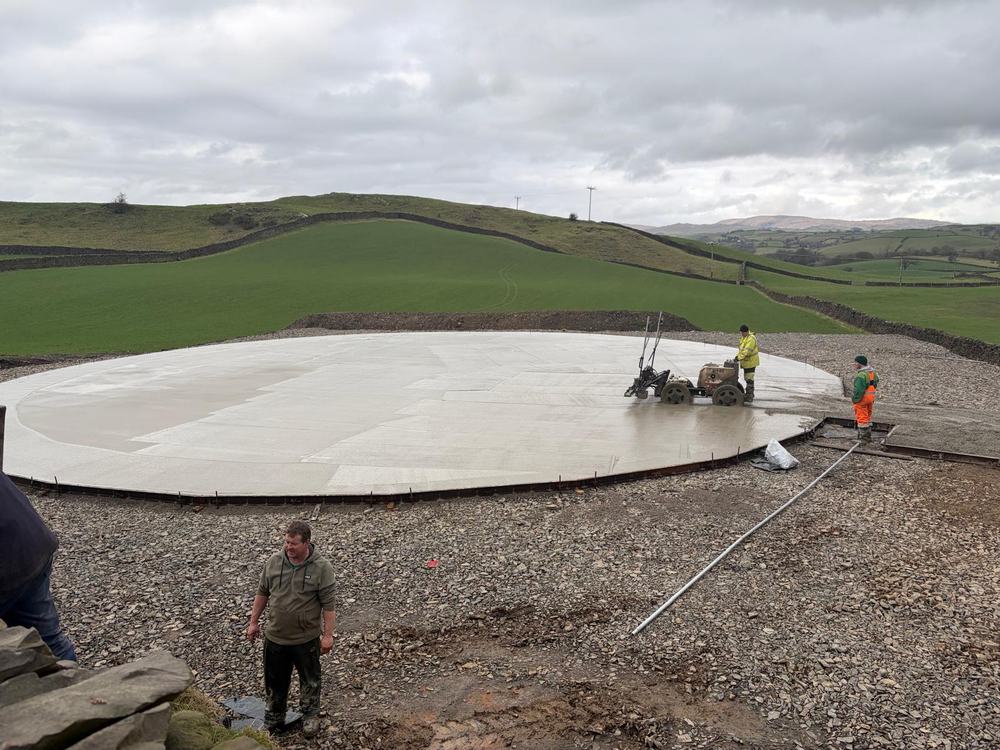
Potentially significantly. A farm that already has suitable concrete, tanks, access, electrical capacity, slurry channels, storage and service routes may require less additional construction. A farm that needs substantial reconfiguration can face a greater enabling-works cost — one reason CBB's approach starts with the physical farm, rather than treating the digester as a product that can be dropped into any site.
Maintenance should be included in any serious economic assessment. AD installations contain moving mechanical and electrical equipment — pumps, mixers, engines, valves, sensors, controls and separators, depending on the plant. An AD plant that performs well financially on paper but suffers poor availability because maintenance has been underestimated is not a successful project.
It can have agricultural value because nutrients remain after digestion, but it should not be treated as a guaranteed fixed-value product in a financial model. Its value depends on feedstock, nutrient content, farm cropping, storage, timing of land application, spreading costs, regulatory requirements and how much purchased fertiliser it actually displaces. The most useful approach is to consider what digestate would actually replace or improve on the particular farm.
Among the main variables are plant capital cost, cost of finance, electricity displaced and exported, plant availability, maintenance cost, slurry availability, useful heat utilisation, existing infrastructure, civil engineering costs and digestate value. This is why claims such as 'AD pays back in X years' should be treated cautiously unless the assumptions behind them are shown.
Before progressing far into quotations, a farmer should be able to answer some basic questions in each of these areas, starting with feedstock.
The remaining questions cover the farm's energy use, the physical site, and how the project itself would be structured.
For the right dairy farm, it can be. But the right question is not whether anaerobic digestion is generally profitable — it's whether anaerobic digestion makes operational and financial sense for this particular farm. That requires the feedstock, energy demand, site, plant and infrastructure to be assessed together.
Sources
What Is Anaerobic Digestion?
The basics of farm-scale anaerobic digestion — what goes in, what comes out, and the infrastructure a working plant actually needs.
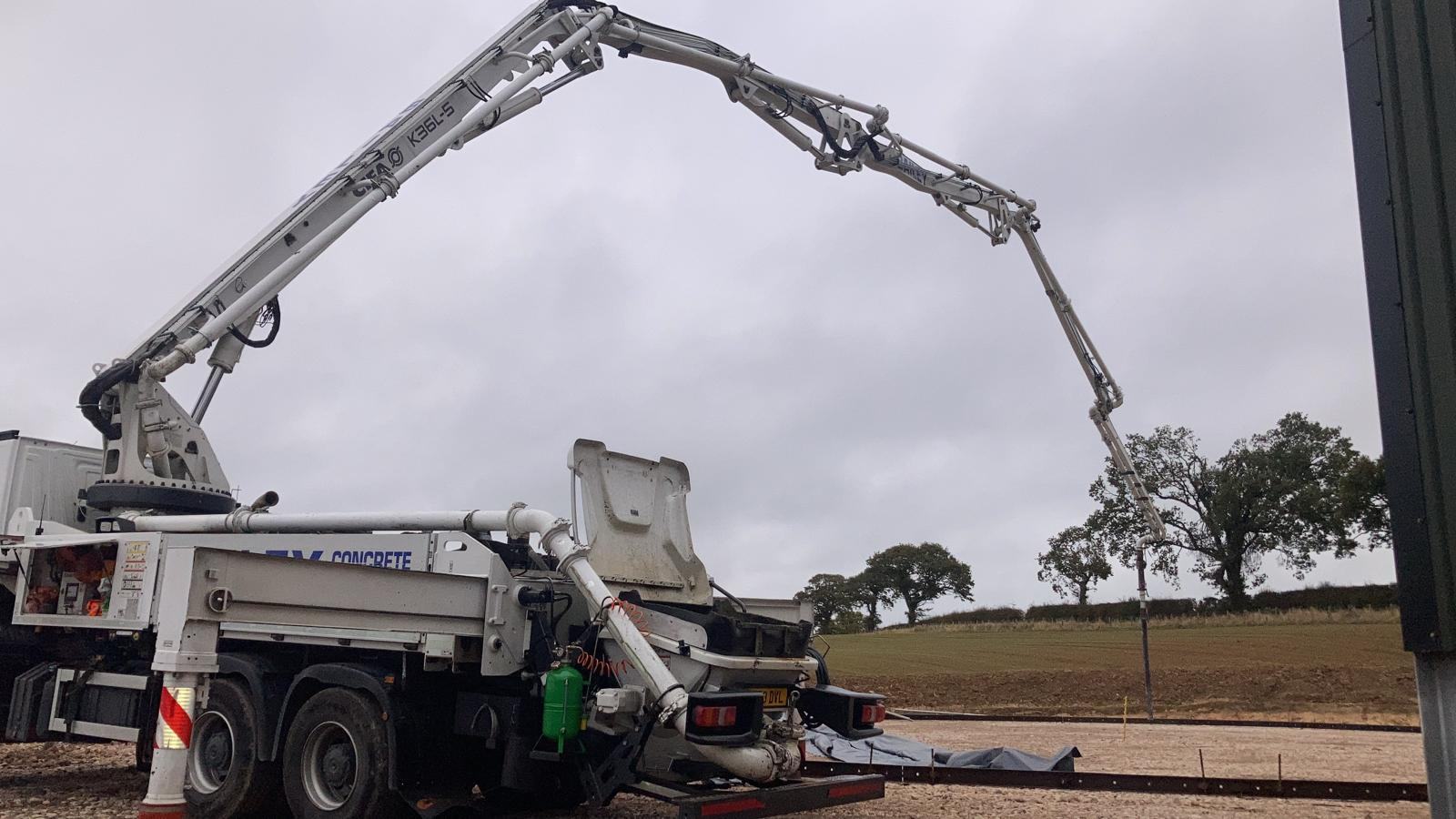
AD Plant Cost in the UK
There's no single reliable price for a farm AD plant — total project cost depends on the plant plus civils, infrastructure, installation and site-specific requirements.
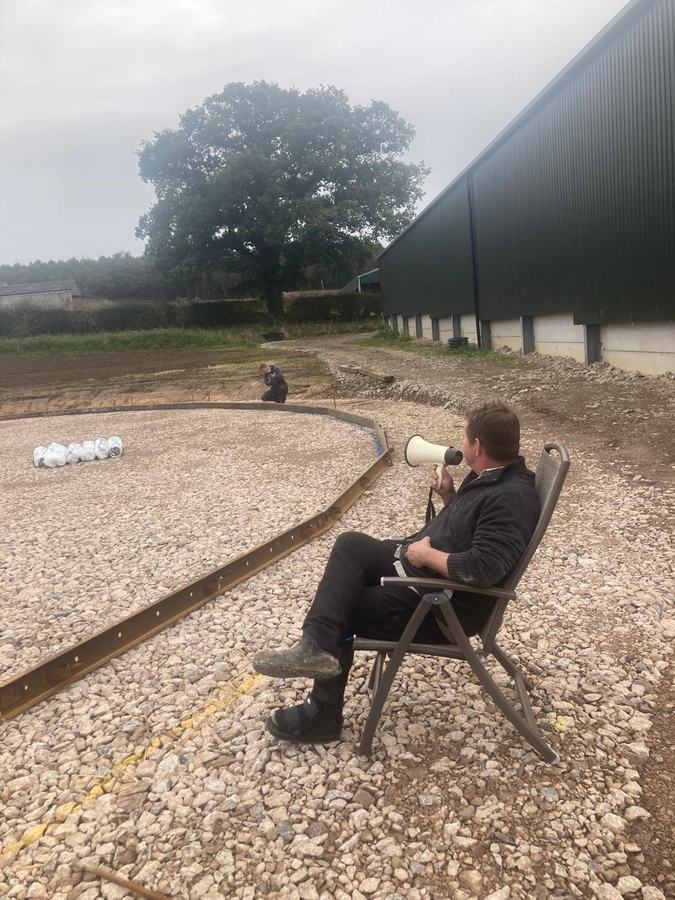
How Many Cows Do You Need?
Herd size is only a starting point. What matters more is how much slurry can actually be collected, how consistently, and the farm's energy demand.
What Does AD Installation Involve?
Installing an AD plant involves far more than delivering the digester — from site assessment and agreed scope through groundworks, connections, testing and commissioning.
Charlie Bell Building supports farm-scale anaerobic digestion installations from site preparation and groundworks through to equipment installation and commissioning support.