Dairy & Slurry
Is AD Worth It for a Dairy Farm?
AD can make sense for dairy farms with reliable slurry, sustained energy demand and a suitable site — but there's no universal return. Here's what actually drives it.
10 min readRead Guide

There's no single published price for a farm AD plant — cost depends heavily on scale and scope. Here's what the cost is actually made up of, component by component.
11 min read · Reviewed September 2026
Quick Answer
There is no reliable single price for a farm anaerobic digestion plant in the UK. Total project cost depends on the plant itself plus civil works, slurry and digestate infrastructure, pumps, pipework, electrical work, installation and individual farm conditions. The appropriate comparison is therefore the cost of a complete working installation, rather than the purchase price of the digester alone.
Key Points
A useful way to think about an AD budget is as a sum of several distinct parts, rather than a single number. The relative size of each component differs from farm to farm.
Because farms are not standardised industrial sites. Two farmers could purchase similar AD equipment but require very different work to install it. One site might already have suitable access, usable concrete, nearby slurry storage, appropriate electrical infrastructure and short pipe routes. Another may require major excavation, new concrete pads, new storage, substantial trenching, long pipe runs, additional pumps and upgraded electrical services.
Factors including grid connection, groundworks, commissioning, location and plant inputs all make it genuinely difficult to point to a single typical AD construction cost.
The core plant is the most obvious component of the quotation. Its cost depends on factors including capacity, process design, equipment package, gas utilisation equipment, controls, manufacturer and level of prefabrication. But a quotation for the core plant should not be mistaken for the complete installed cost — the equipment cannot operate effectively without the surrounding site infrastructure.
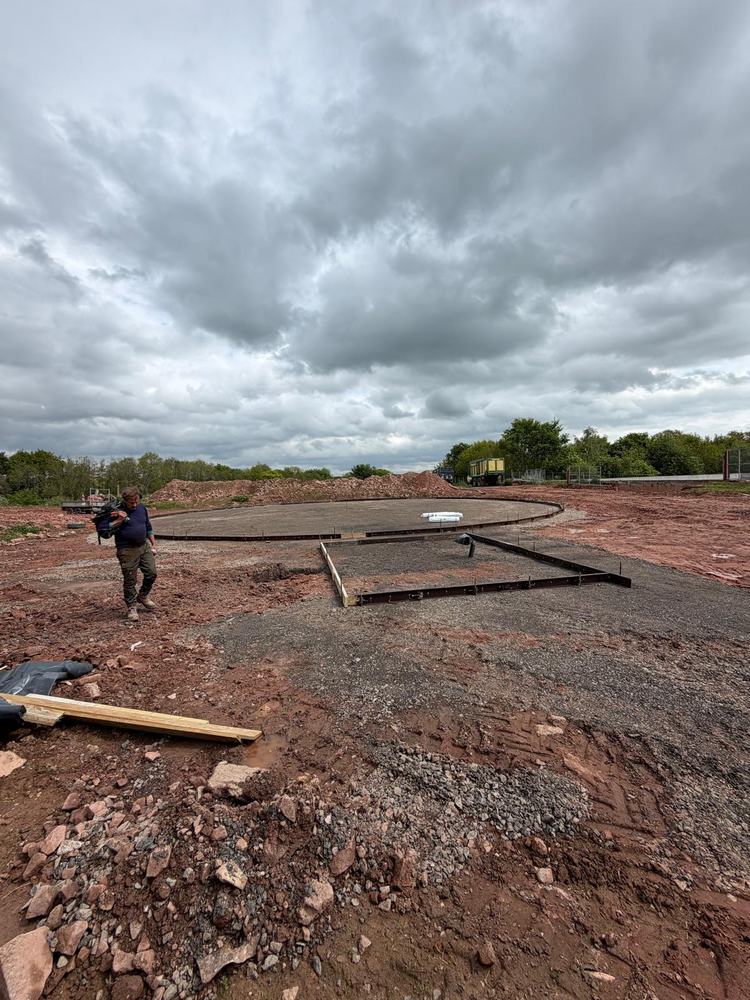
Groundworks can include site clearance, excavation, reduced-level digging, compacted stone, access preparation, drainage, trenching, preparation for foundations and reinstatement. Ground conditions can make a significant difference — a straightforward, accessible site will be very different from a congested working farm requiring extensive reconfiguration.
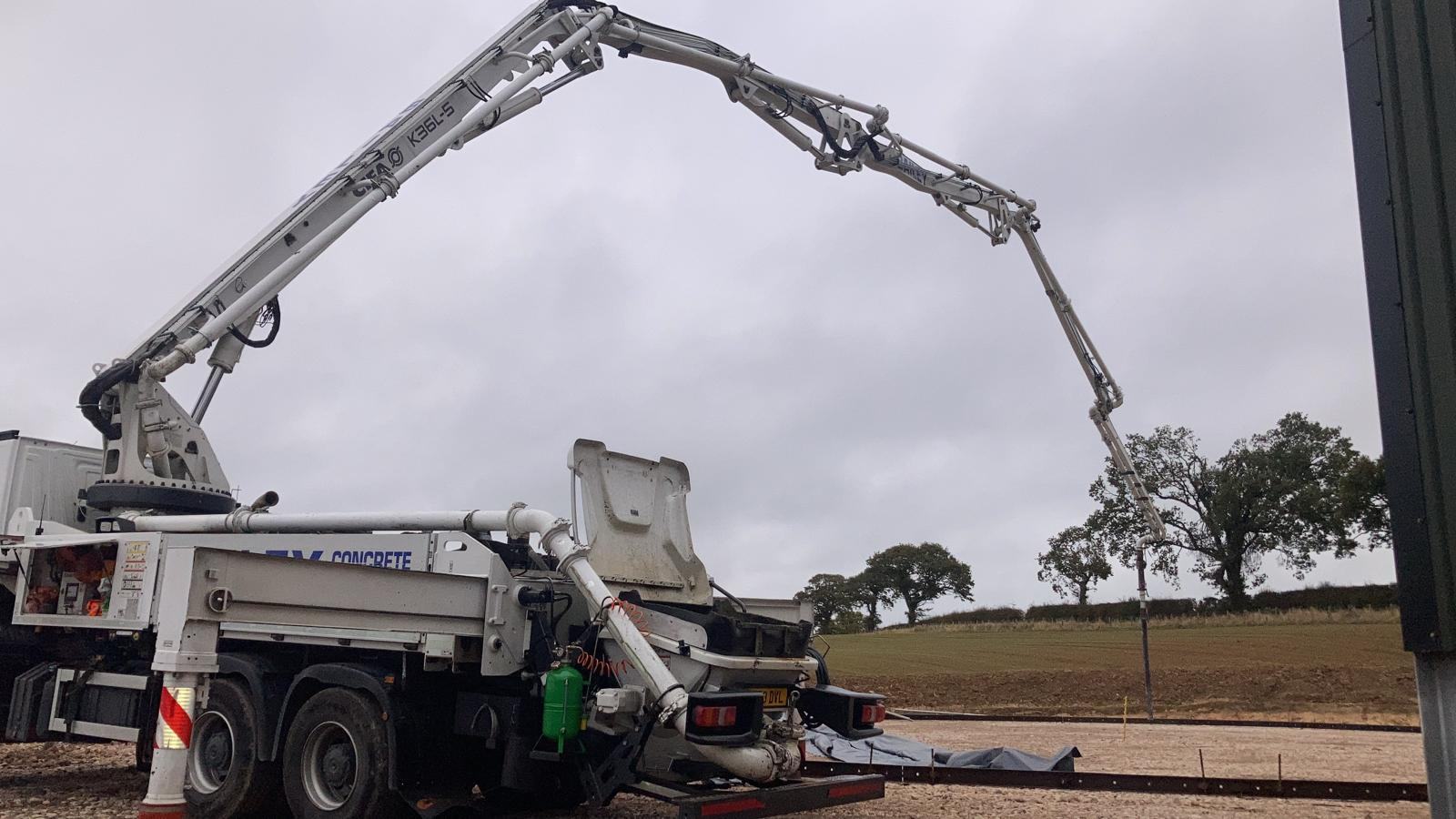
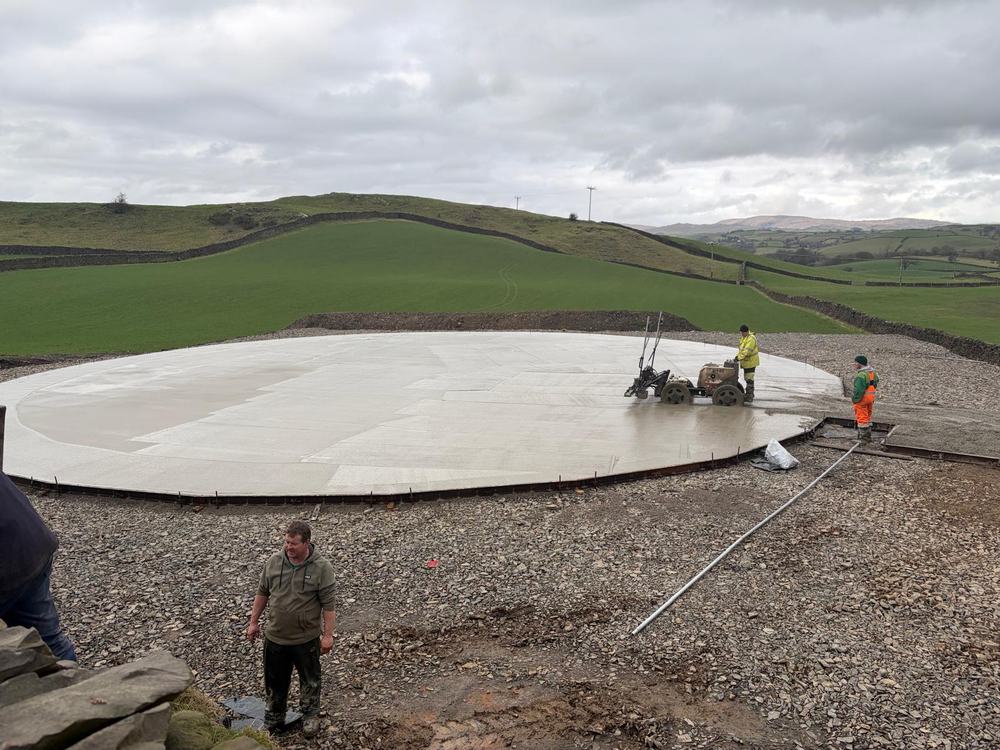
AD installations frequently require purpose-built concrete structures or bases, which might support digester equipment, tanks, pumps, separators and other machinery. Cost depends on foundation design, dimensions, excavation, sub-base, reinforcement, concrete volume, access, pumping requirements and local ground conditions. The quality of this work matters, because everything installed later depends on accurate levels and suitable foundations.
The farm needs a reliable way of moving slurry from where it is produced or collected to the digestion system — reception tanks, transfer tanks, pumps, channels, new pipework, or alterations to existing slurry systems. Distance matters: placing the digester hundreds of metres from the slurry source may be possible, but it can change pumping, pipework and installation requirements.
Material still needs to be managed after digestion, so digestate storage should be considered from the start rather than treated as an afterthought. Depending on the farm, existing slurry stores may play a role, or additional infrastructure may be required — the regulatory requirements depend on the type and scale of installation.
In England, Environment Agency standard rules for certain permitted AD facilities include requirements covering tank integrity, covered storage, impermeable surfaces, sealed drainage and inspection arrangements — Scotland regulates this separately through SEPA.
Pumps and mixers can be a significant part of the mechanical package, and need to be selected for the actual duty — flow, pressure, slurry consistency, solids, pipe length, vertical lift and operating frequency. Selecting equipment simply because it is cheap can create greater operating costs later if it is unsuitable or unreliable.
Pipework cost depends on considerably more than price per metre. A system may involve slurry pipework, digestate pipework, water, gas services, drainage, valves, fittings, supports, buried sections and road crossings. Installation complexity can quickly become more important than raw material cost.
Electrical work can include power supply, distribution, control panels, cabling, containment, trenches and ducts, connection of pumps and mixers, CHP connection and instrumentation. The existing farm supply needs to be understood early — additional work may be required depending on plant demand and how generated electricity will interact with the farm's electrical system.
Depending on the project, further costs can arise from planning, environmental permitting, drawings, surveys, structural design, electrical design, grid applications and professional advice. Don't assume these are included in the plant manufacturer's quotation unless explicitly stated.
Even highly prefabricated equipment still has to be transported, unloaded, positioned, connected, integrated with farm infrastructure and tested. The cost of installation therefore depends partly on how well the enabling work has been prepared before the equipment arrives — poor preparation can generate expensive delays.
A plant is not complete simply because the physical equipment is standing on the concrete. Systems need to be checked and commissioned, and depending on the contractual scope, responsibilities may be shared between the plant manufacturer, installation contractor, electrical contractor, equipment suppliers and the farmer — this division of responsibility should be established before the project begins.
Potentially. This is one of the benefits of a flexible installation approach. A farm may already have excavators, loaders, experienced staff, local contractors, concrete contacts or practical construction capability. If work can be carried out safely and to the necessary specification, the farmer may choose to retain some elements — other farmers may prefer one contractor to coordinate a much greater proportion of the installation. Neither model is universally better; the important thing is to define responsibility clearly.
Don't simply compare the number at the bottom of the front page. Check whether each quotation includes the digester, CHP, pumps, mixers, tanks, concrete, excavation, pipework, electrical work, controls, delivery, lifting, installation, commissioning, training, service package, planning support and contingency. Two prices that appear £50,000 apart may actually include very different scopes.
Capital cost is only one part of the economic case. Allow for scheduled servicing, CHP and pump/mixer maintenance, replacement components, oils and consumables, downtime, labour, inspections and insurance where relevant. The lowest capital cost is not necessarily the lowest lifetime cost.
Before asking 'How much does an anaerobic digester cost?', it may be more useful to establish what a complete AD installation on your farm would actually require. Once the infrastructure and scope are understood, equipment quotations can be compared on a much more meaningful basis.
Sources
Is AD Worth It for a Dairy Farm?
AD can make sense for dairy farms with reliable slurry, sustained energy demand and a suitable site — but there's no universal return. Here's what actually drives it.
What Size Digester Do I Need?
Digester size can't be calculated from cow numbers alone — it depends on feedstock volume, dry matter, retention time and the farm's actual energy demand.
What Does AD Installation Involve?
Installing an AD plant involves far more than delivering the digester — from site assessment and agreed scope through groundworks, connections, testing and commissioning.
How Long Does AD Installation Take?
Plant erection and total project duration aren't the same thing. Here's the general sequence a farm AD build moves through, and what actually drives the timeline.
Charlie Bell Building supports farm-scale anaerobic digestion installations from site preparation and groundworks through to equipment installation and commissioning support.