Installation
What Does AD Installation Involve?
Installing an AD plant involves far more than delivering the digester — from site assessment and agreed scope through groundworks, connections, testing and commissioning.
10 min readRead Guide

A modular AD plant can go up in days once the site is ready — but 'once the site is ready' is doing a lot of work in that sentence. Here's the fuller picture.
8 min read · Reviewed September 2026
Quick Answer
The physical installation of a modular farm anaerobic digestion plant can be relatively quick once the site is ready, but the complete project takes longer. Site assessment, design, approvals, procurement, groundworks, concrete, tanks, pumps, pipework, electrical work and commissioning all need to be completed in the correct sequence, and several of these stages can run in parallel rather than one after another.
Key Points
Because 'building an AD plant' can mean different things. Someone might mean 'how long does it take to erect the digester?' — or 'how long from deciding to proceed until the farm has an operating AD system?' Those are very different questions, and most of the genuinely useful answer is in the second one.
A farm AD project broadly moves through the following stages, several of which can overlap rather than strictly following one another.
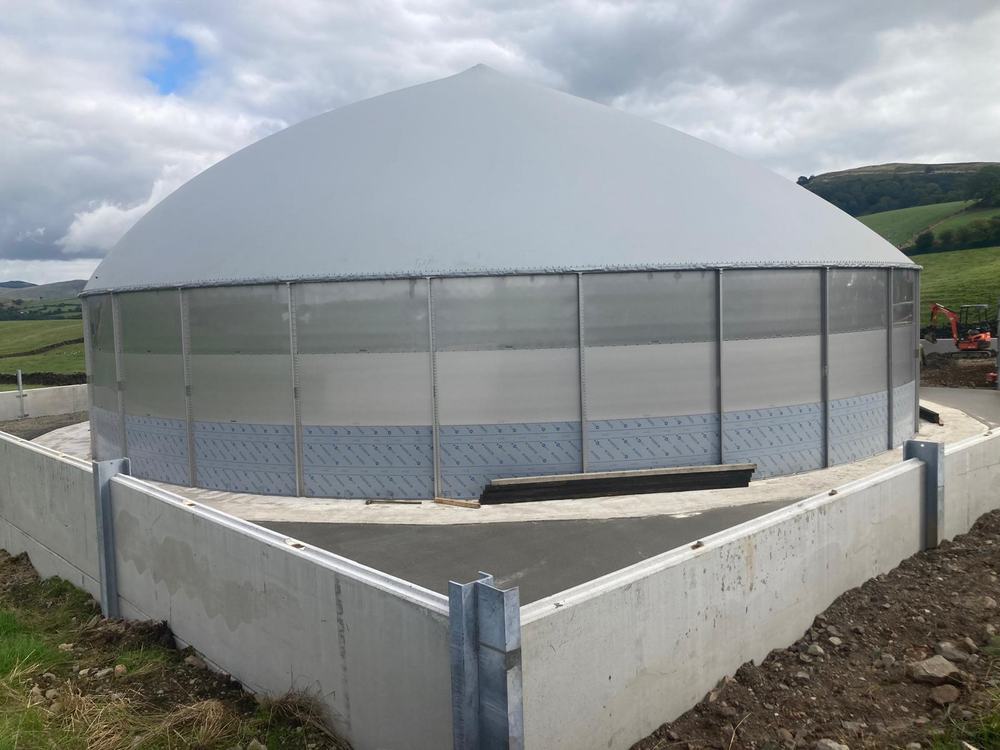
For some modular systems, surprisingly little time. Farmers Weekly reported in March 2026 that a Biolectric installation at Jenkin Cragg Farm, Kendal — a 550-cow herd run by John and Nicola Young — was manufactured in Belgium before delivery to the UK, and because the principal components were prefabricated, the on-site construction of the plant itself took around four days.
But that figure needs to be understood correctly. It doesn't mean a farm can decide to buy an AD plant on Monday and be generating electricity by Friday — the site needs to be ready for those four days to happen, and getting it ready is most of the actual project.
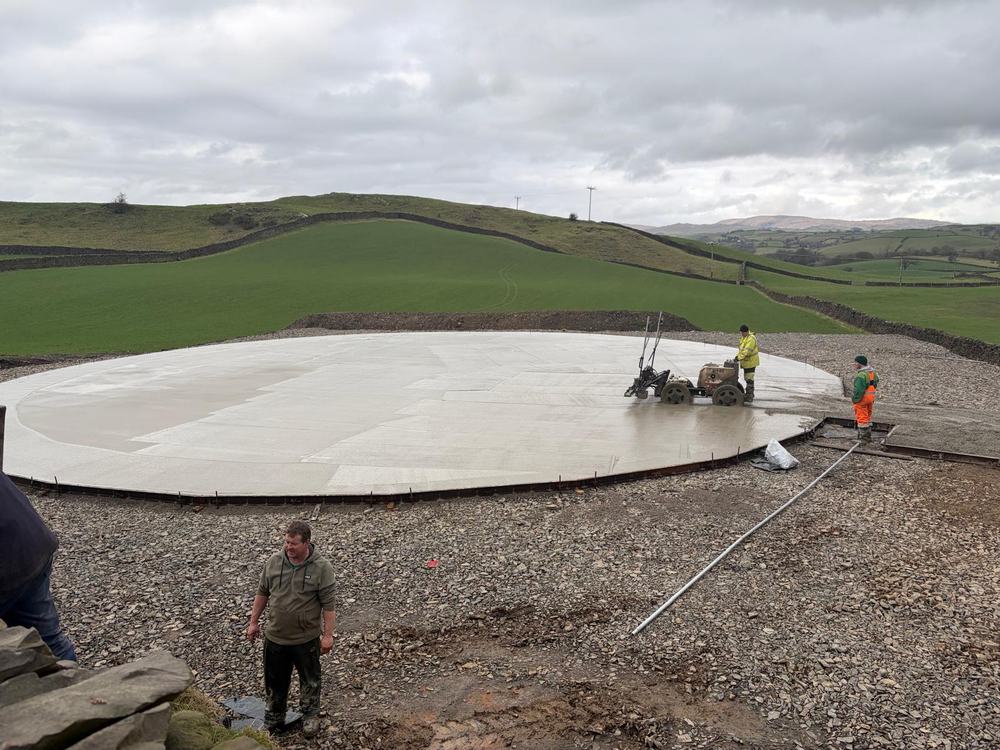
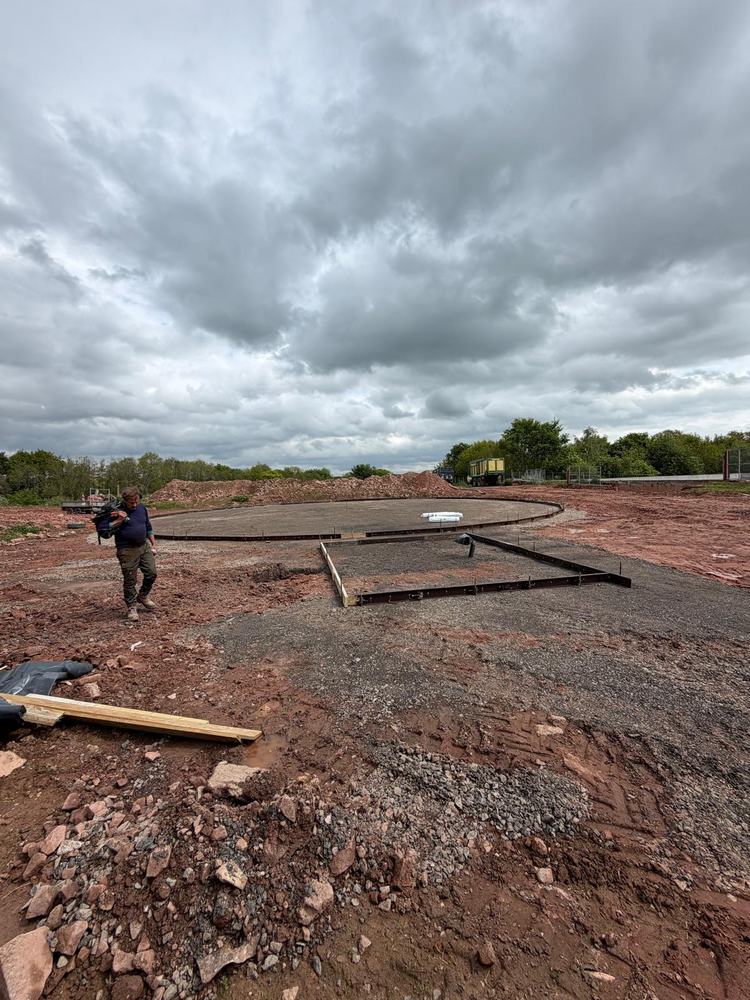
A considerable amount of work is typically planned well before the equipment arrives: the farm survey, layout, scope agreement, planning, equipment selection, quotations, ordering, excavation, concrete, tank work, trenches, pipework and electrical preparation all need to be substantially complete first.
Because not every component is available immediately. Lead times can apply to pumps, mixers, control panels, concrete panels, fabricated steel, galvanised components and electrical equipment. If a pump is needed in six weeks but isn't ordered until week five, no amount of extra labour on site can recover the missing manufacturing time — which is why procurement needs to run ahead of construction, not behind it.
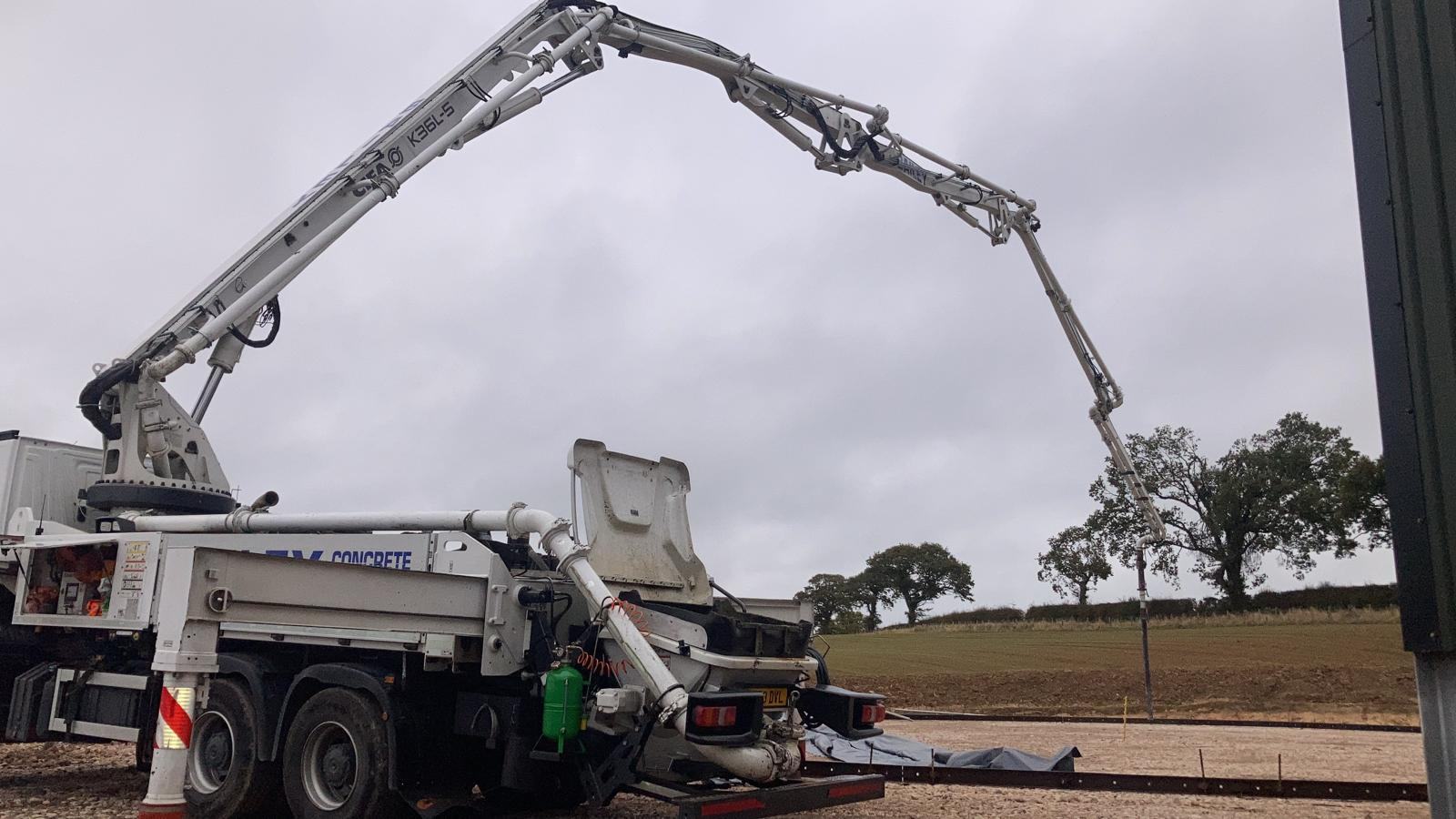
Concrete is a classic programme constraint. The sequence — excavation, sub-base preparation, setting out, reinforcement or formwork, the pour, finishing, curing, then equipment installation — means heavy equipment can't simply be installed immediately after concrete has been poured. The programme needs to allow for the required strength development and the specific engineering requirements of the installation.
Yes, and this is one of the main opportunities to reduce overall project duration. While one part of the site is being prepared, pumps could already be on order, steelwork being fabricated, control equipment being manufactured, and installation drawings being finalised — considerably more efficient than treating the project as 'finish task A, then start thinking about task B'.
Several common factors can extend a project's timeline, and most of them are worth planning around rather than hoping to avoid.
Not necessarily. Once construction is mechanically complete, systems still need to be checked — electrical testing, pump checks, controls, leak checks, system configuration and biological start-up, depending on the installation. The precise commissioning and biological start-up process depends on the plant and manufacturer, and shouldn't be assumed to happen overnight.
Making key decisions early, agreeing the plant location, confirming scope, providing access and existing-services information, avoiding unnecessary late changes, and approving drawings promptly all make a genuine difference. A project with good early decisions and early procurement is considerably easier to deliver efficiently.
When asking how long an AD installation takes, it helps to separate equipment installation time from complete project delivery time. A modular plant may be erected rapidly — the successful project is the weeks or months of planning, procurement and site preparation that allow that rapid installation to happen.
Sources
What Does AD Installation Involve?
Installing an AD plant involves far more than delivering the digester — from site assessment and agreed scope through groundworks, connections, testing and commissioning.
What Groundworks Does AD Need?
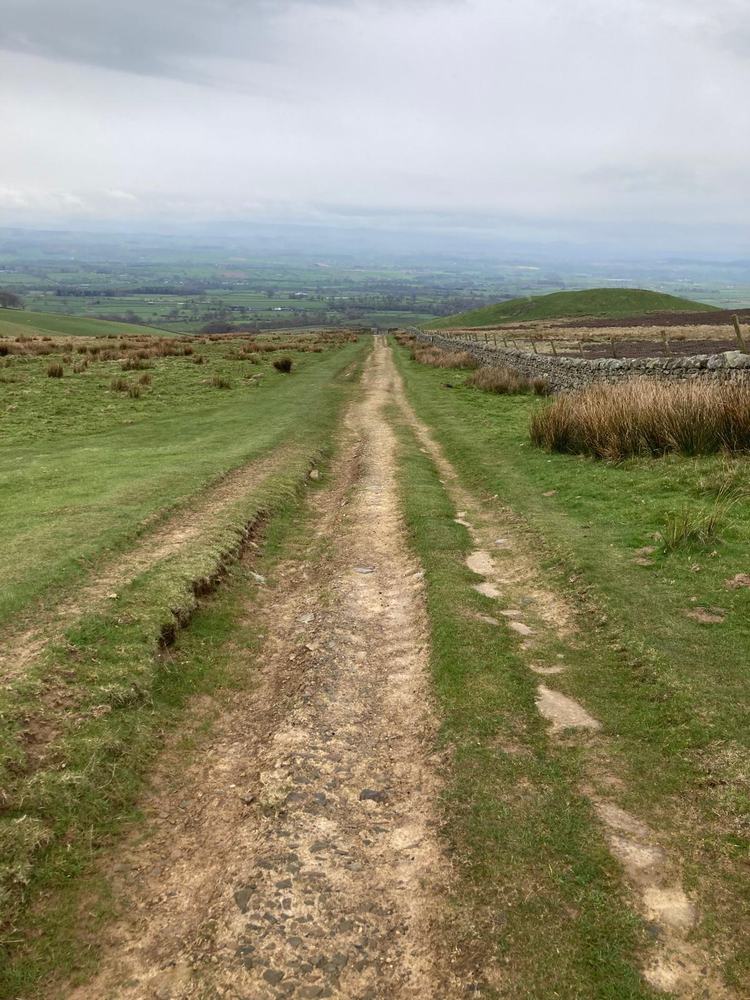
Almost everything else in an AD installation depends on the groundworks being right — levels, foundations, drainage, service routes and future maintenance access.
AD Plant Cost in the UK
There's no single reliable price for a farm AD plant — total project cost depends on the plant plus civils, infrastructure, installation and site-specific requirements.
What Size Digester Do I Need?
Digester size can't be calculated from cow numbers alone — it depends on feedstock volume, dry matter, retention time and the farm's actual energy demand.
Charlie Bell Building supports farm-scale anaerobic digestion installations from site preparation and groundworks through to equipment installation and commissioning support.