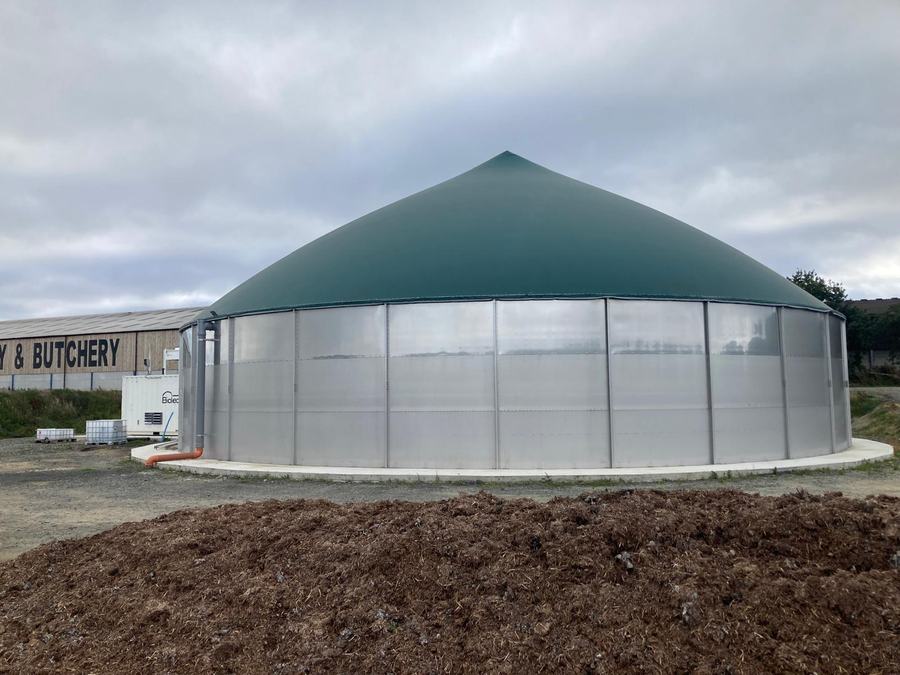
Dairy & Slurry
Is AD Worth It for a Dairy Farm?
AD can make sense for dairy farms with reliable slurry, sustained energy demand and a suitable site — but there's no universal return. Here's what actually drives it.
10 min readRead Guide

Dairy farms combine two things AD needs: a regular feedstock and a regular energy demand. Here's how that works in practice, and where to look next.
9 min read · Reviewed September 2026
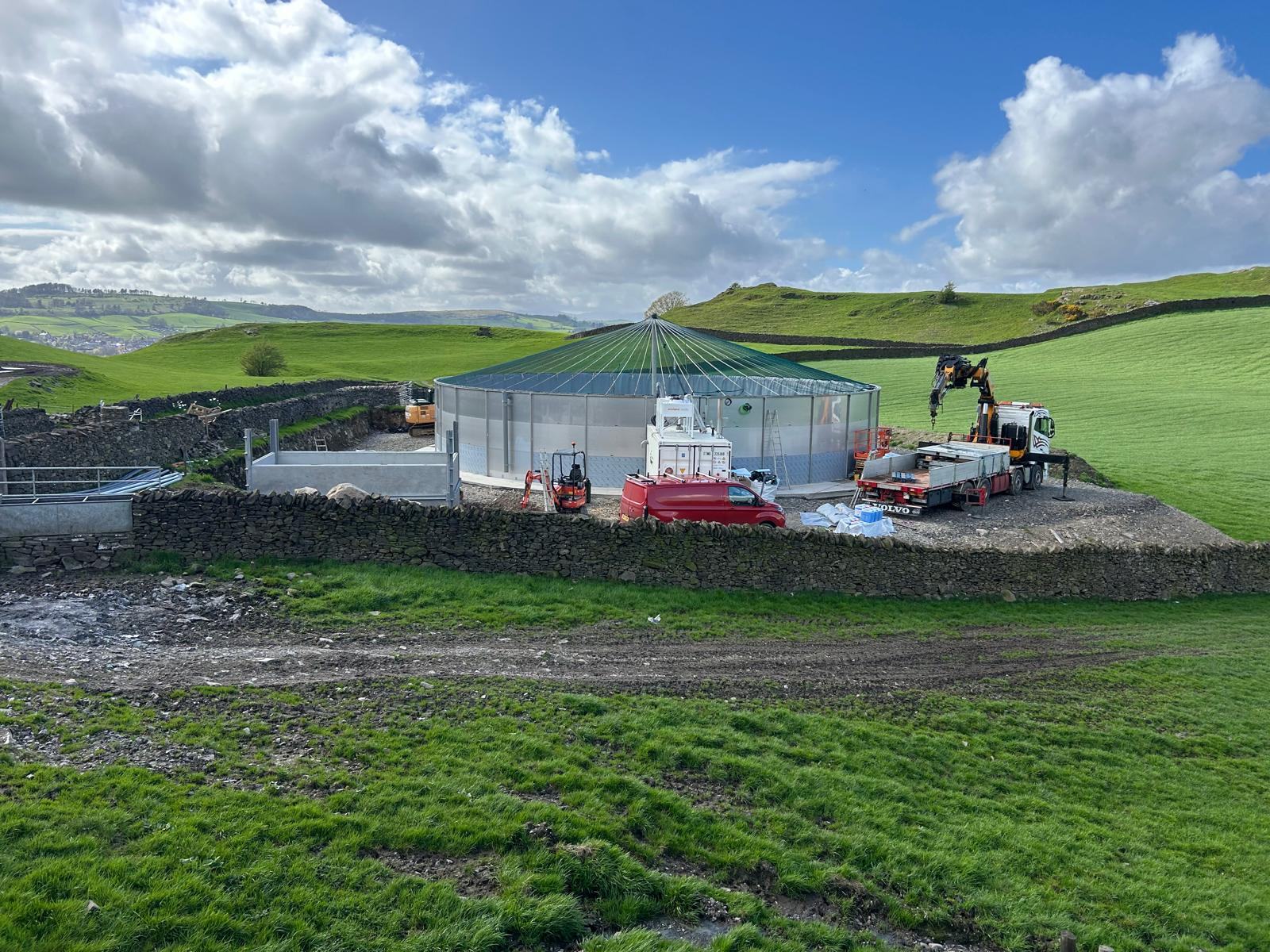
Quick Answer
Anaerobic digestion can allow dairy farms to convert collectable cattle slurry into biogas, which is used to generate electricity and heat. Digestate remains after the process and can be returned to land where appropriate. Whether AD makes sense depends on slurry availability, herd management, farm energy demand, site layout, infrastructure and project economics.
Key Points
Dairy farms can combine a regular organic feedstock with a regular energy requirement. Slurry is already being produced as part of the livestock operation, while dairy equipment — milking, robotic milking, milk cooling, refrigeration, water heating, pumping and lighting — can create sustained electricity demand. This combination can make slurry-fed AD particularly interesting for a dairy business.
Defra's Farm Practices Survey tracks how many English holdings process material through AD, and the trend has been rising over recent survey years — increasing agricultural engagement with the technology, even though only a minority of holdings currently have their own installation.
The simplified process runs from cows, through slurry collection, into the digester, producing biogas, then through CHP to electricity and heat. Digestate then leaves the digester and returns to the farm's nutrient cycle.
Farm suitability should be assessed around real conditions rather than a simple herd threshold — how many cattle are housed and for how long, how much slurry is actually collected, the farm's electricity profile, available space, and where digestate would be stored, covered in more depth in our guide on assessing farm suitability for AD.
Real UK examples span a wide range. Askham Bryan College's teaching dairy farm runs a 22kW Biolectric digester (the 'Electric Cow' project) alongside its roughly 180-cow herd. Alderstone Mains Farm in southeast Scotland runs a Biolectric digester alongside 350 cows milked through six robotic milkers, chosen specifically to provide the continuous power the robots need. These are real examples, not sizing rules — see our dedicated guide on digester sizing for how to work out what your own farm needs.
Potential requirements include concrete, groundworks, slurry transfer, tanks, pumps, mixers, pipework, electrical cabling, digestate storage, plant access and commissioning support. For Charlie Bell Building, this physical integration — not the digester in isolation — is the core area of experience.
No. A farmer may want to use their own machinery, local groundwork contractors, existing electricians and their own labour, or want CBB to undertake and coordinate considerably more. The project scope can be built around the farm.
Sources
Is AD Worth It for a Dairy Farm?
AD can make sense for dairy farms with reliable slurry, sustained energy demand and a suitable site — but there's no universal return. Here's what actually drives it.
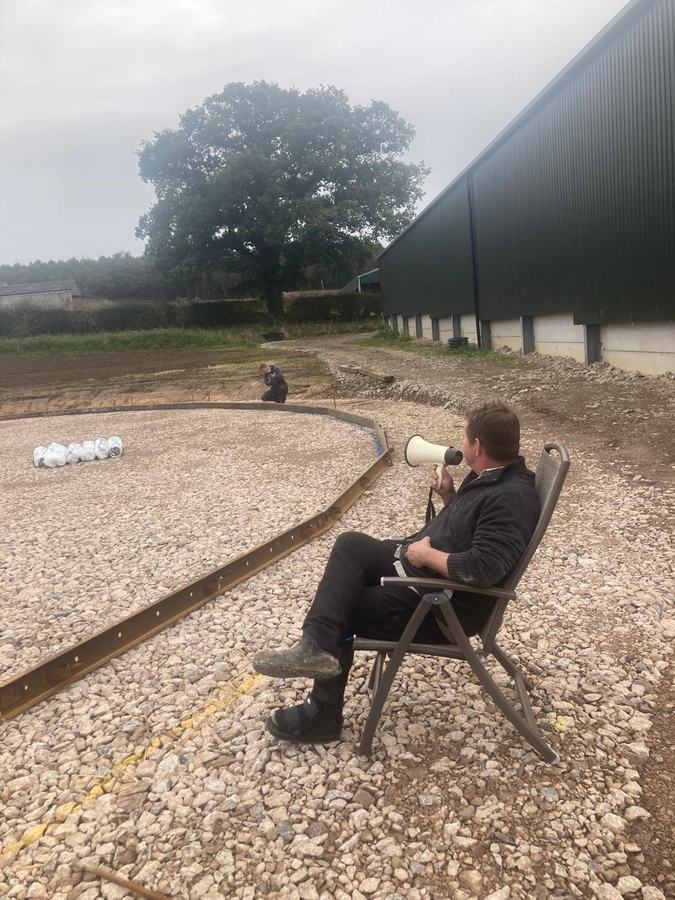
Is My Farm Suitable?
Ten practical questions covering slurry, energy, site and storage — a starting checklist for assessing whether AD could genuinely work on your farm.
How Many Cows Do You Need?
Herd size is only a starting point. What matters more is how much slurry can actually be collected, how consistently, and the farm's energy demand.
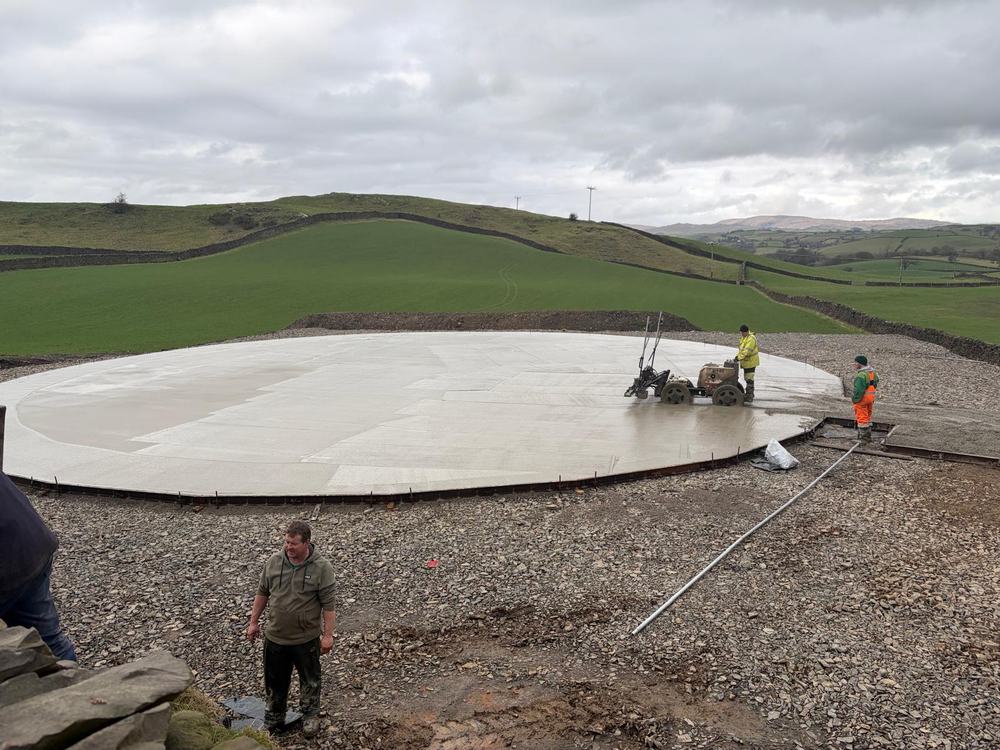
What Does AD Installation Involve?
Installing an AD plant involves far more than delivering the digester — from site assessment and agreed scope through groundworks, connections, testing and commissioning.
Charlie Bell Building supports farm-scale anaerobic digestion installations from site preparation and groundworks through to equipment installation and commissioning support.