Installation
AD Installation Readiness Checklist
A practical, section-by-section checklist covering scope, site, concrete, slurry, pipework, electrical, equipment, logistics and outstanding decisions.
8 min readRead Guide

Most installation delays are easier and cheaper to solve before the installation team arrives. Here's what commonly causes them, and how a readiness check helps.
8 min read · Reviewed September 2026
Quick Answer
Many problems on an AD installation project arise outside the digester itself. Late decisions, incomplete groundworks, missing equipment, poor access, incorrectly positioned services and unclear responsibility can all delay installation. Most of these are straightforward to prevent with early planning and a proper readiness check before the installation team arrives.
Key Points
It's tempting to assume installation risk lives in the plant technology, but in practice most delays come from the enabling work around it — groundworks, procurement, coordination and decision-making. This is practical project experience, not a criticism of any particular farmer or supplier: every AD project involves the same categories of risk, and most of them are entirely manageable with early planning.
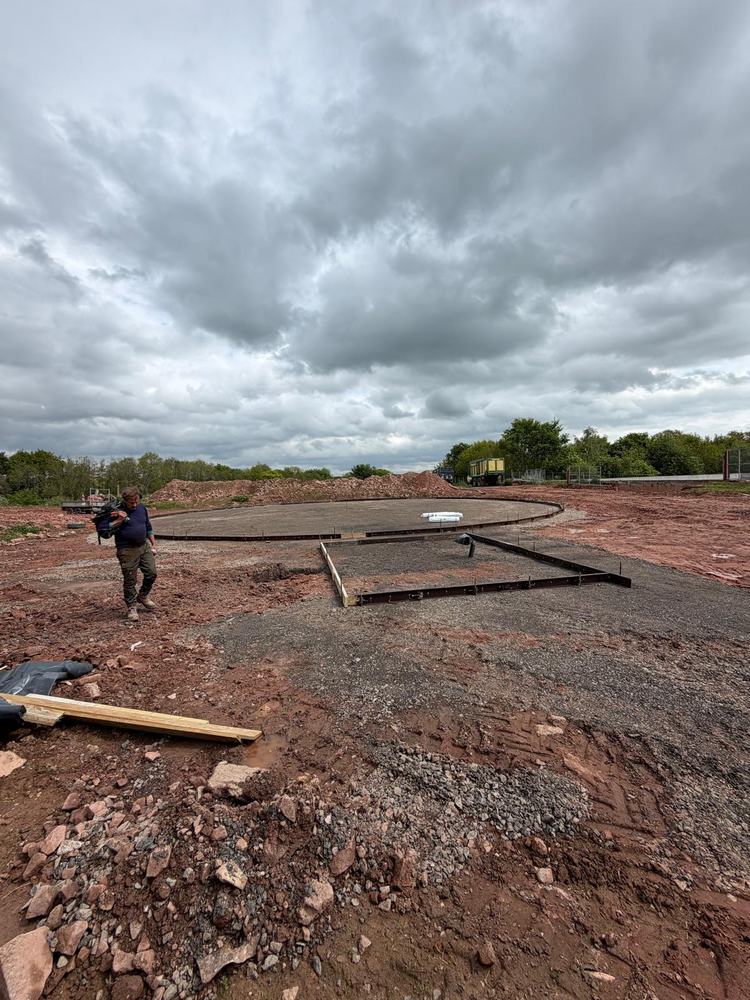
Starting groundworks before the layout, scope and equipment requirements are properly settled is one of the most common sources of avoidable cost. A layout change after concrete has been poured or trenches dug is far more disruptive than the same change made on paper beforehand — it can mean reworking foundations, moving pipe routes, or reordering equipment.
Pumps, mixers, control panels and fabricated steelwork can all have significant lead times, and ordering them late relative to the construction programme is a common cause of a finished site sitting idle waiting for one missing part. Procurement needs to run ahead of construction, not behind it — covered in more depth in our guide on how long an AD build actually takes.
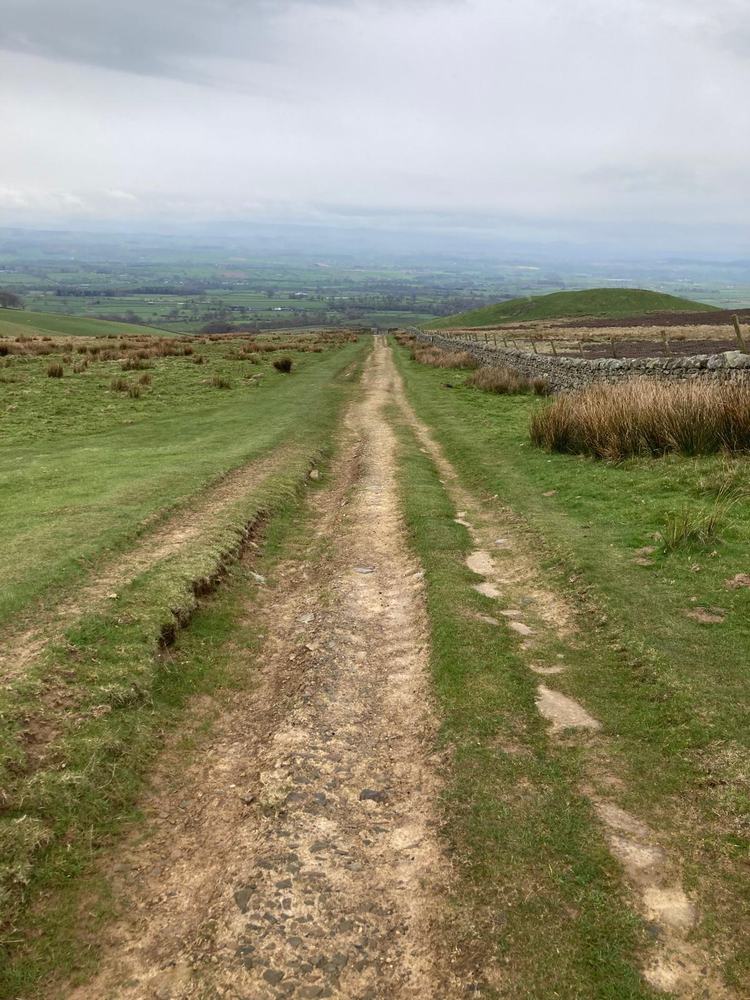
Access that looks adequate on a farm plan can turn out to be too tight for a concrete wagon, crane or delivery vehicle once construction actually starts. Similarly, small level errors discovered late — after concrete has been poured — can affect pipe falls, equipment alignment and drainage in ways that are expensive to correct after the fact rather than caught during setting out.
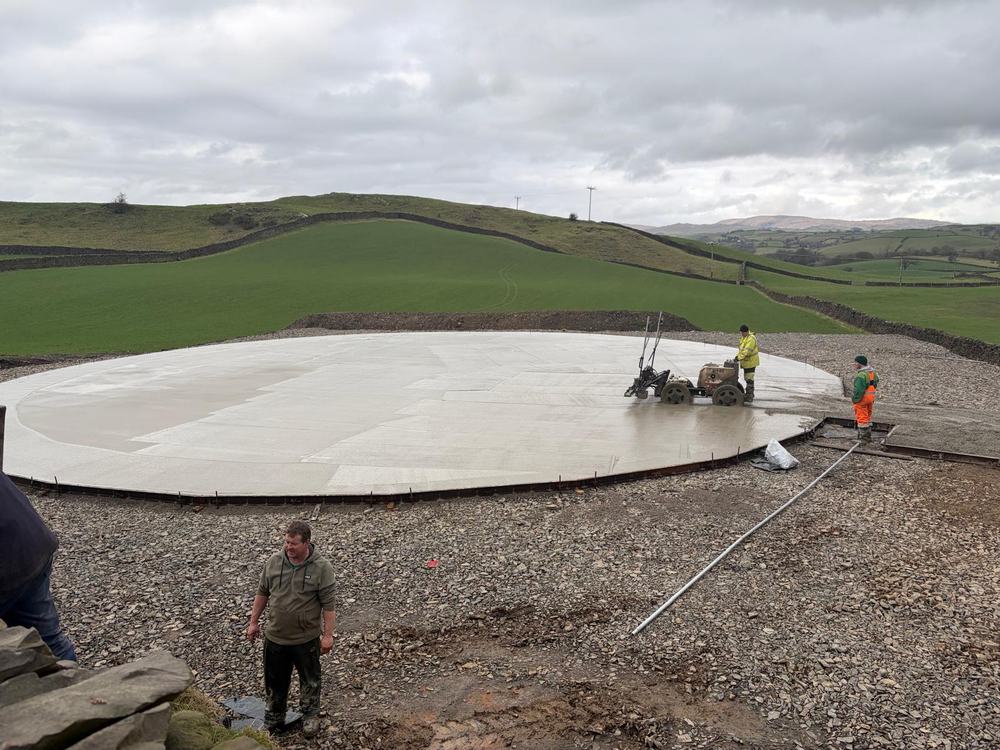
Concrete needs adequate curing time before it can take equipment loads, and a programme that doesn't allow for this can force an awkward choice between delaying delivery or risking the new concrete. Incorrectly positioned pipe penetrations or equipment fixings are a related problem — errors of a few hundred millimetres that don't matter on paper can become a real obstacle once expensive equipment is on site and needs to connect to them.
Digging separate trenches for slurry pipework, electrical ducting and drainage at different times, rather than planning and excavating them together, wastes time and disturbs the same ground repeatedly. An unclear or late-decided slurry transfer route causes similar problems — it affects pump selection, pipe sizing and the whole layout, and needs settling early rather than worked out once trenching has already started.
Electrical ducting and cable routes are best installed while other trenches are open — leaving this until later means digging the same ground again. Insufficient maintenance access is a slower-burning problem: equipment installed without enough room to remove or service it later doesn't cause a delay on installation day, but it creates avoidable difficulty for years afterwards.
Supplier and fabrication delays happen on real projects and are worth building some programme flexibility around. Scope changes from the farmer partway through — deciding to take on or hand over more work than originally agreed — are manageable if flagged early, but disruptive if they surface once work is under way. The single most preventable version of this is unclear contractor responsibility: if it isn't obvious who is responsible for a given piece of work, it tends not to get done on time by anyone.
Groundworks and concrete are weather-dependent, and wet ground conditions can genuinely halt excavation and pours, particularly over winter. This isn't avoidable, but building reasonable contingency into the programme, rather than assuming ideal conditions throughout, reduces how disruptive it ends up being.
Most of what's covered above is easier and cheaper to fix on paper, or with a site check, than once the installation team and equipment are already on site. A structured readiness check before delivery — covered in full in our installation readiness checklist — catches the majority of these issues while they're still straightforward to resolve.
Sources
AD Installation Readiness Checklist
A practical, section-by-section checklist covering scope, site, concrete, slurry, pipework, electrical, equipment, logistics and outstanding decisions.
What Does AD Installation Involve?
Installing an AD plant involves far more than delivering the digester — from site assessment and agreed scope through groundworks, connections, testing and commissioning.
What Groundworks Does AD Need?
Almost everything else in an AD installation depends on the groundworks being right — levels, foundations, drainage, service routes and future maintenance access.
AD Pumps & Mixers
Pumps and mixers keep an AD plant's biology and material transfer working — selecting and installing them around the actual duty matters as much as choosing the digester.
Charlie Bell Building supports farm-scale anaerobic digestion installations from site preparation and groundworks through to equipment installation and commissioning support.