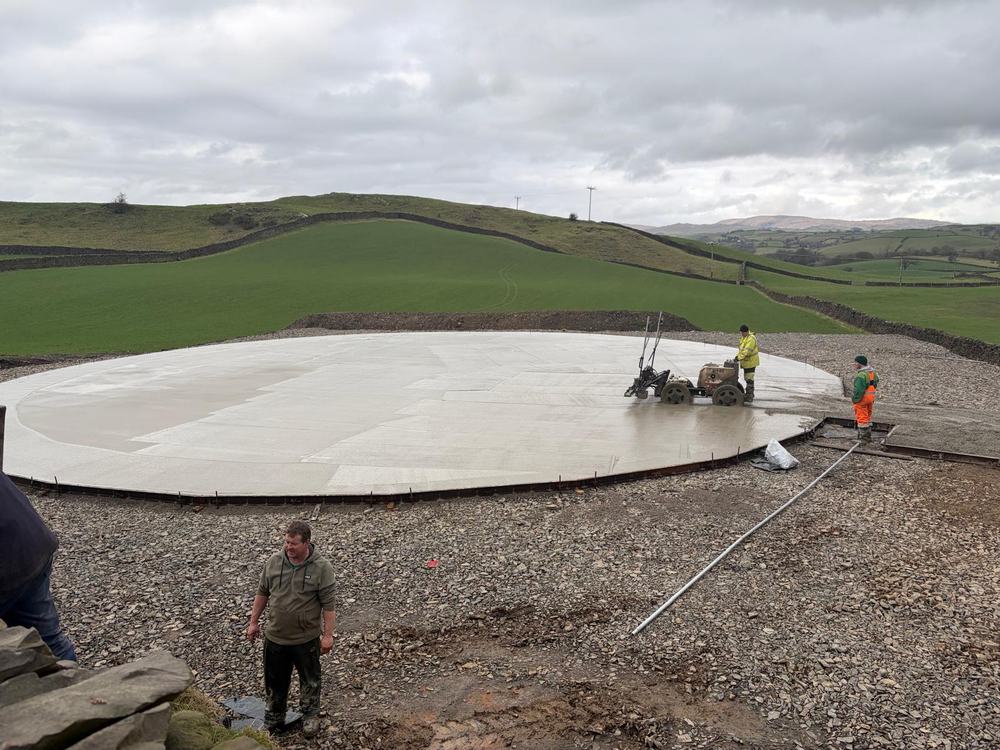
Installation
Common AD Installation Problems
Most installation delays trace back to something outside the digester itself — late decisions, incomplete groundworks or an unclear division of responsibility.
8 min readRead Guide

A short readiness check before the installation team arrives catches most of what causes delay. Here's what it should cover, in one place.
8 min read · Reviewed September 2026
Quick Answer
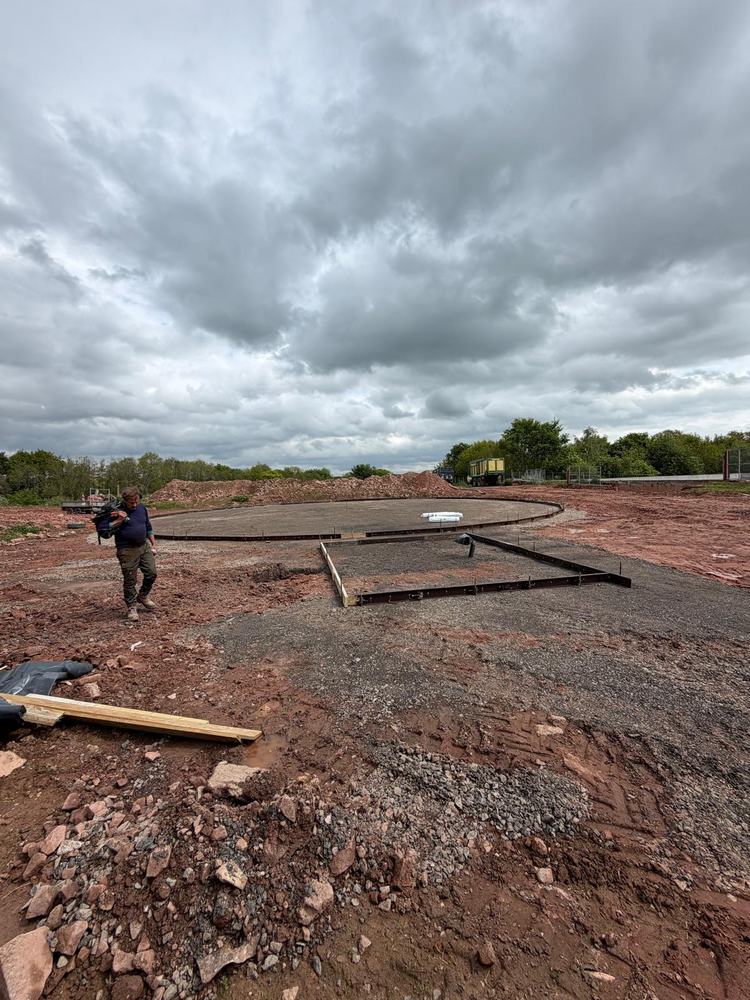
Before an AD installation team arrives, a farm should have its scope and layout confirmed, groundworks and concrete substantially complete, slurry and pipework routes agreed, electrical preparation coordinated, equipment and fabricated components accounted for, and delivery logistics arranged. A short readiness check against each of these areas catches most avoidable delays before they become expensive.
Key Points
Most of the problems covered in our guide on common AD installation problems are avoidable with a structured check before the installation team and equipment arrive. This isn't about perfection — it's about catching the items that are cheap to fix now and expensive to fix later.
Project information
Site
Concrete
Slurry
Pipework
Electrical
Equipment
Logistics
Documents and decisions
The value of a checklist like this isn't in ticking every box in isolation — it's in surfacing the two or three items on a given project that genuinely aren't ready yet, while there's still time to sort them out. Worth revisiting a few weeks before delivery, and again just before the installation team is due on site.
Sources
Common AD Installation Problems
Most installation delays trace back to something outside the digester itself — late decisions, incomplete groundworks or an unclear division of responsibility.
What Does AD Installation Involve?
Installing an AD plant involves far more than delivering the digester — from site assessment and agreed scope through groundworks, connections, testing and commissioning.
What Groundworks Does AD Need?
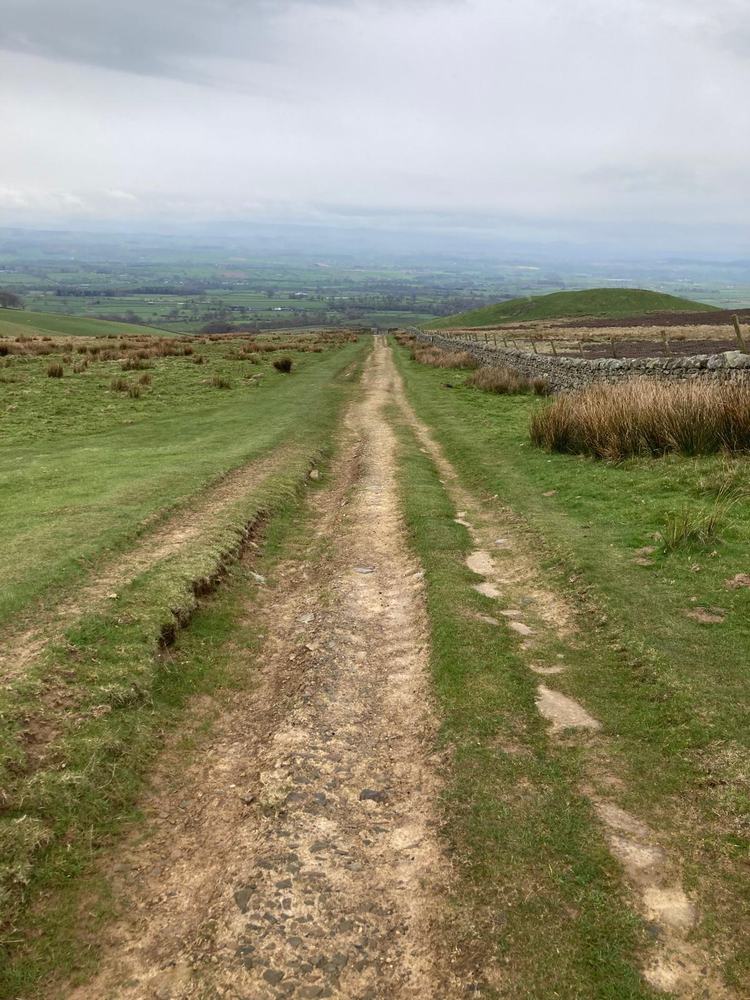
Almost everything else in an AD installation depends on the groundworks being right — levels, foundations, drainage, service routes and future maintenance access.
AD Pipework
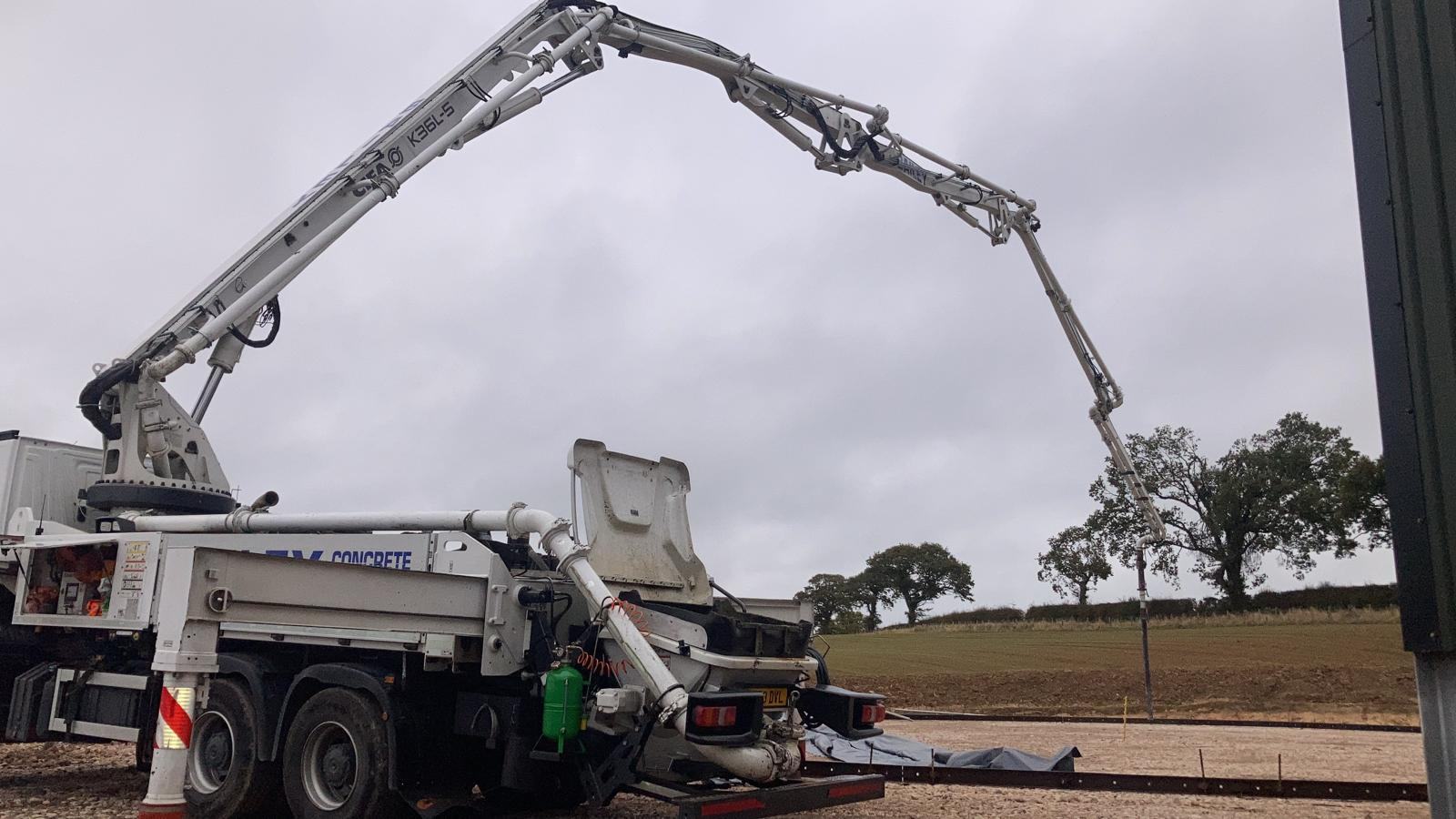
The shortest pipe route isn't always the best one. Route, bends, valves and future maintenance access all shape what a real AD pipework design looks like.
Charlie Bell Building supports farm-scale anaerobic digestion installations from site preparation and groundworks through to equipment installation and commissioning support.