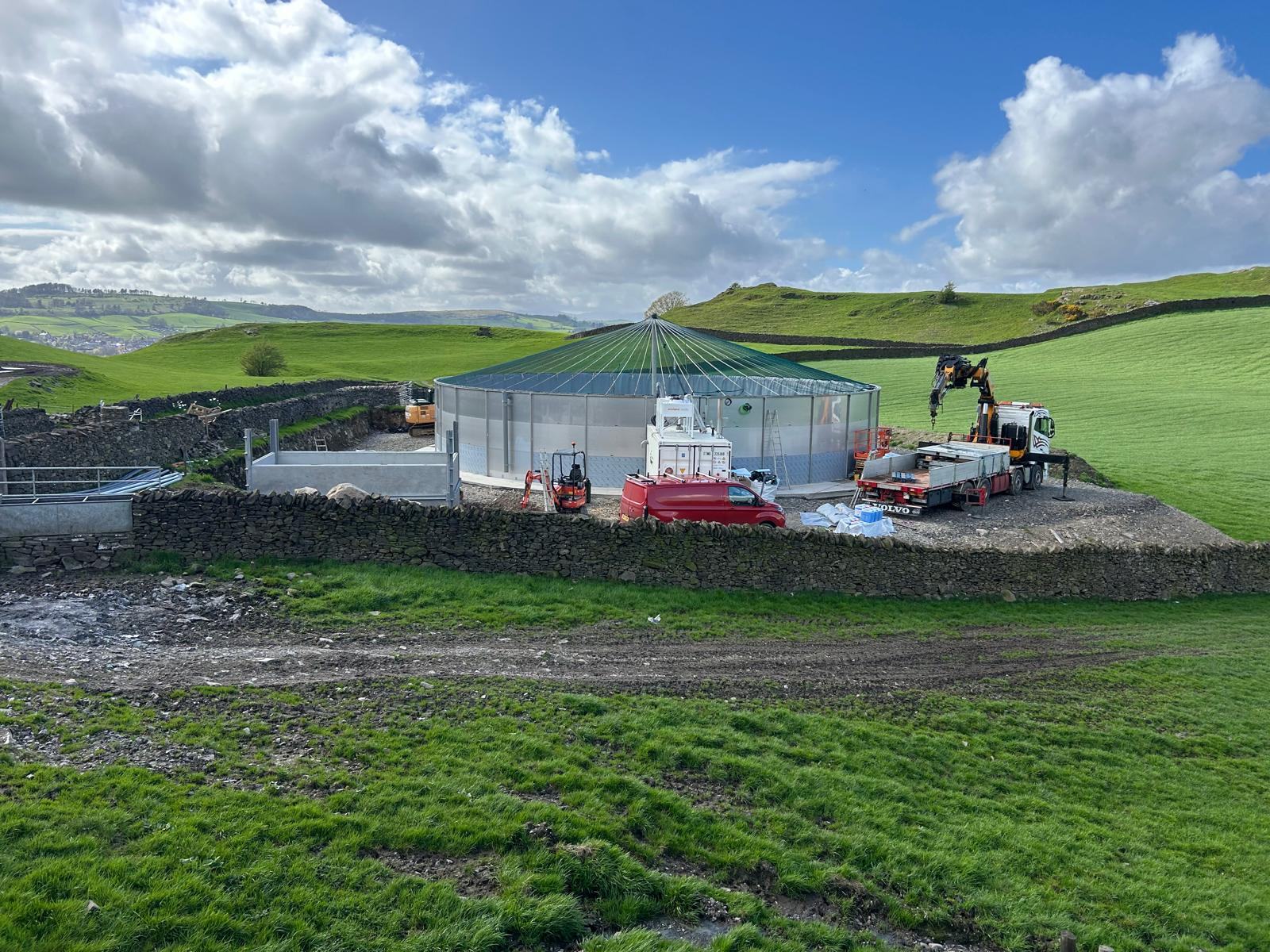
Costs & Feasibility
AD: Advantages & Disadvantages
AD can turn slurry into energy and retain its nutrients as digestate — but it needs real capital, space, feedstock and ongoing maintenance. Here's the honest balance.
8 min readRead Guide

AD is safe when it's properly designed, installed and maintained — which means understanding the real hazards involved, not assuming automation removes them.
6 min read · Reviewed September 2026
Quick Answer
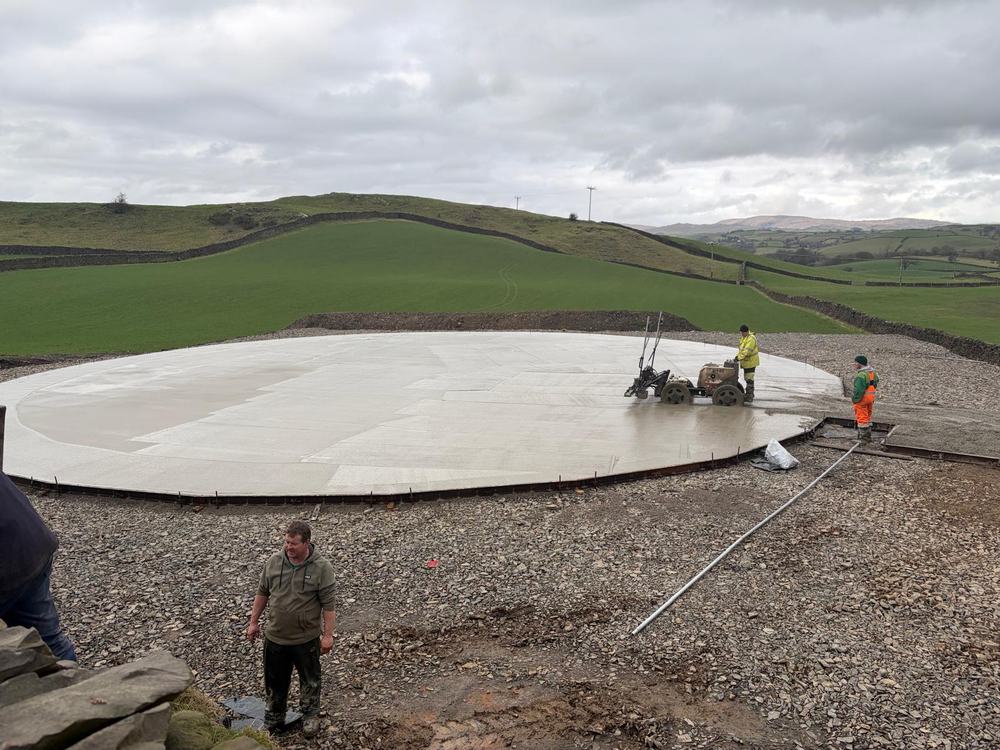
Anaerobic digestion is an established technology, but it involves genuine hazards that need to be properly designed and managed. These can include flammable biogas, machinery, electrical equipment, pressure systems, hazardous substances and confined spaces. A farm AD installation therefore requires appropriate engineering, operating procedures, maintenance and competent personnel.
Key Points
Biogas contains methane, and methane is combustible — precisely why it can be used as an energy source. That also means gas containment, ventilation, ignition control and appropriate equipment are important, and non-negotiable parts of the design.
HSE highlights several regulatory and safety areas relevant to anaerobic digestion, including dangerous substances and explosive atmospheres (DSEAR), pressure systems, confined spaces, electrical safety and hazardous substances. HSE has previously carried out targeted inspections of farm-based AD plants, reflecting real, ongoing regulatory attention in this area rather than a theoretical risk.
AD systems contain moving machinery, which should be correctly installed, appropriately guarded, isolated before maintenance and accessible for servicing. Tanks and vessels can create particularly serious hazards — entering a tank should never be treated as equivalent to entering an ordinary empty structure, since confined-space risks can include oxygen deficiency, toxic gases, flammable atmospheres and engulfment. Work in or around these spaces needs appropriate assessment and controls, and installations should be designed, wherever possible, so that routine maintenance doesn't require confined-space entry at all.
AD plants can include generators, pumps, motors, control panels, sensors and cabling. Electrical installation and maintenance should be undertaken by competent people to the applicable standards, not treated as a general trades task.
Automation can improve control and monitoring, but it doesn't remove the need for safe design and maintenance. Sensors and controls may monitor temperature, levels, pressure and equipment status, but operators still need to know what to do when the system reports an abnormal condition.
Poor physical installation can introduce avoidable hazards — inaccessible isolation valves, poorly protected cables, unsafe maintenance access, inappropriate equipment positioning and inadequate containment. Safety should be considered when the plant is being laid out, not added after construction.
Sources
AD: Advantages & Disadvantages
AD can turn slurry into energy and retain its nutrients as digestate — but it needs real capital, space, feedstock and ongoing maintenance. Here's the honest balance.

What Groundworks Does AD Need?
Almost everything else in an AD installation depends on the groundworks being right — levels, foundations, drainage, service routes and future maintenance access.
What Does AD Installation Involve?
Installing an AD plant involves far more than delivering the digester — from site assessment and agreed scope through groundworks, connections, testing and commissioning.
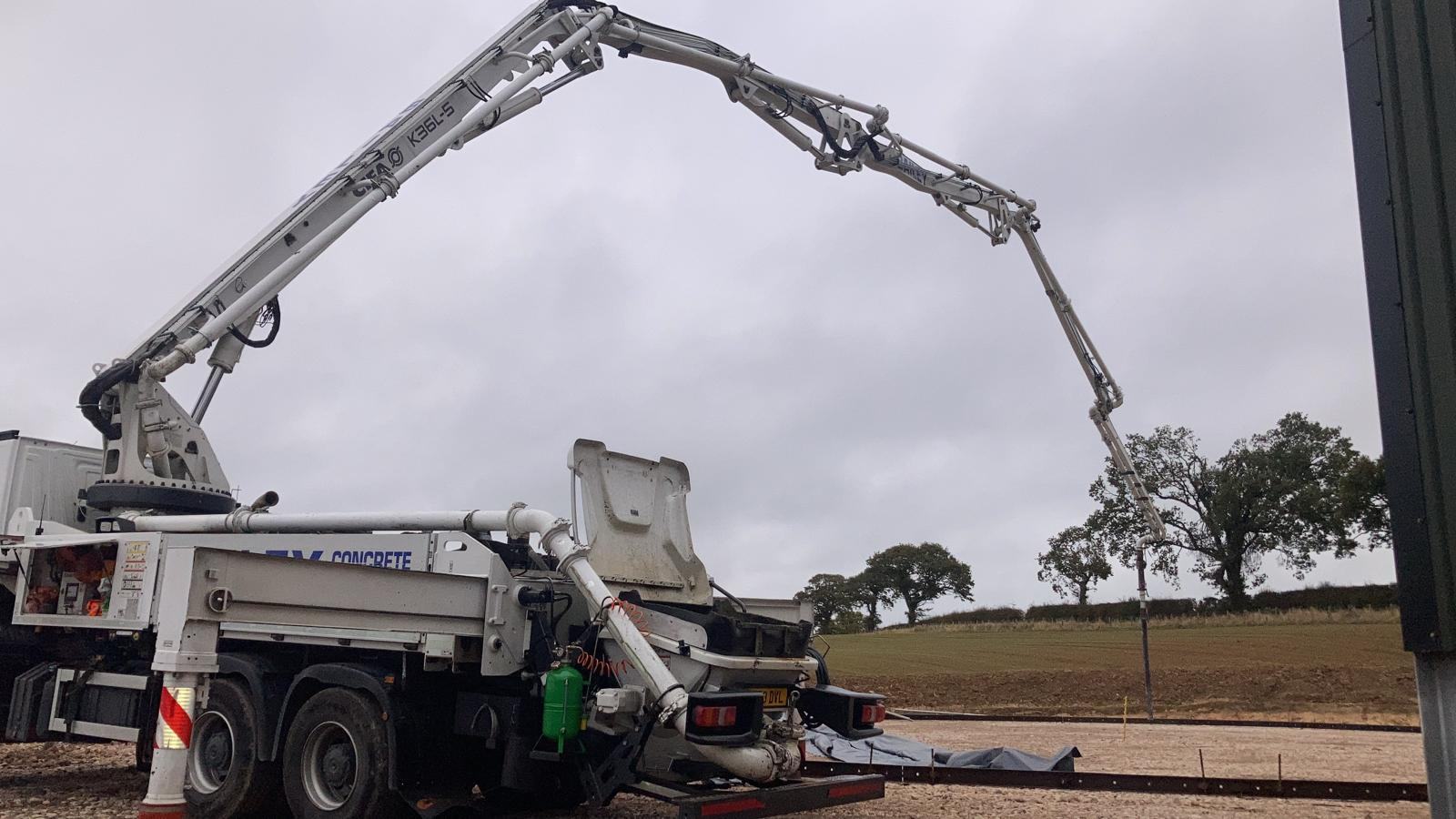
Concrete for AD Plants
Concrete bases, tanks and equipment pads for an AD plant need project-specific design — loads, ground conditions and levels vary too much for a generic spec.
Charlie Bell Building supports farm-scale anaerobic digestion installations from site preparation and groundworks through to equipment installation and commissioning support.