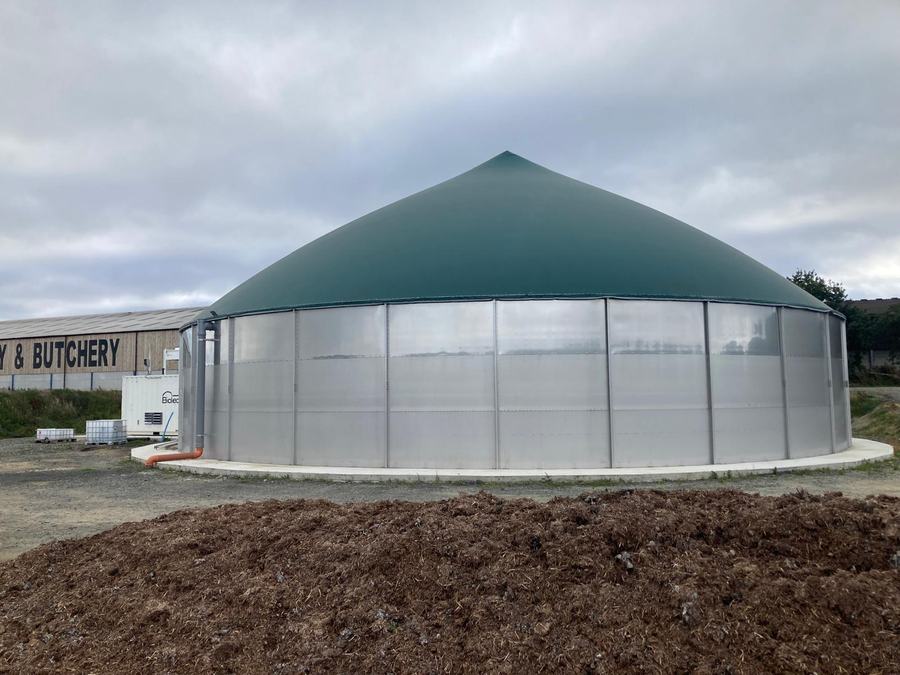
Dairy & Slurry
Is AD Worth It for a Dairy Farm?
AD can make sense for dairy farms with reliable slurry, sustained energy demand and a suitable site — but there's no universal return. Here's what actually drives it.
10 min readRead Guide

Neither 'AD is great' nor 'AD is risky' is a useful answer on its own. Here's a balanced look at what it actually offers, and what it actually costs.
8 min read · Reviewed September 2026
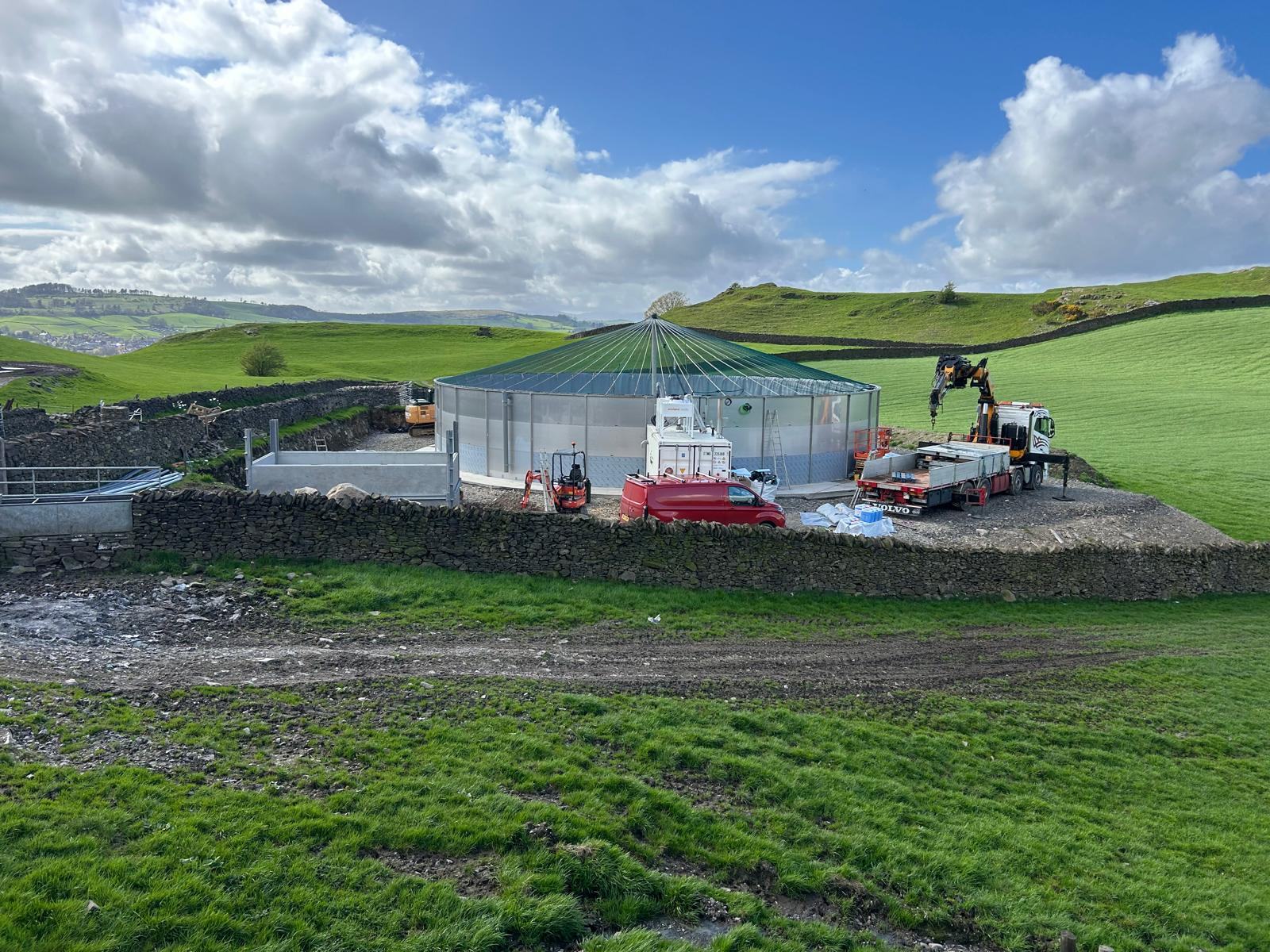
Quick Answer
Anaerobic digestion can allow farmers to produce useful energy from slurry and other suitable organic materials while retaining nutrients in digestate. However, AD also requires significant capital investment, suitable feedstock, physical infrastructure, maintenance and ongoing management. Whether the advantages outweigh the disadvantages depends on the individual farm.
Key Points
For dairy farms, one of the most attractive features is the ability to use a material the farm is already producing. Cattle slurry contains biodegradable organic matter, and anaerobic digestion captures some of that energy as biogas for energy generation. For qualifying farm AD operations in England, Environment Agency guidance explicitly recognises burning the resulting biogas to provide power on the farm or export electricity to the National Grid.
Unlike solar, biogas generation doesn't directly stop when the sun goes down — a stable AD process can produce biogas throughout the day, which can be particularly interesting for dairy farms with sustained loads from robotic milking, milk cooling, refrigeration, pumps, ventilation and lighting.
CHP produces heat as well as electricity — some is needed by the digestion process itself, with additional useful heat potentially available depending on the installation. AD also doesn't remove the nutrients contained in slurry: the remaining digestate can provide an agricultural nutrient resource, and where the only waste feedstock under England's T24 exemption is farmyard manure or slurry, the Environment Agency accepts that digestate can be spread as fertiliser without being regulated as waste, though other agricultural rules still apply.
Even relatively small farm AD systems represent a significant investment, and the cost extends well beyond the digester itself — concrete, groundworks, tanks, pumps, mixers, pipework, cabling, electrical work, controls, installation and commissioning all add to the total, as covered in our cost guide.
An AD plant is active mechanical and biological infrastructure — pumps, mixers and CHP engines require servicing, and downtime should form part of any financial assessment. Although modern farm systems can be highly automated, they aren't entirely passive: someone still needs to understand how the plant is operating and respond when something is wrong.
A plant designed around slurry needs sufficient collectable slurry, and a large herd doesn't automatically guarantee this — housing arrangements, grazing and wash water all affect the feedstock actually available, as covered in our guide on herd size and slurry availability.
The installation needs room not just for the digester, but potentially tanks, equipment, access, pipework, CHP and digestate storage. AD also involves combustible gas, machinery, electrical systems, tanks and potentially confined spaces — HSE identifies legislation and hazards relevant to AD including DSEAR (dangerous substances and explosive atmospheres), pressure systems, confined spaces, electricity at work and COSHH, all of which need proper management rather than being treated as a formality.
Neither answer is useful in isolation. For the right farm, AD can integrate energy generation with an existing slurry stream. For the wrong farm, it can become expensive infrastructure without sufficient feedstock or energy value. The right question is whether the benefits of AD make sense for this particular farm.
Sources
Is AD Worth It for a Dairy Farm?
AD can make sense for dairy farms with reliable slurry, sustained energy demand and a suitable site — but there's no universal return. Here's what actually drives it.
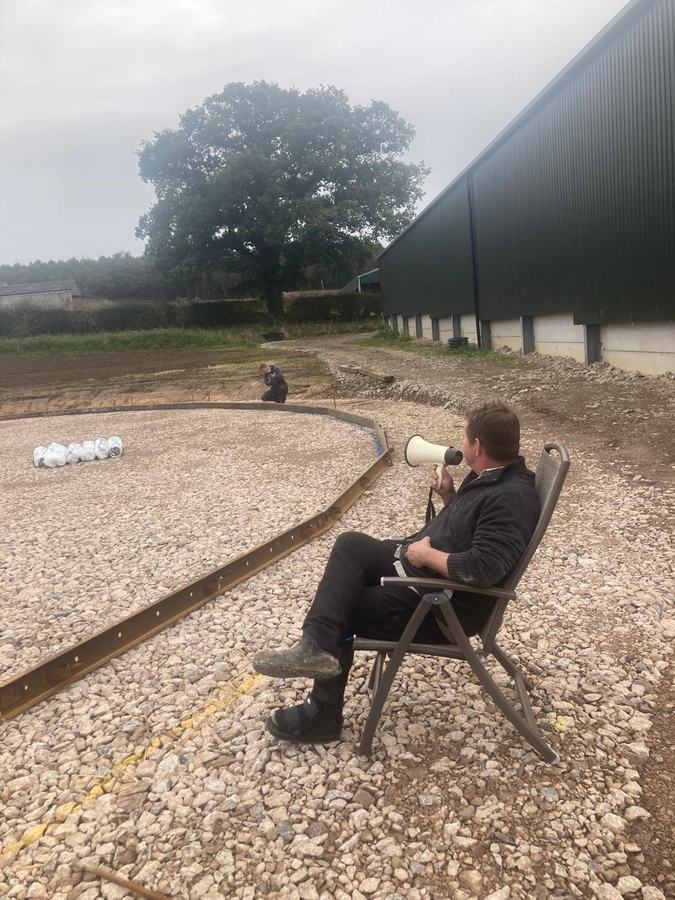
Is My Farm Suitable?
Ten practical questions covering slurry, energy, site and storage — a starting checklist for assessing whether AD could genuinely work on your farm.
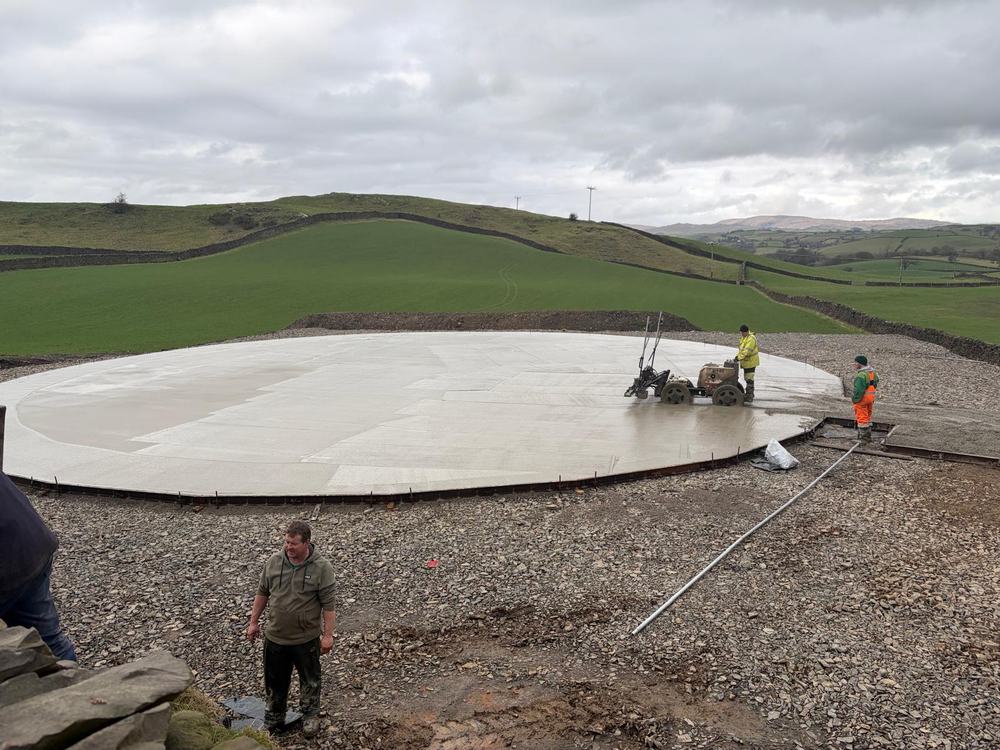
Is AD Safe?
AD is an established technology, but it involves genuine hazards — flammable biogas, machinery, confined spaces and electrical systems all need proper management.
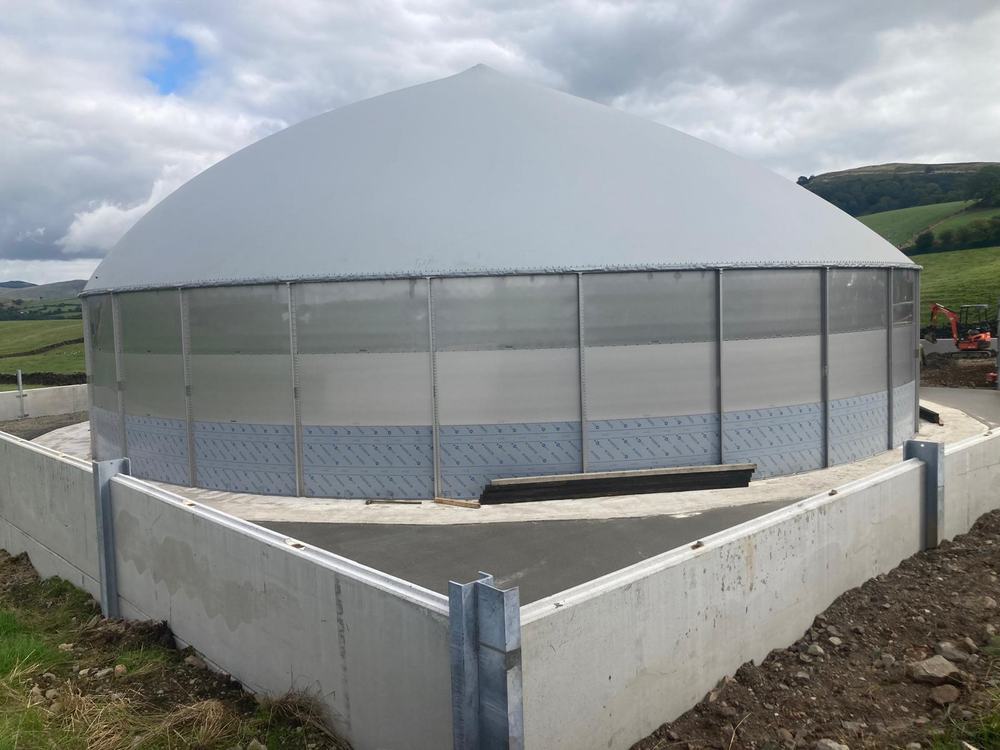
AD vs Solar for Dairy Farms
Solar depends on daylight; AD can generate continuously. For many dairy farms with round-the-clock demand, the two technologies end up complementing each other.
Charlie Bell Building supports farm-scale anaerobic digestion installations from site preparation and groundworks through to equipment installation and commissioning support.