Farm Energy
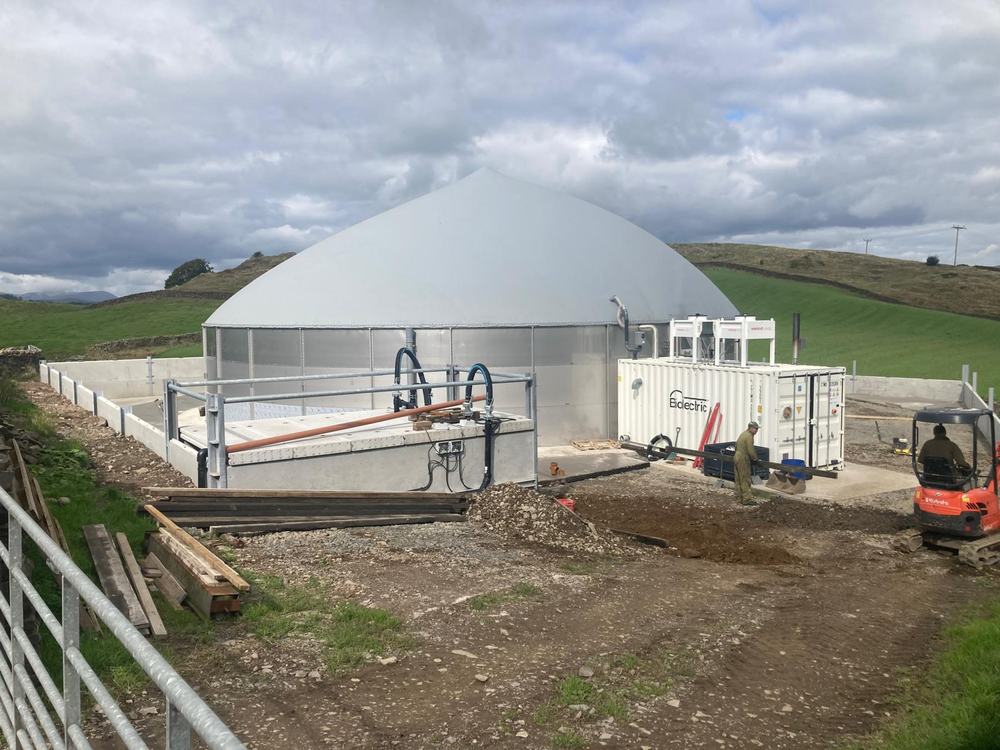
Can AD Reduce Electricity Bills?
Real UK case studies report substantial bill reductions — but the saving depends on generation, self-consumption, tariffs and plant availability, not a fixed figure.
7 min readRead Guide

Solar and AD solve the same problem — on-farm renewable electricity — in very different ways. Here's how they actually compare, and where farms run both.
7 min read · Reviewed September 2026
Quick Answer
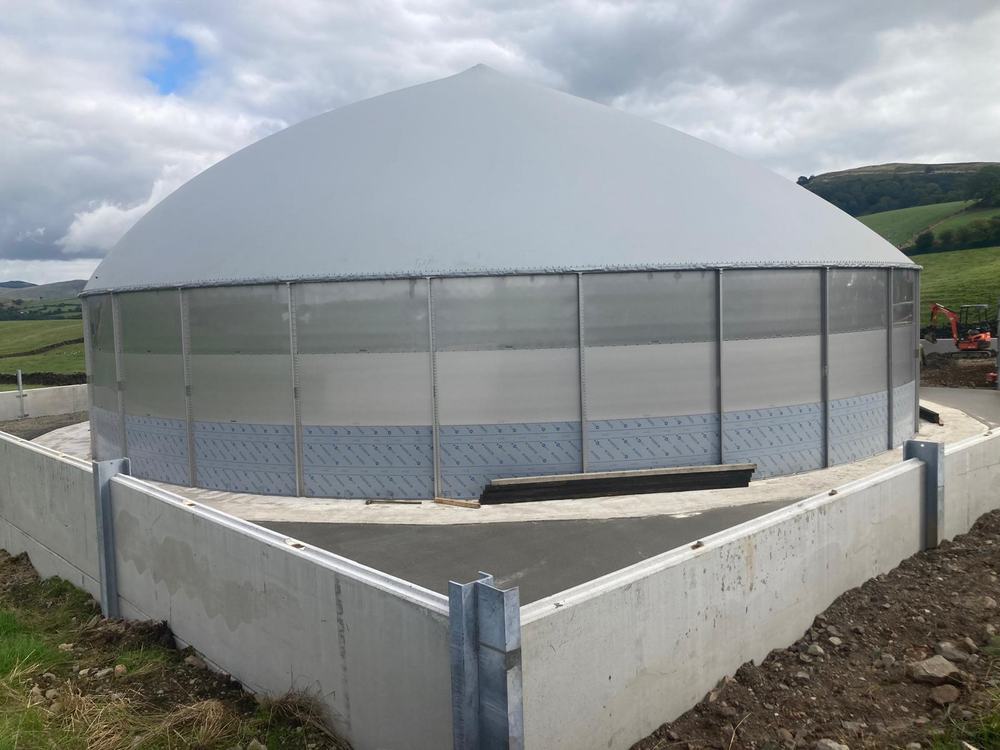
Solar and anaerobic digestion produce renewable electricity in fundamentally different ways. Solar generation depends on daylight, while AD stores biological energy in feedstock and can generate continuously when the digester and CHP are operating. Solar is mechanically simpler, while AD requires feedstock handling, biological management and more mechanical equipment. For some dairy farms, the two technologies complement rather than compete with each other.
Key Points
Solar generation rises during daylight and varies with season, weather, panel orientation and time of day. A stable AD digester, by contrast, can produce biogas continuously, so the CHP can provide comparatively consistent power. At Bays Leap Farm, the farm's own account specifically contrasts AD's continuous generation with solar's dependence on daylight and weather.
That depends on the farm. Dairy operations with robotic milking and refrigeration may use electricity throughout the night as well as the day, which continuous AD generation can complement particularly well.
Generally, yes, from an operational perspective — solar has no slurry feed system, biological process, CHP engine, pumps or mixers, making AD a much more active piece of farm infrastructure by comparison.
AD simultaneously forms part of the farm's slurry management system: it processes organic feedstock, produces biogas, produces digestate, and generates heat as well as electricity through CHP. Solar produces electricity but doesn't interact with slurry management at all.
Yes — several UK dairy farms already combine renewable technologies rather than choosing just one. A well-matched combination might pair solar's stronger daytime generation with AD's relatively consistent underlying output and the grid for balancing and backup. The best combination depends on the farm's demand profile and investment case.
Worth asking: how much collectable slurry does the farm have, what's the day and night electricity demand, how much roof or land is suitable for solar, what existing generation is there, can CHP heat be used, and what capital and operating involvement is realistic? For some farms one technology will clearly make more sense; for others, the answer may be both.
Sources
Can AD Reduce Electricity Bills?
Real UK case studies report substantial bill reductions — but the saving depends on generation, self-consumption, tariffs and plant availability, not a fixed figure.
How Much Electricity Does AD Generate?
Output depends on feedstock, methane content, CHP efficiency and how the plant is run — not a fixed per-cow figure. Here's what actually determines it.
Is AD Worth It for a Dairy Farm?
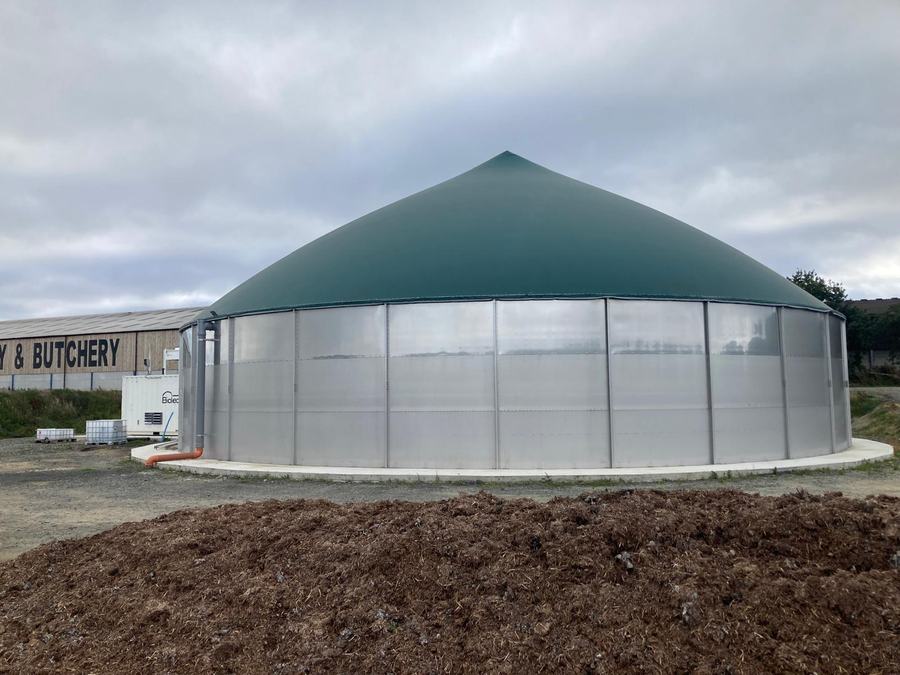
AD can make sense for dairy farms with reliable slurry, sustained energy demand and a suitable site — but there's no universal return. Here's what actually drives it.
AD for Dairy Farms: Full Guide
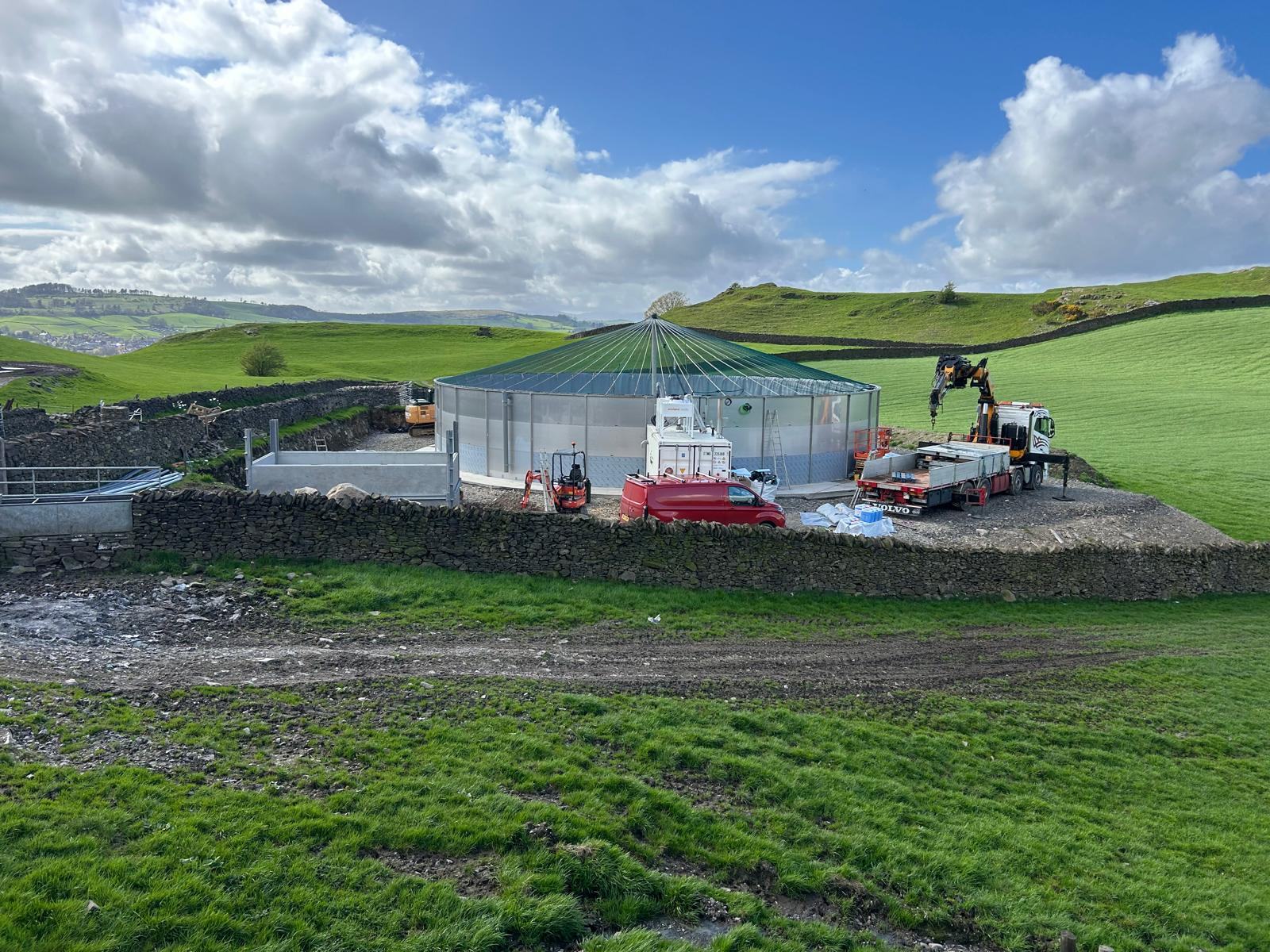
A practical overview of dairy farm anaerobic digestion in the UK — slurry, plant size, electricity, digestate, costs, installation and farm suitability in one place.
Charlie Bell Building supports farm-scale anaerobic digestion installations from site preparation and groundworks through to equipment installation and commissioning support.