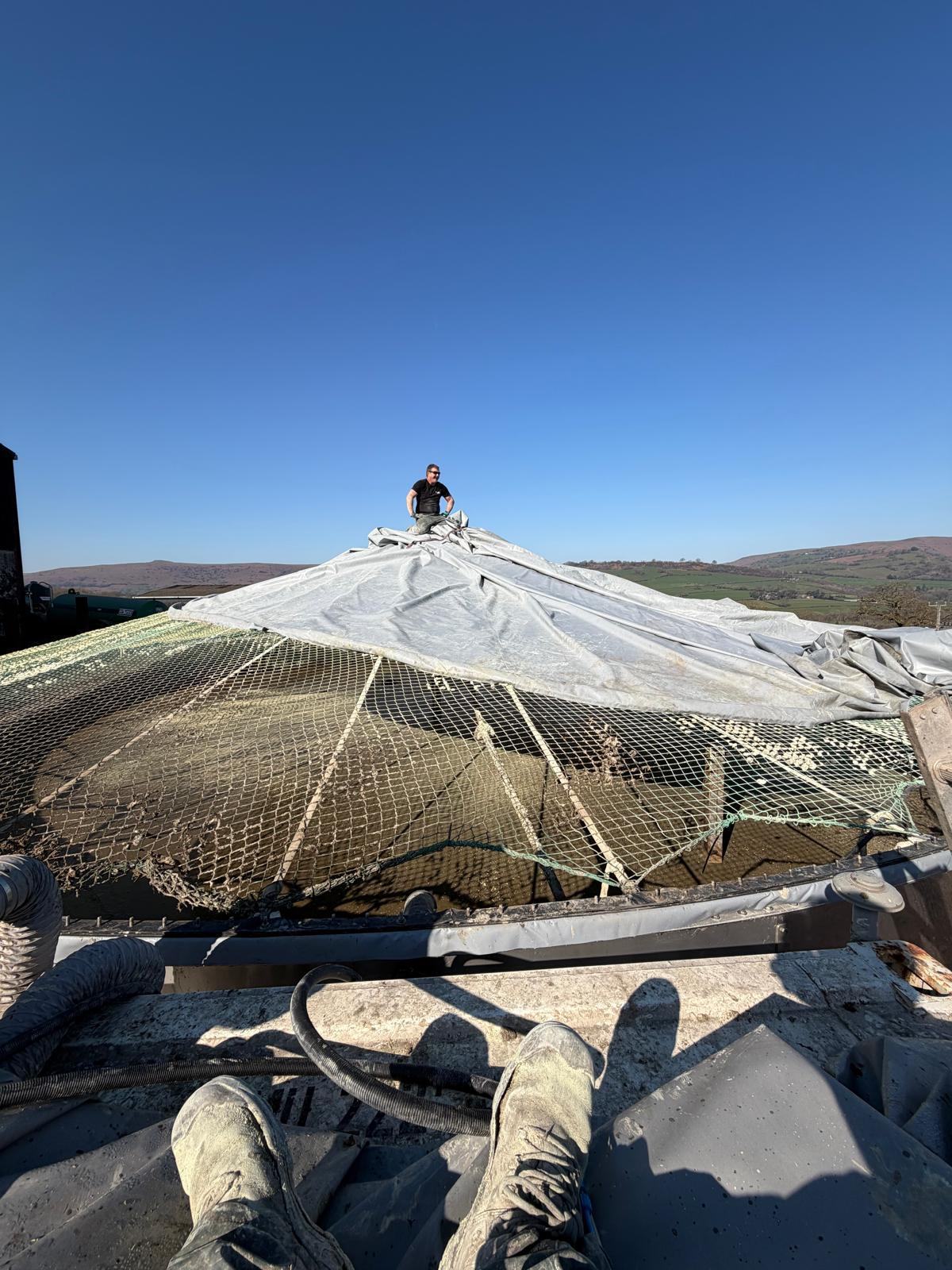
Digestate
Is Digestate Better Than Slurry?
Digestate isn't simply superior to slurry across the board — digestion changes the material in specific ways, and its value depends on what a farm needs from it.
7 min readRead Guide

Anaerobic digestion doesn't make slurry disappear. Here's what digestate actually is, what it contains, and what it means for a farm's nutrient management.
6 min read · Reviewed September 2026
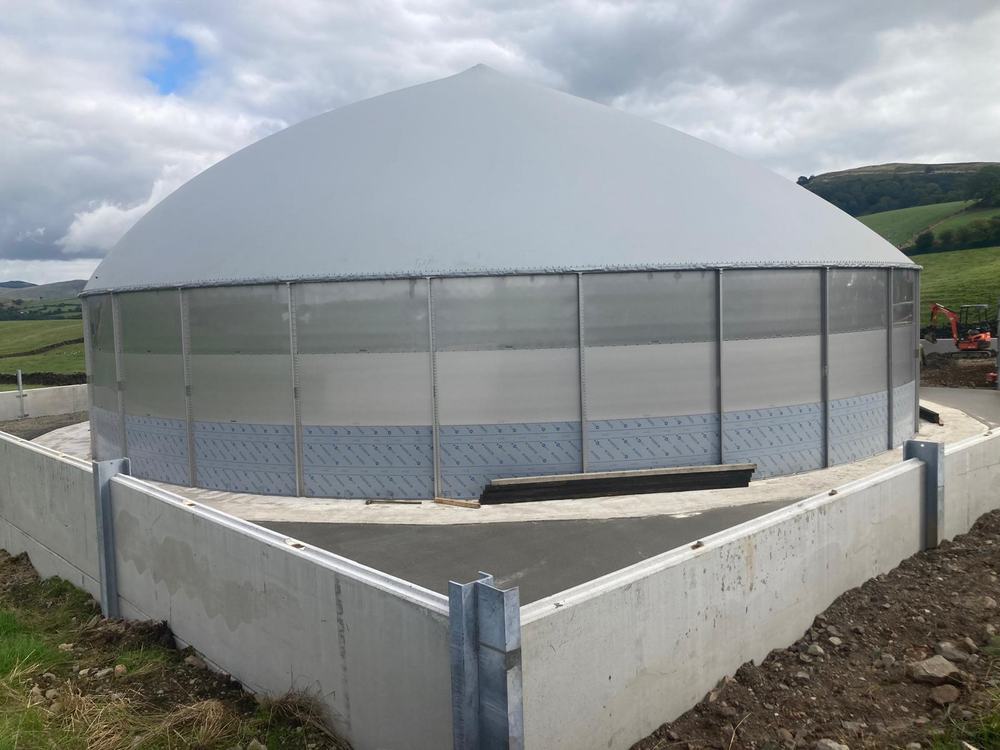
Quick Answer
Digestate is the material left after organic matter has passed through an anaerobic digester. The AD process removes some of the biodegradable material to produce biogas, but much of the nutrient content remains. Digestate can therefore be used as an agricultural fertiliser or soil conditioner where the relevant regulatory and nutrient management requirements are met.
Key Points
Microorganisms consume part of the biodegradable organic material entering the digester and produce biogas. The liquid and solid material remaining is digestate. This means an AD plant shouldn't be considered only as an energy system — it stays closely connected to the farm's wider slurry and nutrient management.
No. Digestate begins with the feedstock entering the digester, but biological digestion changes the material. AFBI notes that the nitrogen in digestate can be more readily available to plants than nitrogen in undigested slurry — agronomically useful, but it also means spreading should be planned carefully, because readily available nitrogen can be lost if applications are poorly timed or managed.
Depending on the original feedstock, digestate may contain nitrogen, phosphorus, potassium, organic matter and other plant nutrients — the exact composition varies. A farmer should avoid treating all digestate as having one universal nutrient analysis; testing the actual material provides a much stronger basis for nutrient planning than generic averages.
It may replace some purchased fertiliser, depending on nutrient analysis, crop requirements, soil nutrient status, timing, application method and available land. A Biolectric case study at Rosconnor Dairies, a roughly 680-700 cow farm running a 44kW slurry-fed digester, reports a substantial reduction in the farm's electricity costs after installing its system and returning digestate to the land — a real example, but an individual farm's result rather than a universal saving figure.
Yes, subject to the rules applying to the material and land. For England, the Environment Agency states that where the only waste feedstock under the T24 exemption is farmyard manure or slurry, it accepts that the resulting digestate can be spread as fertiliser or soil conditioner without being regulated as waste. Other requirements, including good agricultural practice and rules applying in nitrate vulnerable zones, still apply. Using other feedstocks can change the regulatory position.
Yes. AD doesn't remove the requirement to manage material between digestion and land application — digestate volume, storage capacity, seasonal spreading restrictions, rainfall and application windows all still need planning. This is why digestate storage should be considered during the initial AD layout, not after the plant has been installed.
Sources
Is Digestate Better Than Slurry?
Digestate isn't simply superior to slurry across the board — digestion changes the material in specific ways, and its value depends on what a farm needs from it.
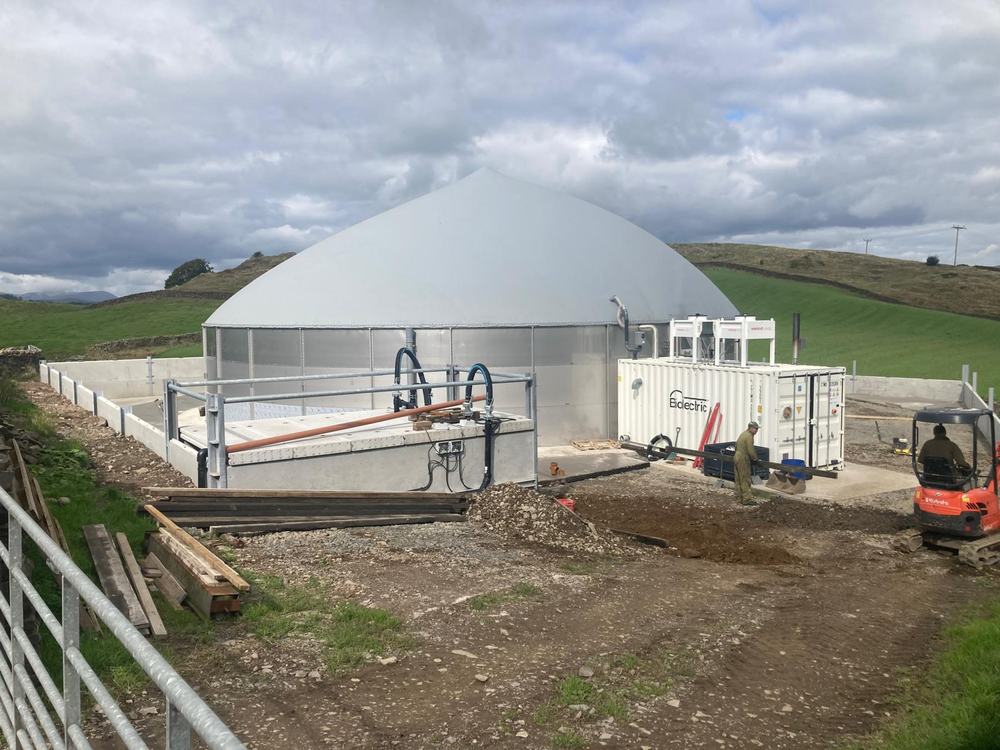
Nitrogen in Slurry During AD
AD doesn't remove most of slurry's nitrogen — it converts some of it into a form crops can use more readily, which changes how it needs to be managed.
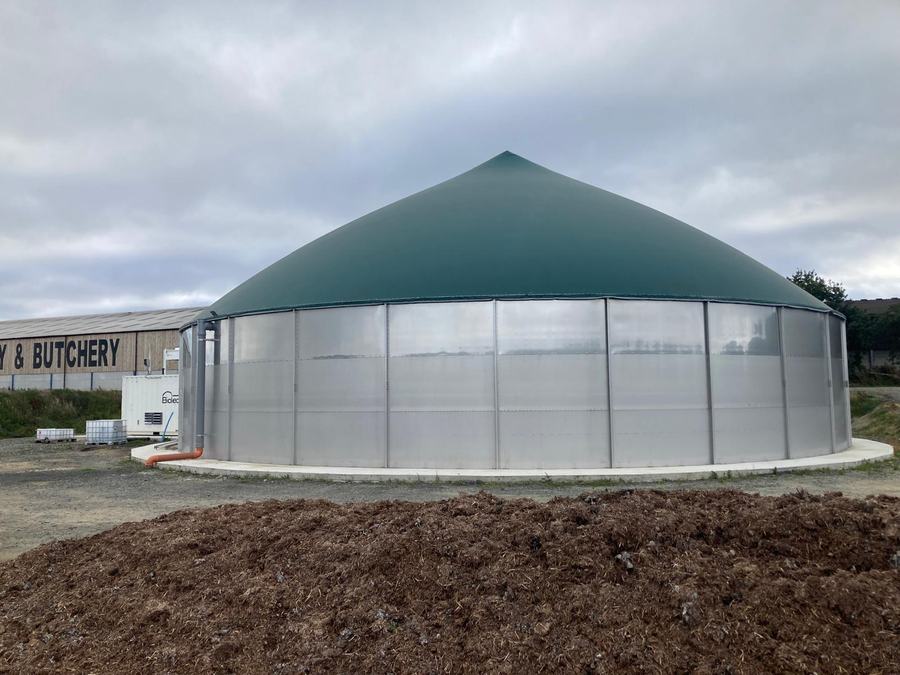
Is AD Worth It for a Dairy Farm?
AD can make sense for dairy farms with reliable slurry, sustained energy demand and a suitable site — but there's no universal return. Here's what actually drives it.

Can You Spread Digestate on Farmland?
Yes, where the relevant requirements are met — but the position depends on feedstock, waste status and jurisdiction, and England and Scotland aren't the same.
Charlie Bell Building supports farm-scale anaerobic digestion installations from site preparation and groundworks through to equipment installation and commissioning support.