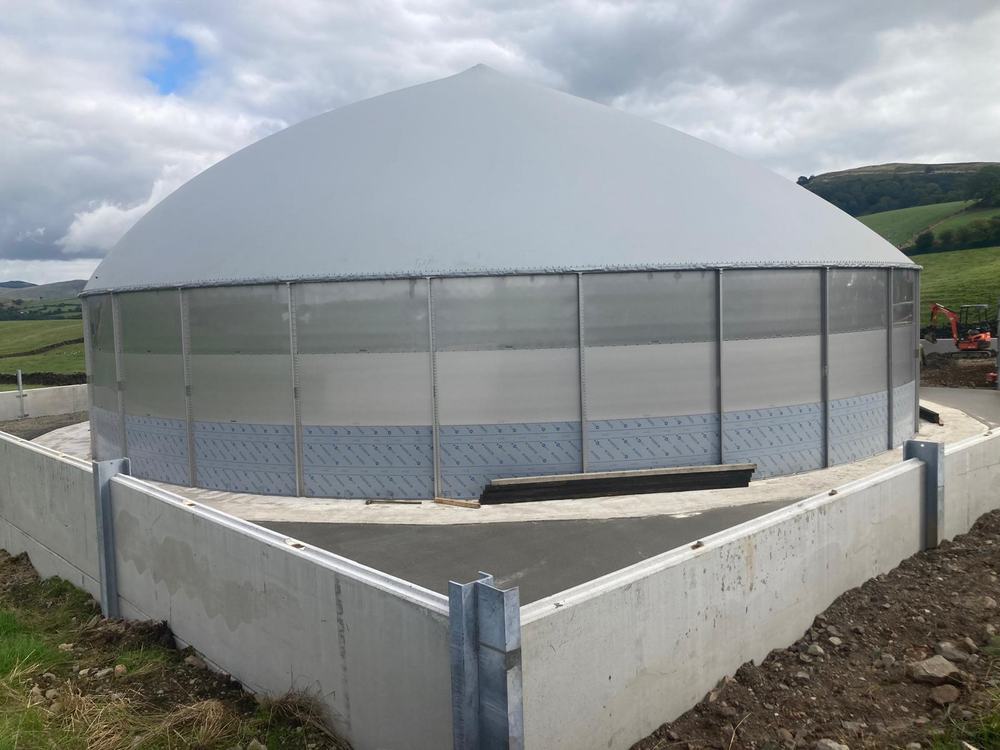
Digestate
What Is Digestate?
Digestate is what's left after slurry passes through a digester — still nutrient-rich, still needing storage, and usable as fertiliser where the rules are met.
6 min readRead Guide

It's a natural comparison to make, but 'better' depends on what you're measuring. Here's what digestion actually changes, and what it doesn't.
7 min read · Reviewed September 2026
Quick Answer
Digestate is not simply universally better than slurry. Anaerobic digestion changes the material and can make a greater proportion of nitrogen readily available to crops, while retaining many nutrients. Its value depends on composition, storage, application timing, soil and crop requirements — not a fixed comparison that holds for every farm.
Key Points
During digestion, microorganisms break down part of the biodegradable organic material in slurry, producing biogas. That biological process also changes the chemical form some of the remaining nutrients are in — most notably nitrogen, a portion of which converts into ammonium nitrogen, a form more readily available to growing crops than the organic nitrogen present in untreated slurry.
Digestion doesn't remove most of what slurry contains. Digestate generally retains much of the phosphorus, potassium and organic matter present in the original feedstock, alongside the nitrogen — it's a transformation, not a reduction to a lesser material.
The shift toward more readily available nitrogen is the most agronomically significant difference between digestate and untreated slurry. It can make digestate a more responsive fertiliser in the right conditions, but it also means the nitrogen is more prone to loss if applications are poorly timed or the material isn't incorporated promptly — good news and a management requirement at the same time.
Digestion can reduce some of the odour associated with untreated slurry, but digestate isn't odourless, and how much odour reduction a particular farm actually experiences depends on the whole system, not the digester alone — covered in more detail in our guide on anaerobic digestion and slurry smell.
Digestate still needs proper storage, and still needs applying in line with normal agricultural rules for timing and location — digestion doesn't remove any of that responsibility. Because composition varies with feedstock and process, testing the actual material is a far better basis for fertiliser planning than assuming a fixed nutrient value, whether for slurry or digestate.
In practice, the difference that matters most to a farm is usually nitrogen timing and availability, not a wholesale change in what the material can do. Situations where this matters most include crops with a defined nitrogen demand window, where digestate's more available nitrogen can be a genuine advantage if applied correctly — and a genuine risk of loss if it isn't.
Because composition, storage conditions and application method all affect the outcome, a general 'digestate versus slurry' comparison can only go so far. The more useful question for a specific farm is what its actual digestate analysis shows, and how that fits its own nutrient management plan — covered further in our guide on digestate's fertiliser value.
Sources
What Is Digestate?
Digestate is what's left after slurry passes through a digester — still nutrient-rich, still needing storage, and usable as fertiliser where the rules are met.
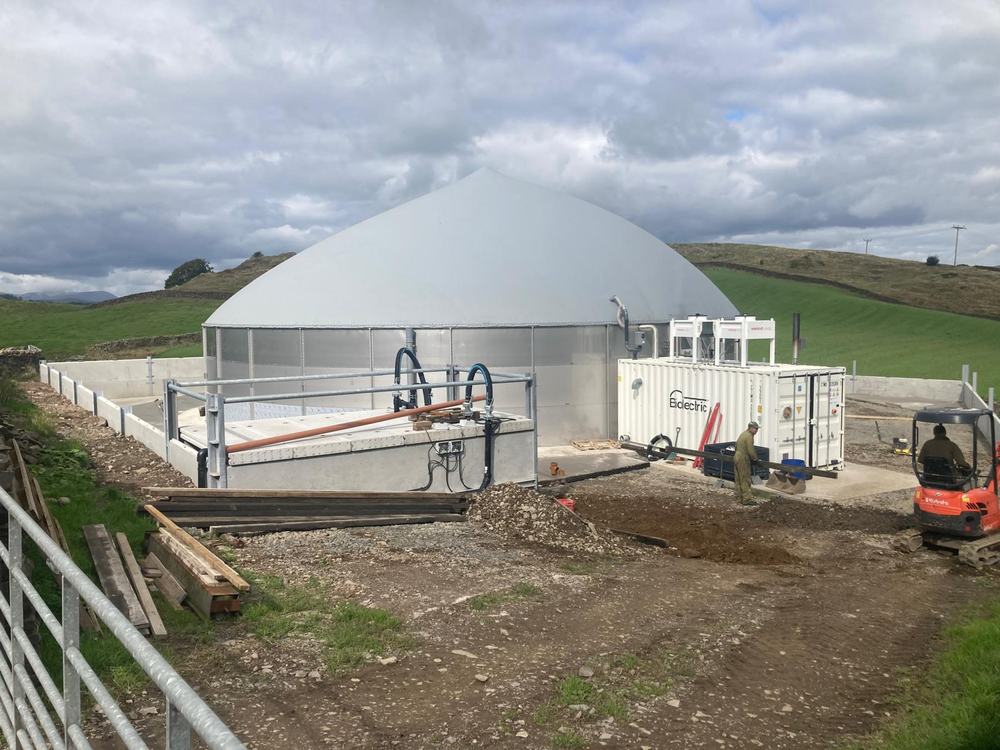
Nitrogen in Slurry During AD
AD doesn't remove most of slurry's nitrogen — it converts some of it into a form crops can use more readily, which changes how it needs to be managed.
Digestate's Fertiliser Value
Digestate contains useful nitrogen, phosphorus and potassium, but its real value depends on testing, timing and what it actually displaces — not a fixed £/m³ figure.

Can You Spread Digestate on Farmland?
Yes, where the relevant requirements are met — but the position depends on feedstock, waste status and jurisdiction, and England and Scotland aren't the same.
Charlie Bell Building supports farm-scale anaerobic digestion installations from site preparation and groundworks through to equipment installation and commissioning support.