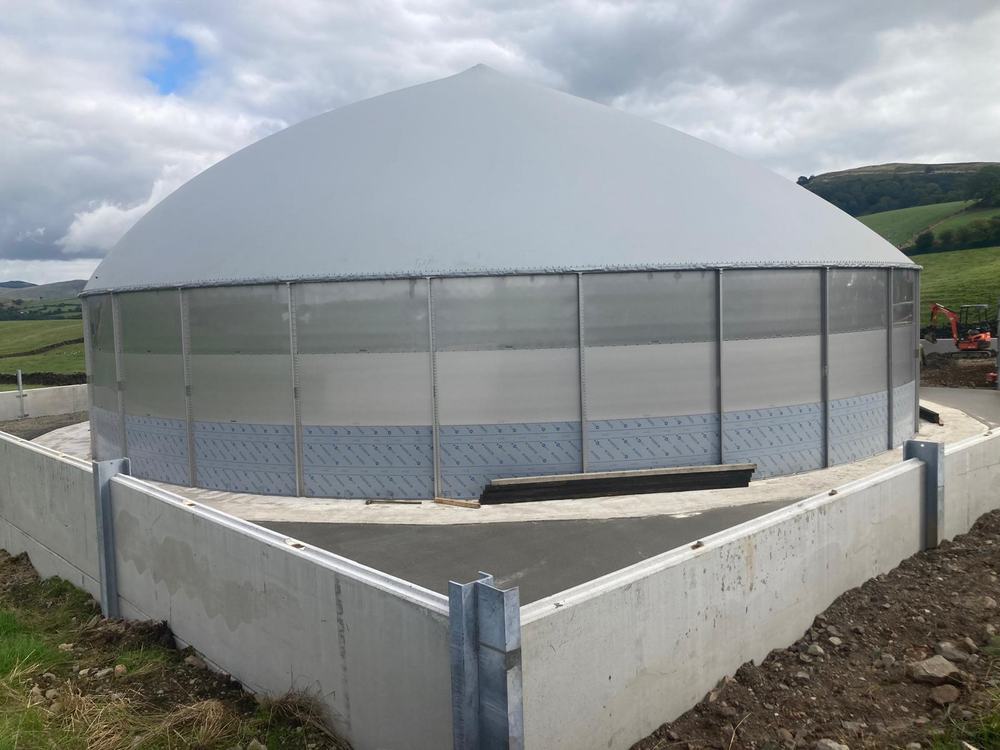
Digestate
What Is Digestate?
Digestate is what's left after slurry passes through a digester — still nutrient-rich, still needing storage, and usable as fertiliser where the rules are met.
6 min readRead Guide

The short answer is yes, but the detail depends on where the farm is and what went into the digester. England and Scotland regulate this differently.
8 min read · Reviewed September 2026

Quick Answer
Yes, digestate can generally be used agriculturally where the relevant requirements are met, but the detail depends on feedstock and jurisdiction. In England, farmyard-manure-or-slurry-only digestate under the T24 exemption can be spread as fertiliser without being regulated as waste. In Scotland, spreading is governed separately by SEPA under its own General Binding Rules. Regulations vary by jurisdiction and may change — check the current requirements applying to your farm before storing or spreading digestate.
Key Points
Yes, digestate can be used agriculturally where the relevant requirements are met — this is one of the reasons digestate has genuine value on a farm rather than being a waste product to dispose of. What those requirements are, though, depends on feedstock and on which part of the UK the farm is in.
What goes into the digester determines what comes out, in a regulatory sense as much as a nutritional one. Digestate produced from farm-sourced slurry and manure is generally treated differently from digestate produced with imported waste or other material, because the waste status of the inputs carries through to the output.
For England, the Environment Agency's T24 exemption covers on-farm anaerobic digestion using agricultural wastes such as slurry, farmyard manure, certain plant tissue wastes and biodegradable animal bedding. Where the only waste feedstock is farmyard manure or slurry, the Environment Agency accepts that the resulting digestate can be spread on agricultural land as fertiliser or soil conditioner without being regulated as waste. Using other feedstocks, or operating outside the exemption's conditions, can change this position and bring different permitting requirements into play.
Scotland regulates this separately, through the Scottish Environment Protection Agency. Non-waste anaerobic digestion and the storage and spreading of digestate are covered by SEPA's own framework, including General Binding Rules developed from established good-practice guidance for preventing agricultural pollution — for example, requiring that nutrients are only applied where there's a genuine crop requirement, and not spread on frozen, snow-covered or waterlogged ground. Digestate produced entirely from non-waste materials is generally not regulated as waste when used directly on agricultural land, but the specific position depends on the feedstock and scale involved, and should be confirmed with SEPA directly for a given farm.
Whatever the waste status, digestate still needs applying in line with normal nutrient management practice — matching application to genuine crop requirement, avoiding closed spreading periods where they apply, and protecting watercourses from runoff. These requirements sit alongside, not instead of, the waste-exemption or permitting position.
In Nitrate Vulnerable Zones in England, additional rules on nitrogen application rates and closed spreading periods apply to digestate in the same way they apply to slurry and manure. This affects both how much can be applied and when, and needs factoring into a farm's wider nutrient management plan rather than treated separately.
General water pollution prevention duties apply to digestate storage and spreading regardless of its specific regulatory classification — avoiding runoff to watercourses, appropriate storage capacity, and reducing the risk of point-source pollution from tanks or handling areas. Testing the actual digestate produced, rather than assuming a generic composition, supports both good nutrient planning and demonstrating compliance if it's ever queried.
Beyond the national frameworks above, local requirements — from the relevant environmental regulator, local authority, or catchment-specific rules — can also apply, and are worth confirming for the specific farm and installation rather than assumed from general guidance.
Regulations vary by jurisdiction and may change. Check the current requirements applying to your farm before storing or spreading digestate — the Environment Agency in England and SEPA in Scotland are the right first point of contact.
Sources
What Is Digestate?
Digestate is what's left after slurry passes through a digester — still nutrient-rich, still needing storage, and usable as fertiliser where the rules are met.
Digestate's Fertiliser Value
Digestate contains useful nitrogen, phosphorus and potassium, but its real value depends on testing, timing and what it actually displaces — not a fixed £/m³ figure.
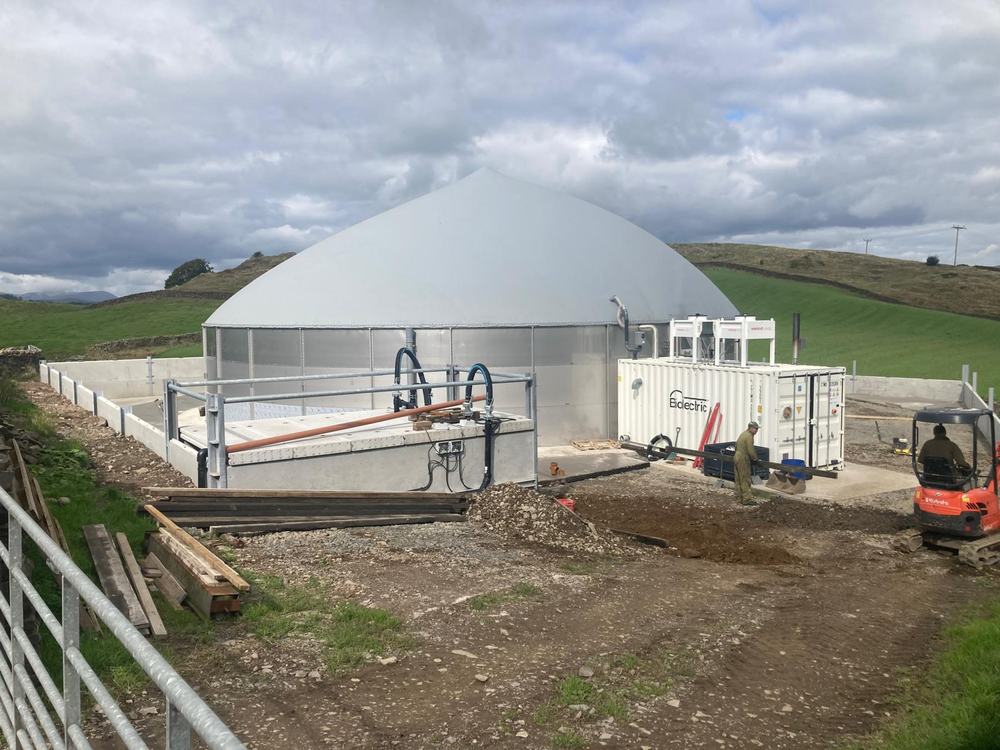
Nitrogen in Slurry During AD
AD doesn't remove most of slurry's nitrogen — it converts some of it into a form crops can use more readily, which changes how it needs to be managed.
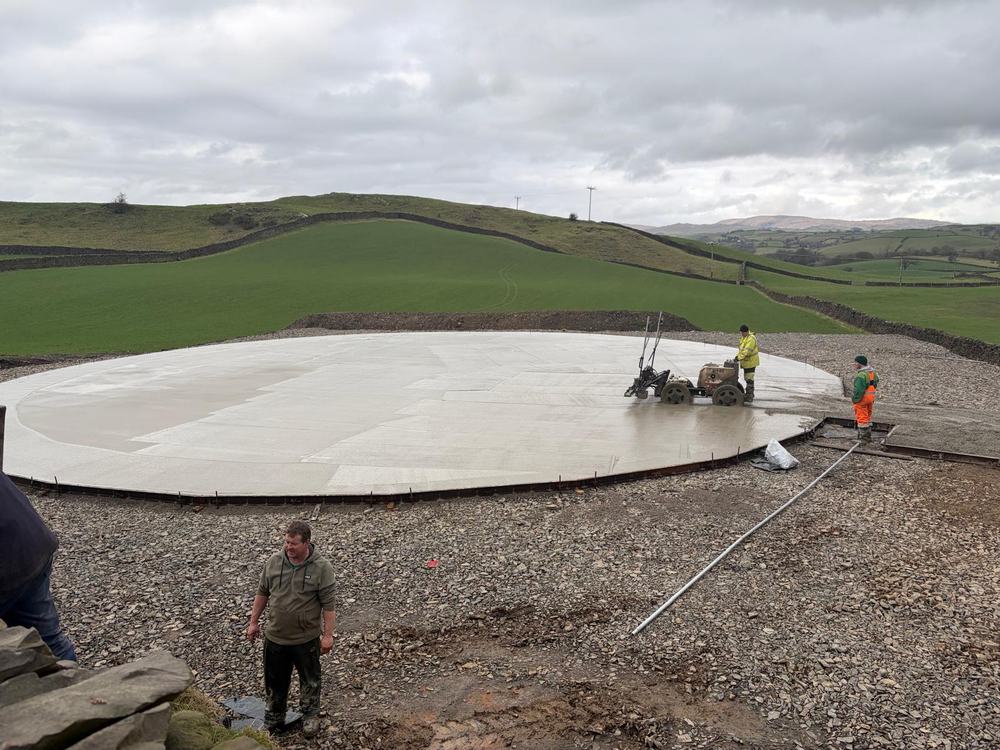
Do You Still Need Slurry Storage?
Yes — AD changes the material but doesn't remove the need for storage, before digestion, after it, or both, depending on the system and farm.
Charlie Bell Building supports farm-scale anaerobic digestion installations from site preparation and groundworks through to equipment installation and commissioning support.