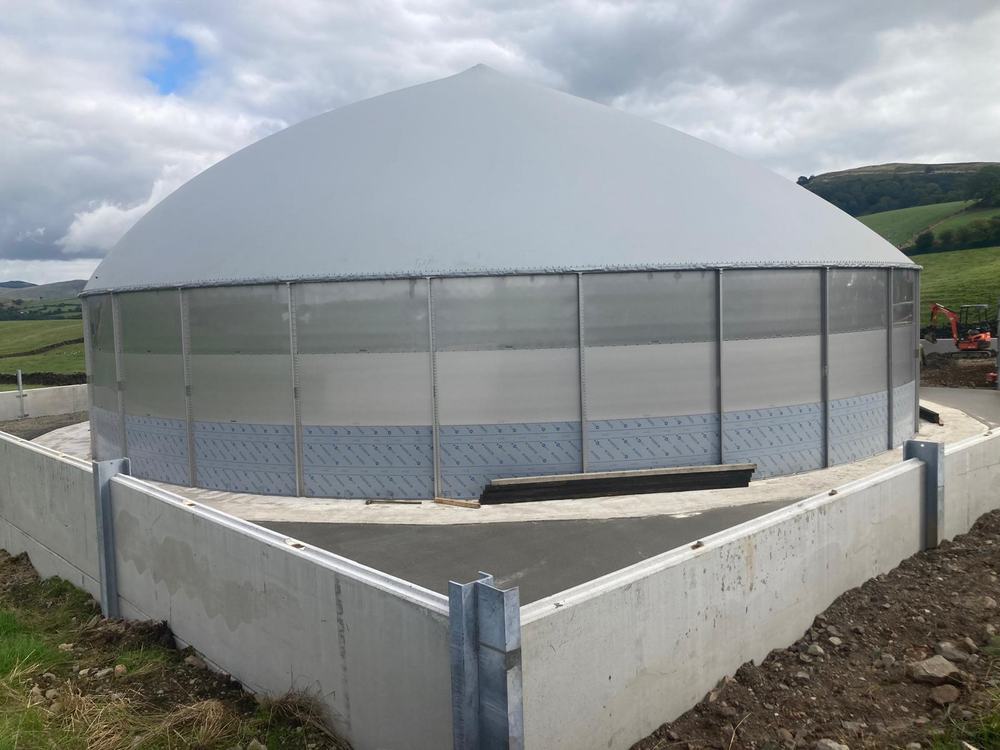
Digestate
What Is Digestate?
Digestate is what's left after slurry passes through a digester — still nutrient-rich, still needing storage, and usable as fertiliser where the rules are met.
6 min readRead Guide

It's a reasonable assumption that AD replaces the need for a slurry store. It doesn't — here's why storage is still part of the system, on both sides of the digester.
7 min read · Reviewed September 2026
Quick Answer
Yes. AD changes the material but does not remove the need for storage. Farms may need storage before digestion, after digestion, or both, depending on the system. Storage requirements depend on the farm's regulatory jurisdiction, the material involved and the specific system, so a single UK-wide capacity figure shouldn't be assumed.
Key Points
It's an understandable assumption that feeding slurry into a digester continuously would remove the need for a separate store, but in practice most systems still need storage capacity on one or both sides of the digester — to buffer incoming material, and to hold digestate until it can be spread appropriately.
A reception or buffer tank typically sits between slurry collection and the digester itself, smoothing out variation in daily collection so the digester receives a manageable, reasonably steady feed rather than large irregular batches. This is part of what keeps the biological process stable, rather than simply a holding point.
The digester's own working volume is sized around hydraulic retention time, not to double as long-term storage — material moves through it on a rolling basis, as covered in our guide on how a digester is sized, rather than being held there indefinitely.
Digestate leaving the digester still needs somewhere to go before it can be applied to land, since spreading is governed by seasonal restrictions, weather and crop demand rather than happening continuously. Digestate storage is often the genuinely new infrastructure requirement on a project, particularly where a farm's existing slurry store isn't suited to, or sized for, this new role.
Storage capacity needs to account for periods when spreading isn't possible or permitted — closed periods in some jurisdictions, waterlogged or frozen ground, or simply unsuitable weather — and for reasonable contingency if the plant is down for maintenance and material still needs somewhere to go in the meantime.
Existing slurry stores may have a role in an AD system, but — as with any existing infrastructure being repurposed — this needs proper assessment rather than assumption, covered in our guide on retrofitting AD onto an existing farm. Some installations require covered storage for digestate, depending on the regulatory regime and site, which affects both the physical design and the groundworks needed.
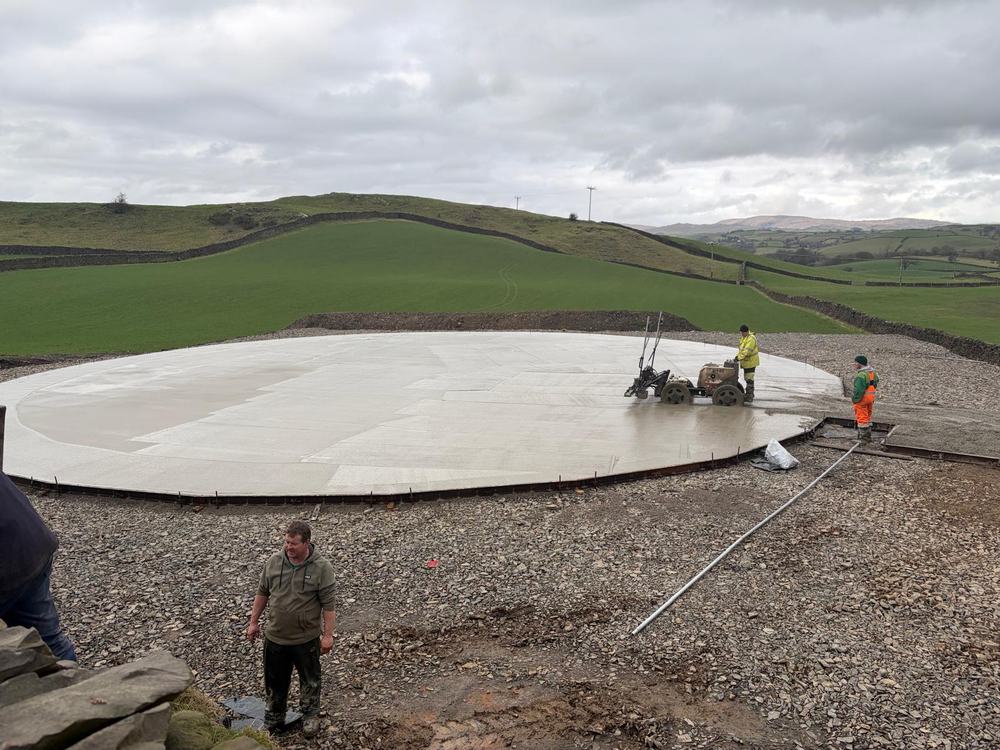
Storage needs proper access for pumps, tankers and inspection, and needs integrating into the farm's pipework and layout from the start rather than added on afterwards — covered in our guides on AD groundworks and site layout.
Storage capacity requirements depend on the farm's location, the material involved, the applicable regulatory regime, and the specific system design — England and Scotland, for example, regulate general slurry storage capacity through different frameworks. A specific capacity requirement for a given farm needs establishing against the rules that actually apply to it, not assumed from a general figure.
Regulations and required storage capacities vary by jurisdiction and may change. Check the current requirements applying to your farm and system before finalising storage capacity.
Sources
What Is Digestate?
Digestate is what's left after slurry passes through a digester — still nutrient-rich, still needing storage, and usable as fertiliser where the rules are met.
What Groundworks Does AD Need?
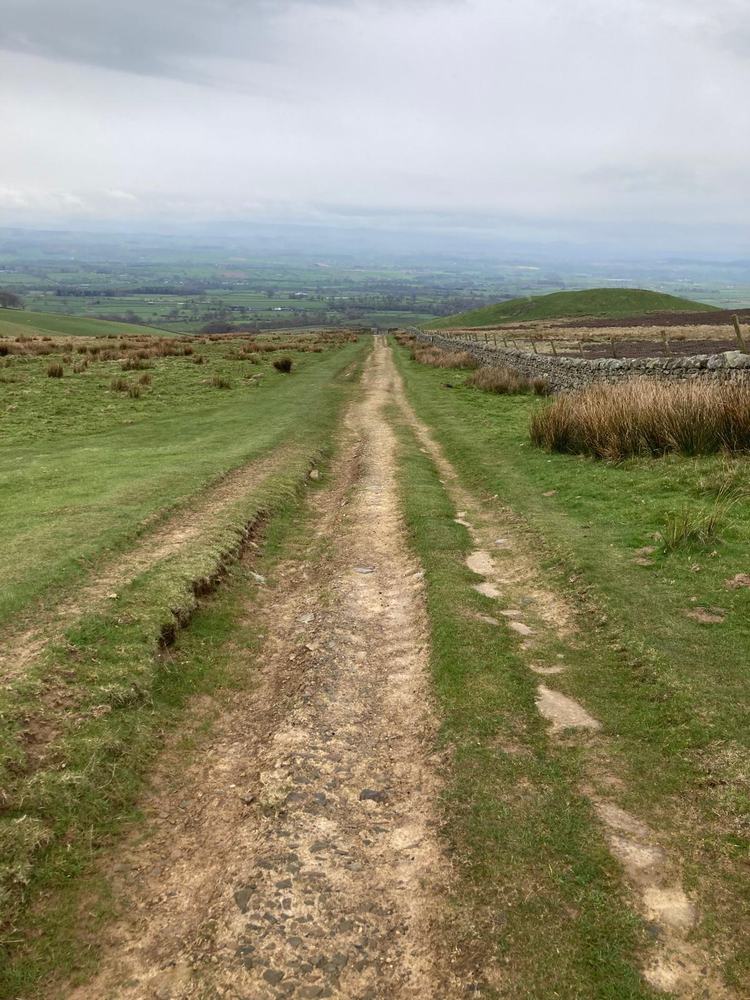
Almost everything else in an AD installation depends on the groundworks being right — levels, foundations, drainage, service routes and future maintenance access.
Why AD Site Layout Matters
Where the plant sits affects pumping, pipework, electrical connections, access and future farm development — for years, not just on installation day.
Can You Spread Digestate on Farmland?
Yes, where the relevant requirements are met — but the position depends on feedstock, waste status and jurisdiction, and England and Scotland aren't the same.
Charlie Bell Building supports farm-scale anaerobic digestion installations from site preparation and groundworks through to equipment installation and commissioning support.