Digestate
What Is Digestate?
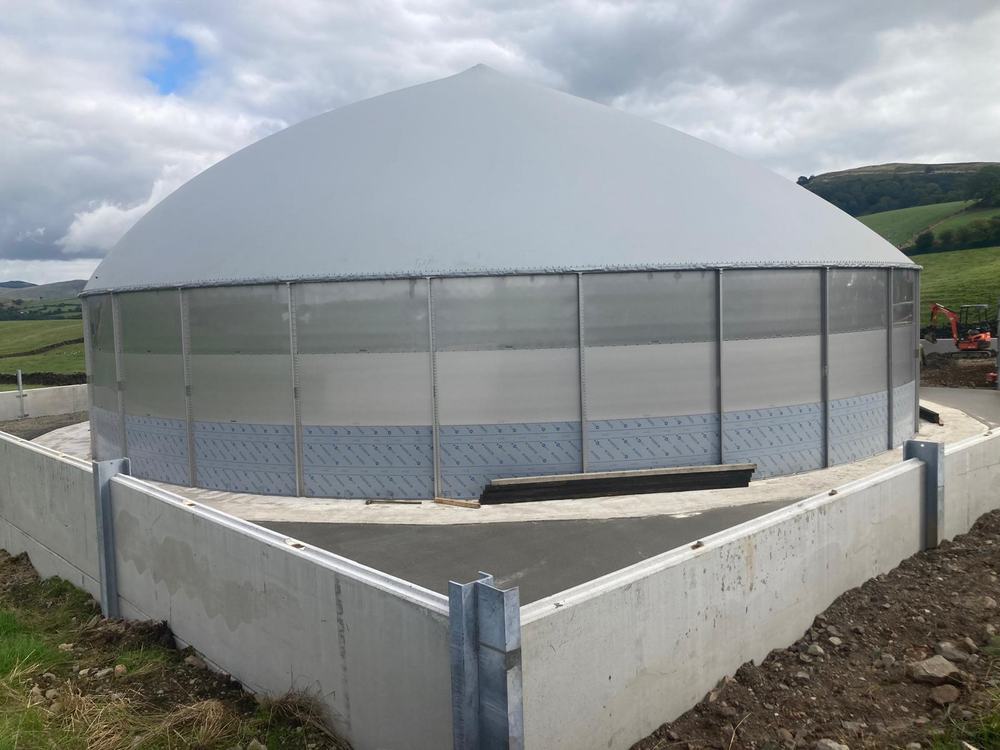
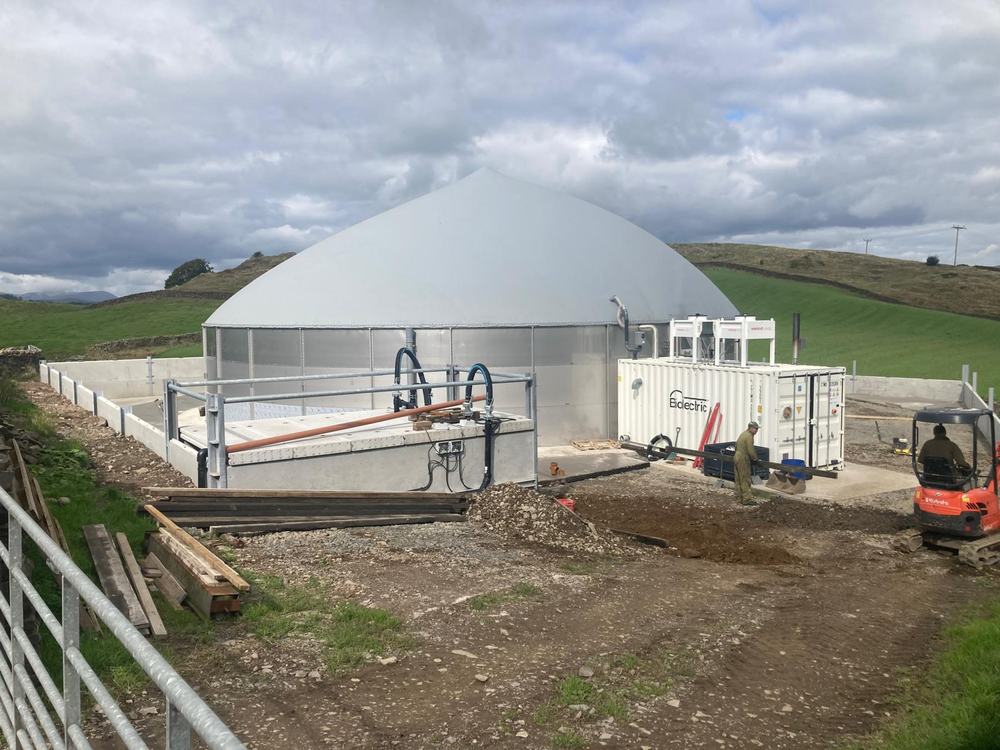
Digestate is what's left after slurry passes through a digester — still nutrient-rich, still needing storage, and usable as fertiliser where the rules are met.
6 min readRead Guide

Nitrogen is the nutrient digestion changes most. Here's what actually happens to it, in plain terms, and what that means for storage and spreading.
6 min read · Reviewed September 2026
Quick Answer
Anaerobic digestion does not remove most of the nitrogen from slurry. Organic nitrogen can be converted into forms that are more readily plant available, particularly ammonium nitrogen. This can increase agronomic usefulness, but also means storage and application need careful management to reduce losses.
Key Points
Untreated slurry contains nitrogen in a mix of forms, much of it bound up in organic material that needs further breakdown before plants can take it up. This organic nitrogen is a genuine nutrient resource, but it releases relatively slowly compared with a form crops can use immediately.
As microorganisms break down organic material during digestion, some of the organic nitrogen converts into ammonium nitrogen — a form that's much more readily available to growing crops. Digestion doesn't create new nitrogen or remove the nitrogen that was there; it changes the form a portion of it is in.
Because ammonium nitrogen is more readily plant available, digestate can act more like a responsive nitrogen fertiliser than untreated slurry, particularly when applied during periods of active crop growth. This is one of the genuine agronomic advantages of digestion, alongside its role in energy generation.
The same property that makes ammonium nitrogen useful to crops also makes it more prone to loss as ammonia gas, particularly if digestate is left on the surface rather than incorporated promptly, or applied in warm, windy conditions. This is a genuine management consideration, not a reason to avoid digestate — it just means application technique and timing matter more than they might with a slower-release material.
Covered storage reduces nitrogen loss before digestate is even applied, and low-emission spreading methods — such as trailing shoe or injection rather than splash-plate application — reduce losses at the point of application. Timing spreading to match periods of active crop demand makes the most of the readily available nitrogen rather than losing it before the crop can use it.
Because the proportion of readily available nitrogen varies with feedstock and digester operation, testing the actual digestate a farm produces — rather than assuming a generic split between organic and ammonium nitrogen — gives a much more reliable basis for a nutrient management plan, in the same way it does for the phosphorus and potassium content covered in our guide on digestate's fertiliser value.
Sources
What Is Digestate?
Digestate is what's left after slurry passes through a digester — still nutrient-rich, still needing storage, and usable as fertiliser where the rules are met.

Is Digestate Better Than Slurry?
Digestate isn't simply superior to slurry across the board — digestion changes the material in specific ways, and its value depends on what a farm needs from it.
Digestate's Fertiliser Value
Digestate contains useful nitrogen, phosphorus and potassium, but its real value depends on testing, timing and what it actually displaces — not a fixed £/m³ figure.

Can You Spread Digestate on Farmland?
Yes, where the relevant requirements are met — but the position depends on feedstock, waste status and jurisdiction, and England and Scotland aren't the same.
Charlie Bell Building supports farm-scale anaerobic digestion installations from site preparation and groundworks through to equipment installation and commissioning support.