Planning & Regulation
Does AD Smell?
AD can substantially reduce slurry odour, but a farm AD site isn't odour-free — feedstock handling, storage and transfers all still need managing.
5 min readRead Guide

This asks something different from whether an AD plant smells — it asks whether digestion actually changes the odour of the slurry itself. It generally does, to a degree.
6 min read · Reviewed September 2026
Quick Answer
Anaerobic digestion generally reduces the odour of slurry, because the biological process breaks down some of the compounds responsible for its characteristic smell. This is a different question from whether an AD plant or site smells, which also depends on feedstock handling, storage and transfers — reduction isn't the same as elimination, in either sense.
Key Points
Untreated slurry contains organic material that continues breaking down during storage, and that ongoing biological activity produces a range of odorous compounds — this is simply what happens to organic matter stored over time, independent of any AD system.
Inside a digester, much of that same breakdown happens in a controlled, sealed environment rather than an open store, and a meaningful share of the volatile compounds responsible for slurry's smell are consumed or altered as part of the digestion process itself. This is a genuine chemical and biological change, not simply moving the smell somewhere else.
Digestate generally has a different, often less intense odour profile than untreated slurry, reflecting the material it's broken down. It isn't accurate to describe digestate as odourless, though — it's a change in degree and character, not a removal of odour altogether.
How digestate is stored after digestion affects how much odour it produces afterwards, in much the same way storage conditions affect untreated slurry. Covered storage and good handling practice make a genuine difference, and this is a separate question from the digestion process itself — covered in our guide on whether you still need slurry storage with a digester.
Odour during spreading depends on application method and weather conditions as much as on the material itself — low-emission spreading techniques and appropriate timing reduce odour impact for digestate in much the same way they do for conventional slurry and manure.
It's worth being precise about this distinction. Digestion changing and reducing slurry's odour-causing compounds is well established, but that's different from a farm's whole AD site being odour-free — reception areas, uncovered feedstock, tanks, transfers and abnormal operation can all still produce odour, covered in our companion guide on whether an AD plant itself smells, which looks at the site rather than the material.
Sources
Does AD Smell?
AD can substantially reduce slurry odour, but a farm AD site isn't odour-free — feedstock handling, storage and transfers all still need managing.
What Happens to Slurry in AD?
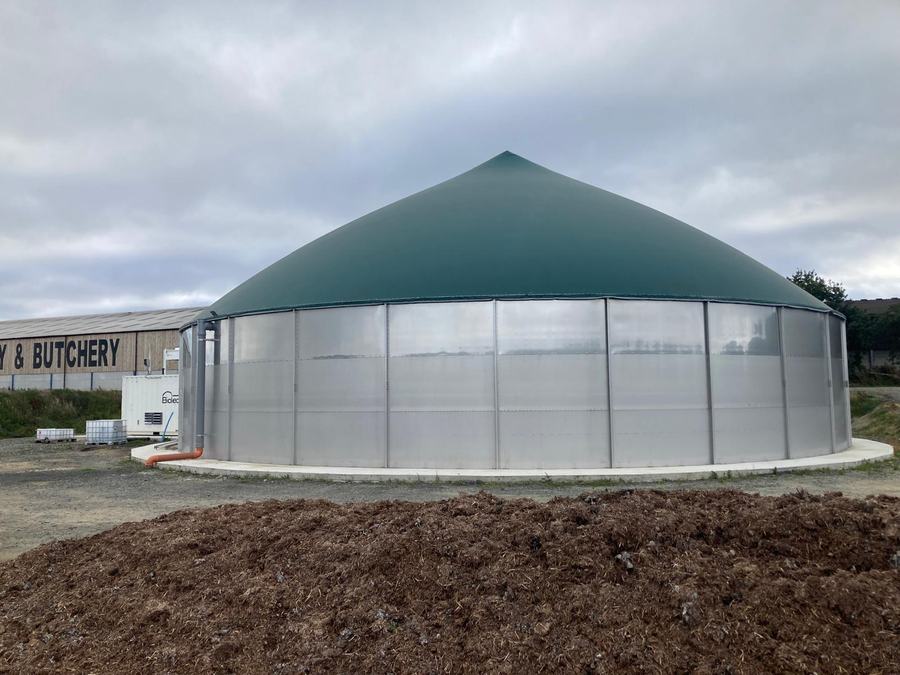
Follow cattle slurry from the yard through the digester to biogas and digestate, and see where odour actually changes along the way.
What Is Digestate?
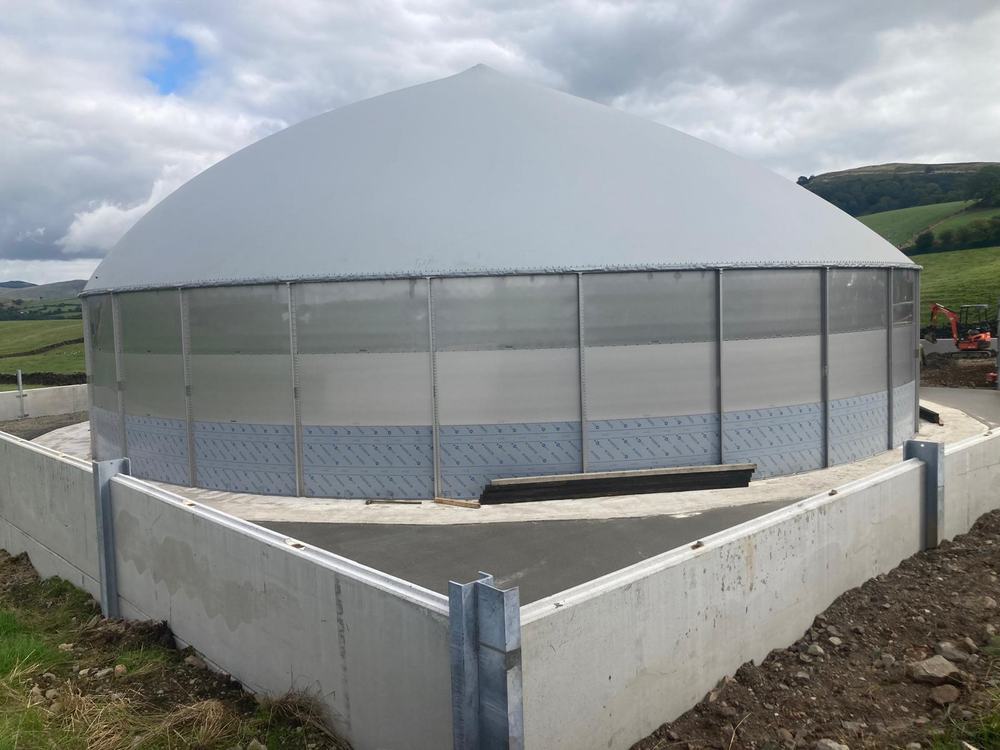
Digestate is what's left after slurry passes through a digester — still nutrient-rich, still needing storage, and usable as fertiliser where the rules are met.
Do You Still Need Slurry Storage?
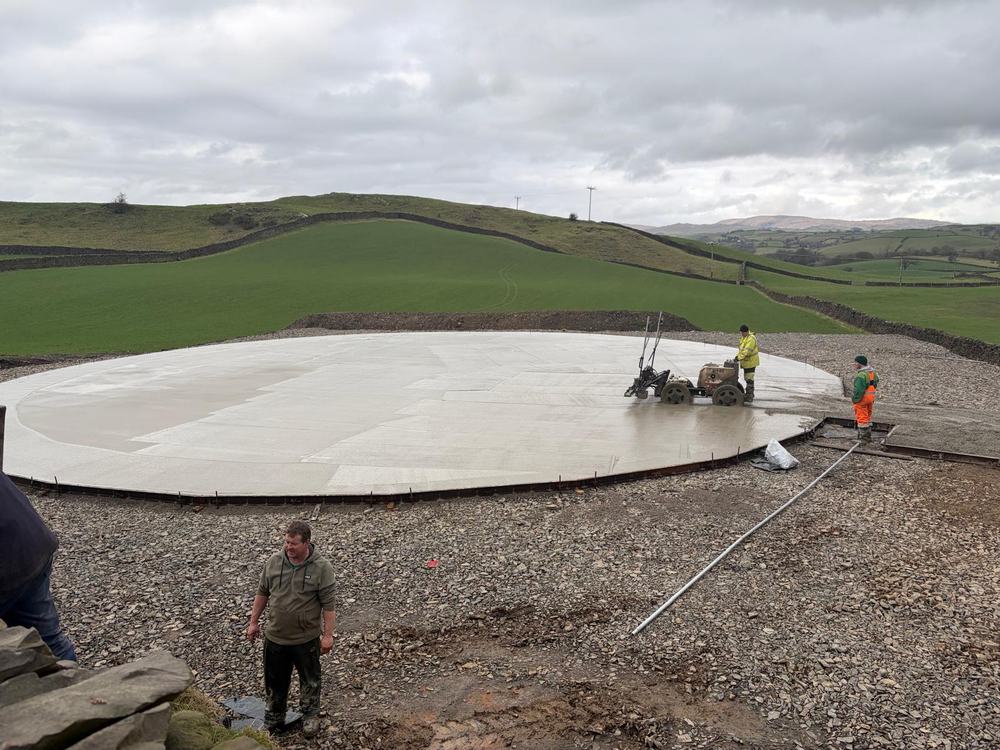
Yes — AD changes the material but doesn't remove the need for storage, before digestion, after it, or both, depending on the system and farm.
Charlie Bell Building supports farm-scale anaerobic digestion installations from site preparation and groundworks through to equipment installation and commissioning support.