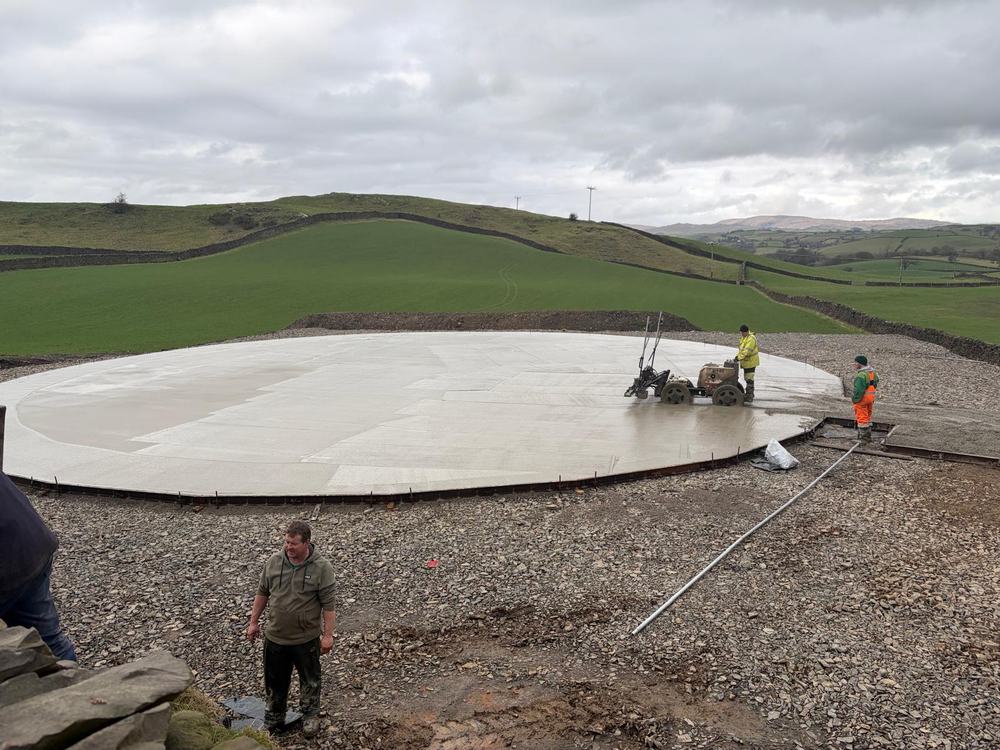
Installation
Preparing a Farm for AD
From confirming scope through to a pre-delivery readiness check — the enabling works a farm needs completed before AD equipment can go in.
6 min readRead Guide

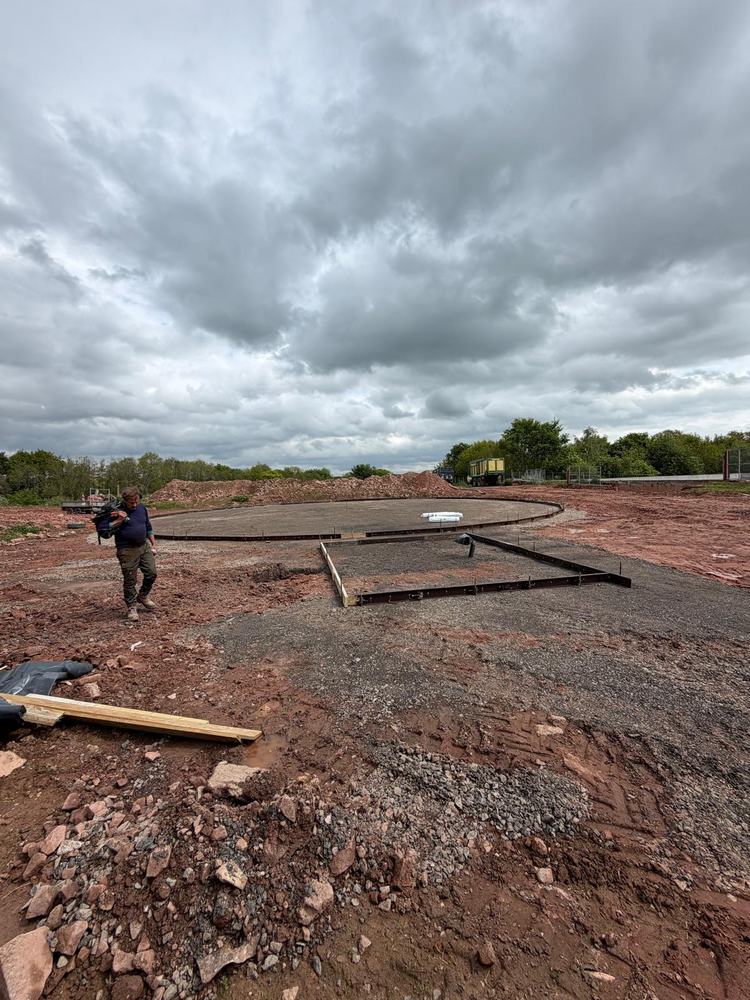
The installation should respond to the farm, not force the farm around a generic layout. Here's what a proper site survey actually looks at.
5 min read · Reviewed September 2026
Quick Answer
An AD site survey is used to understand how a proposed plant could physically integrate with the farm. It should consider slurry collection, existing tanks, available space, ground levels, access, electrical services, drainage, digestate storage and the routes required for pumps, pipework and cables.
Key Points
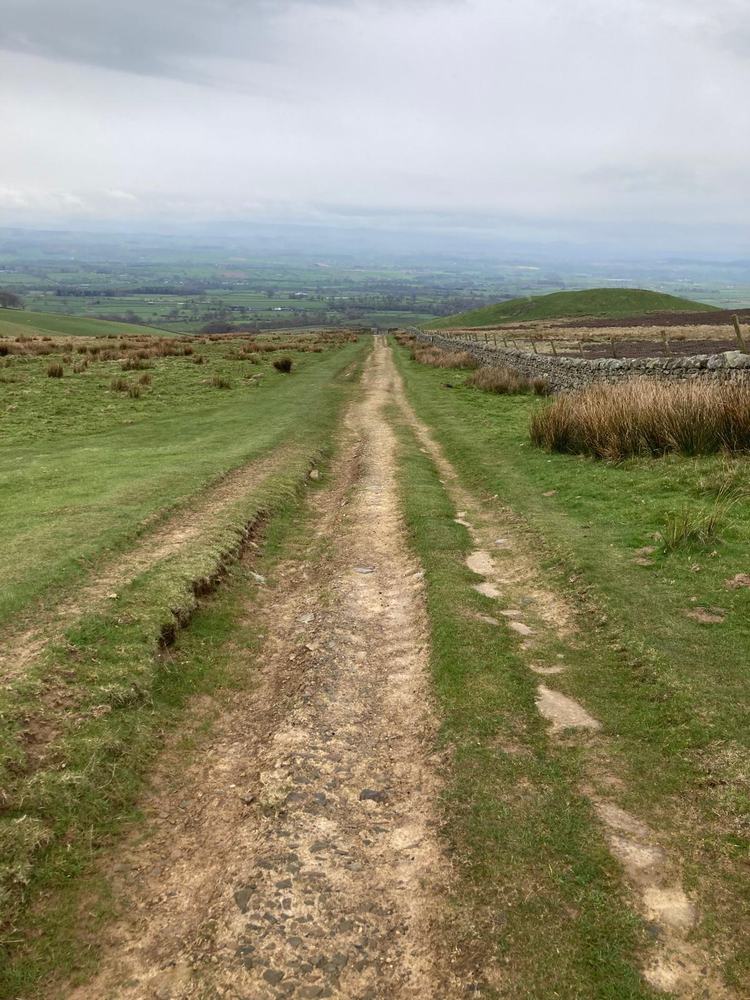
A site visit can reveal slopes, restricted access, existing concrete, buried services, slurry routes, working areas, livestock movements, drainage and other obstacles that a plan or satellite image simply doesn't show. The installation should respond to the farm, rather than forcing the farm around an unsuitable generic layout.
Where slurry is currently collected, what tanks or lagoons already exist, whether material can flow or be pumped effectively between the required points, what access large vehicles and cranes actually have, where the relevant electrical supply sits, where digestate will go after digestion, and what future development — new housing, herd expansion, additional tanks, further renewable generation — the farmer is already planning.
Useful information includes a farm plan, electricity bills, slurry storage information, herd numbers, housing periods, photographs, known underground services and existing planning drawings — though not having every answer shouldn't prevent the first visit, since part of the survey's purpose is identifying what still needs to be established.
The survey's findings feed directly into site understanding, then the proposed layout, then scope, equipment requirements, costing and programme — which is why the site survey is one of the most important early project stages, not a formality before the 'real' work starts.
Sources
Preparing a Farm for AD
From confirming scope through to a pre-delivery readiness check — the enabling works a farm needs completed before AD equipment can go in.
How Much Space Does AD Need?
There's no universal footprint — the digester itself is only part of the space needed once tanks, CHP, access and maintenance room are all accounted for.
Why AD Site Layout Matters
Where the plant sits affects pumping, pipework, electrical connections, access and future farm development — for years, not just on installation day.
Retrofitting AD Onto a Dairy Farm
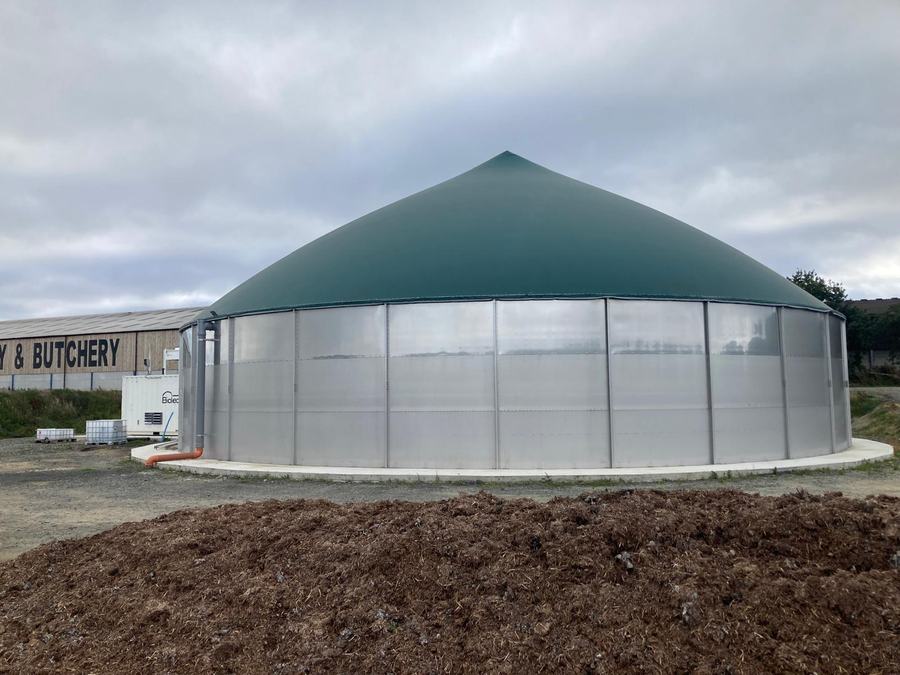
Adding AD to a working dairy farm is possible, but the plant has to integrate with slurry collection, tanks, buildings, roads and daily operation as they already exist.
Charlie Bell Building supports farm-scale anaerobic digestion installations from site preparation and groundworks through to equipment installation and commissioning support.